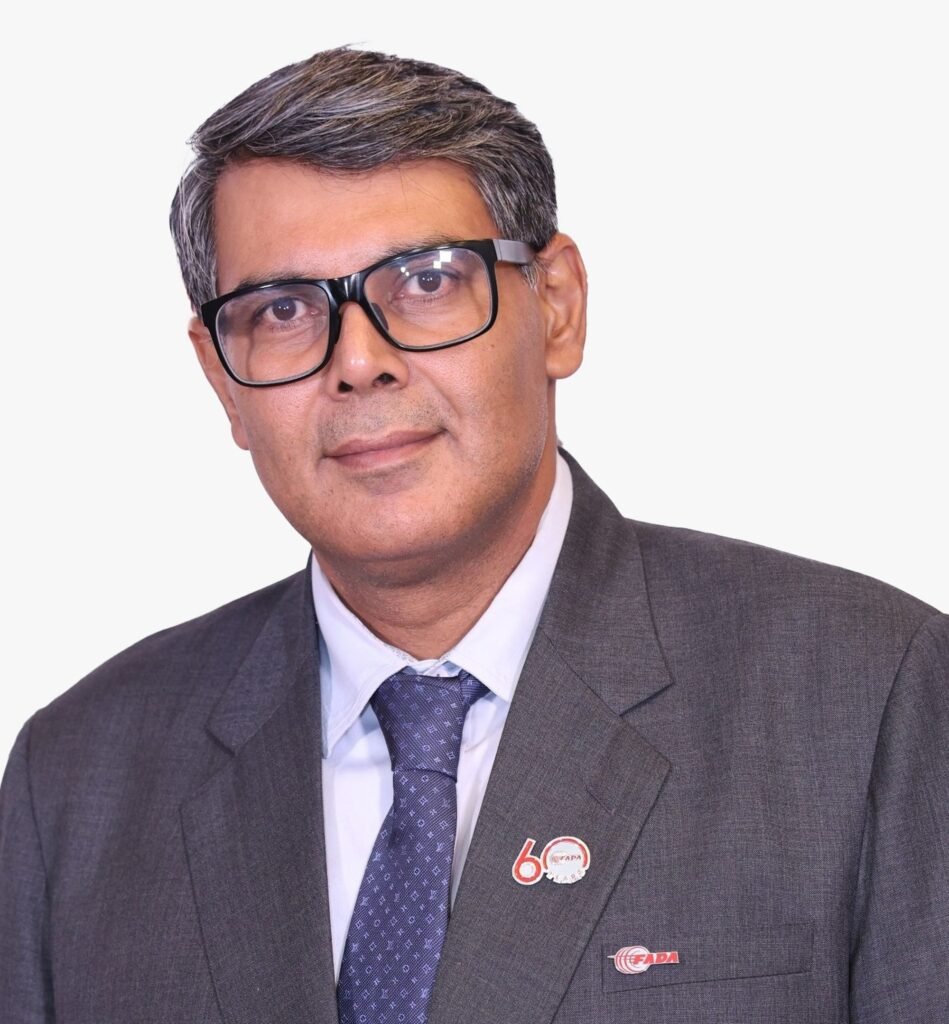
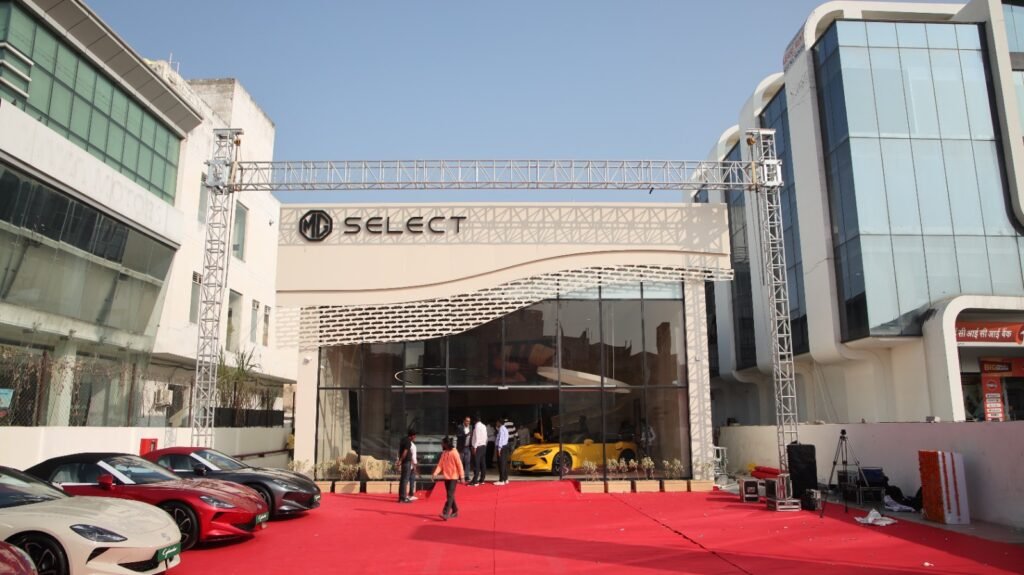
Mr. Sai Giridhar, Managing Director of Saisha Motors, which represents Skoda, Volvo Cars, JSW MG Motor and MG Select in Rajasthan, runs his car dealerships on a simple rule: charge customers only what he would charge a friend. He followed it for about 30 years. In an interview, he explained how this approach shaped everything from sales and supply to service, skills and social media.

He began his career at a dealership 31 years ago, later began his own business, and the one motto has not changed. “For us it is service from heart,” he said, and money comes second. He explained it with a story. “Suppose a friend calls at 10 or 12 at night with a punctured tyre, or a lost car key and no way home. Would the friend charge for helping? No. His team follows the same. But if the friend asks you to hand over a car and register it in his name, you would charge him, as everyone does. That is the line,” he said. Mr. Giridhar is originally from Delhi, yet Rajasthan has accepted him as a dealer, because the work is “more of a personal kind of a relationship.”
Daily Learning
Turning enquiries into selling cars, he said, is a daily job that changes by model and company. If enquiries are coming but sales are not, something is wrong. The offer may lack value. The salesperson may need training, may not be probing the customer’s needs, or may be pitching the wrong model or variant. “Every day you face new challenges,” he said and that is why work still feels fresh after 30 years. Brands also have good and bad times, so a dealer needs strong foundations, he opined.
Supply Gaps
Inventory is harder to manage than it was; it has gone from about 21 days to 40 or 45 days. Mr. Giridhar said there are times when even carmakers cannot supply the vehicles, and the answer is honesty. “Never give a booked customer false assurances,” he said, adding that if supply is disrupted, tell the customer so, and that it may take another week or 10 days. Financial discipline helps, too. Funds are easy to get, but a dealer must “follow the book to the core” so there is money for the stock he has promised.
On after-sales service, his one-line answer is accessibility: managers, general managers and service advisors are all reachable. Mistakes will happen, he said, and the key is to own them. “We need to have the guts to admit to the customer that we’ve done something which is wrong.” It is better to absorb the cost than to blame the customer or the carmaker, or to file unaccounted claims to cover a loss. The team learns from the loss and does not repeat it.
Rural Reach
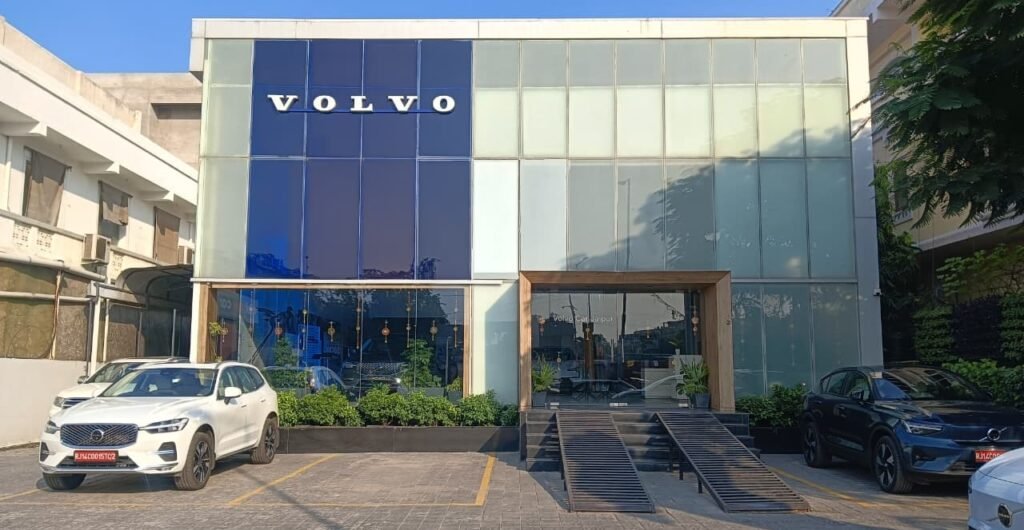
Volvo’s service centre is only in Jaipur, he said. The economics do not allow workshops across Rajasthan, and he does not cover cities like Udaipur or Jodhpur. So, his service team visits on fixed days, such as the second Saturday of the month, and customers know the roadmap. They should not need to travel 300 or 400 km for a basic service. Margins are thinner, he admitted, but happy customers help him compete with luxury brands that have local workshops. In small markets, word travels. A single bad service experience can undo a sale. In a small town, an owner who waited three months for a minor repair will warn his friends: “Don’t buy. Go for a brand with a local workshop.”
Online Voice
In an age when social media can make or break a reputation overnight, Mr. Giridhar said his dealerships do not fake compliments or push customers to post them. If a customer’s complaint is genuine, he said, the team leaves no stone unturned to win them back, whatever the cost. But if a warranty claim is rejected and the customer is at fault, a dealer has to put his foot down. Management is open, and every complaint is taken seriously, he added.
Skills Gap
Keeping up with technology depends on carmakers, he said. They set policies, audits, diagnostic tools and training, so dealers see their shortcomings before customers do. The electric transition is harder, which is “one of our biggest challenges,” he said. The company has tied up with Bharatiya Skill Development University in Jaipur, which gives full certification, not just a diploma. The dealerships take apprentices and hire those who are good, but still struggles for manpower. He preferred not to poach staff from fellow dealers.
Spare Parts
Spare parts are another trap, because slow-moving or dead stock quietly eats capital. Mr. Giridhar uses an outside agency that audits the workshop regularly and helps with ordering, so the shelves hold the bare minimum of dead stock and enough of what customers need.
Growth Plans
Does he have a ten-year plan? Not a fixed one. He has no target of opening ten more showrooms or adding ten more brands. But he will not shy away from opportunity. “If you keep on expanding, you keep on growing.” The stakes are big as more than 500 families depend on the business, he concluded.