Nissan has unveiled a bold long-term vision aimed at transforming itself into a smarter, more agile and customer-focused mobility company. With its new direction, titled “Mobility Intelligence for Everyday Life,” the company is moving beyond traditional automotive boundaries to integrate advanced technologies, electrification and digital intelligence into everyday mobility experiences.
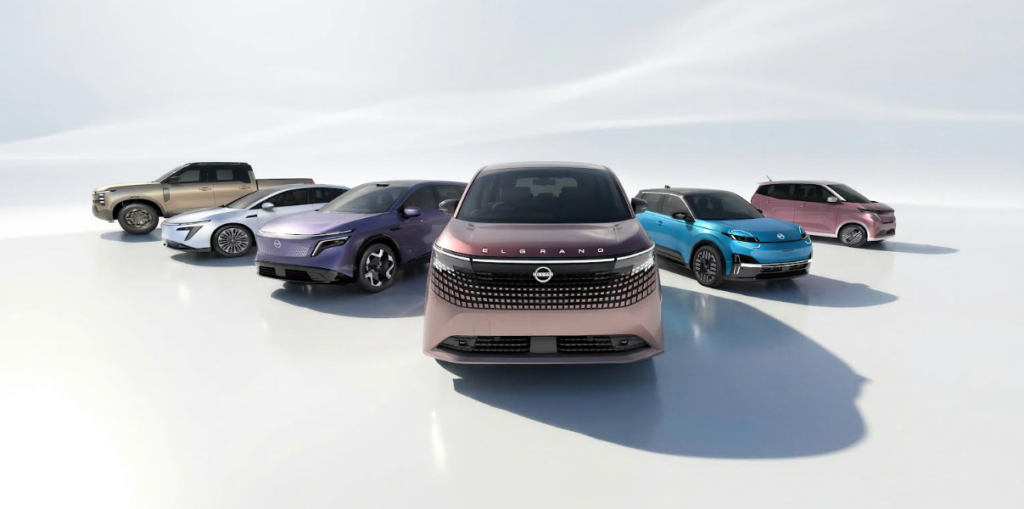
At the core of this vision is a clear shift in focus—from simply building vehicles to delivering a more intuitive, connected and value-driven customer experience. Nissan’s strategy reflects a broader transformation underway in the global automotive industry, where technology, software and user experience are becoming as important as engineering and performance.
A key pillar of this transformation is the development of AI-Defined Vehicles (AIDVs). Nissan plans to embed artificial intelligence deeply into its vehicles, combining AI-driven safety systems with intelligent in-car experiences. Technologies such as Nissan AI Drive and AI Partner are being designed to not only enhance driving safety but also make vehicles more responsive to everyday user needs. Over time, Nissan aims to deploy AI-driven capabilities across 90% of its product lineup, signalling a significant shift towards software-led mobility.
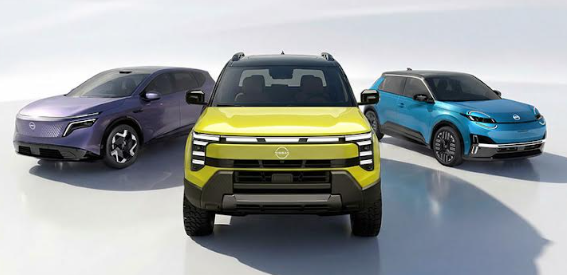
Electrification remains equally central to Nissan’s roadmap. Rather than following a one-size-fits-all approach, the company is adopting a diversified strategy that includes hybrid, plug-in hybrid, range-extender and fully electric powertrains. Its e-POWER technology is positioned as a key bridge, offering an electric-like driving experience without requiring external charging, while paving the way for broader EV adoption.
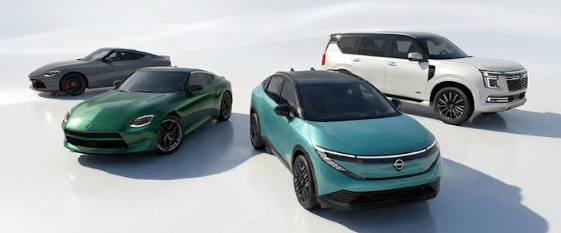
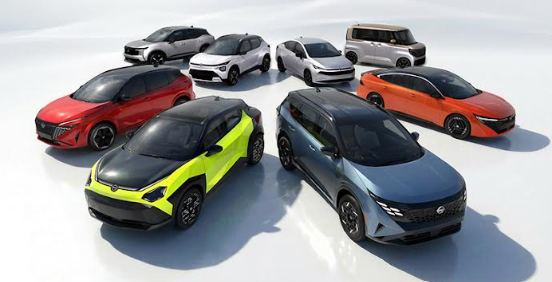
Alongside technology, Nissan is simplifying its product portfolio to improve efficiency and focus on growth. The company plans to reduce its global lineup from 56 models to 45, while clearly defining the role of each model—whether as a core volume driver, a growth-focused product, or a brand-defining flagship. This approach is expected to increase scale, improve cost efficiency and accelerate product development cycles.
Nissan is also rethinking how it builds vehicles. Moving towards an architecture-led development model, the company will focus on shared platforms, powertrains and software systems. This shift is expected to streamline manufacturing, enhance quality and enable faster rollout of new technologies across multiple models.
Geographically, Nissan is sharpening its global strategy by defining clear roles for its key markets—Japan, the US and China. While Japan will act as a technology hub, the US will drive scale and profitability, and China will serve as a centre for cost efficiency and export growth. At the same time, emerging markets such as India are being positioned as important contributors to future expansion, supporting the company’s broader global ambitions.
What stands out in Nissan’s vision is its strong emphasis on balance—between innovation and affordability, electrification and customer choice, global scale and local relevance. The company is not just preparing for the future of mobility, but actively reshaping its business model to stay competitive in a rapidly evolving landscape.
As Nissan moves forward, its success will depend on how effectively it can execute this transformation—blending advanced technologies with real-world usability, while keeping the customer at the centre of everything it does.