By Ravichandran Srinivasan
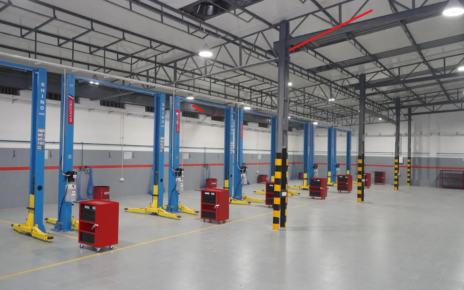
In the global automotive landscape, customer feedback is treated with maximum focus and addressed as a high-priority mission critical for retention. For a dealership, the workshop is the heart of this relationship, where every interaction is a “moment of truth”.
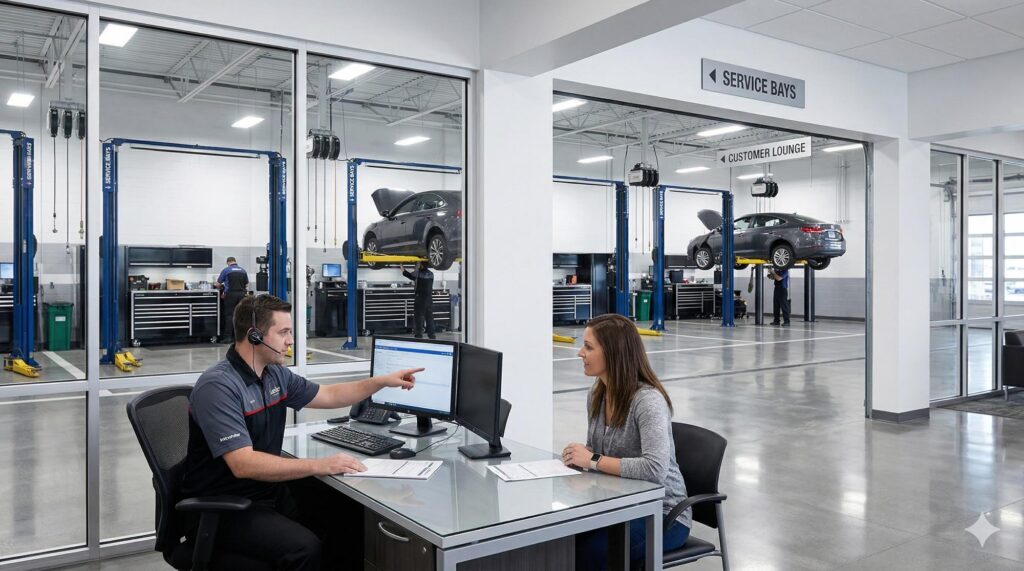
The Workshop Ecosystem: Precision and Personnel
A customer-centric dealership ensures that every vehicle is handled by a synchronized team. The Service Advisor first identifies the customer’s specific problems, which are then addressed by technicians under the watchful eye of a Floor Supervisor and Floor Controller. To guarantee quality, final inspections and road tests are mandatory before delivery.
The “Crack-Team” and Post-Service Follow-up
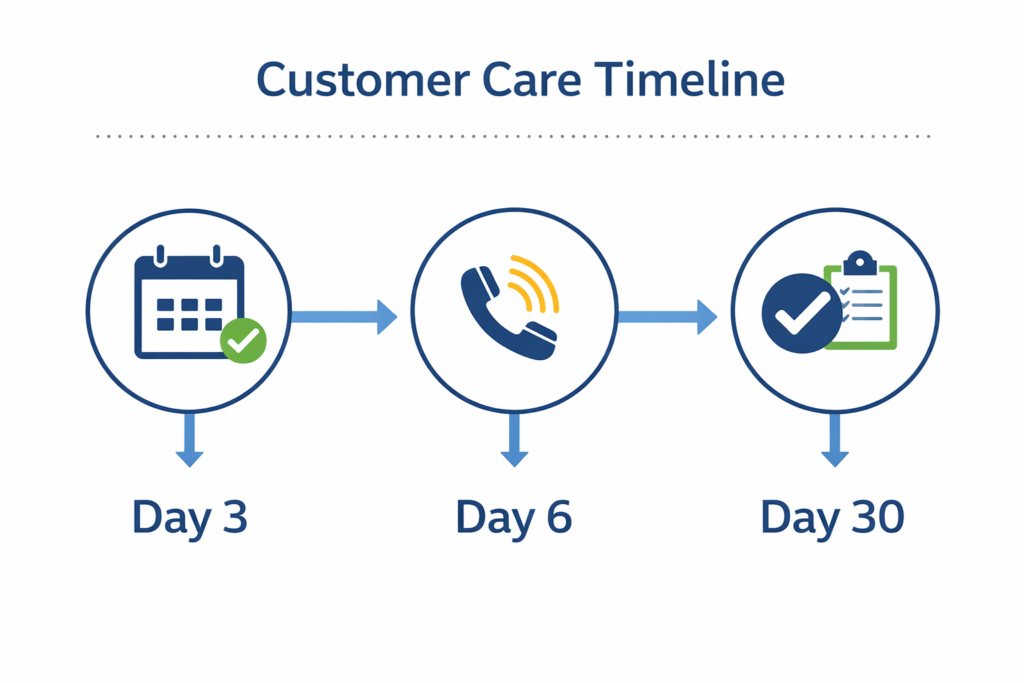
The relationship does not end when the car leaves the bay. Service Advisors conduct a follow-up within 3 -days. If a customer expresses dissatisfaction, the dealership’s “Crack-Team” immediately attends to the vehicle at the customer’s home or picks it up for the workshop
The Re-Visit Protocol: These jobs are categorized as “Re-Visits” in the Dealer Management System (DMS).
Verification: A job is only considered closed once a formal satisfaction letter is obtained from the customer.
The 30-Day Cycle: To foster long-term loyalty, the Customer Care Department repeats feedback calls on the 6th and 30th days post-service.
Escalation Paths and OEM Accountability
While dealerships strive to solve all issues internally, customers have the right to escalate problems to the Customer Care Manager or General Manager. If satisfaction is still not reached, the customer can contact the OEM directly via email or letter.
- Rapid Response: OEMs take these complaints seriously, ensuring attendance within 24 to 48 hours.
- Technical Support: For complex warranty or product issues, the OEM will even depute technical experts to the dealership.
- Metric-Driven Success: Success is measured by complaints per 10k vehicles serviced; if this exceeds regional averages, it triggers internal review
Benchmarking Excellence: The CSI and JD Power Factor
- Market leaders like Maruti-Suzuki use rigorous internal metrics, such as a 42-point feedback card administered by independent agencies. They pick 40 customers per quarter for detailed questionnaires to ensure their Customer Satisfaction Index (CSI) exceeds 900 out of 1000.
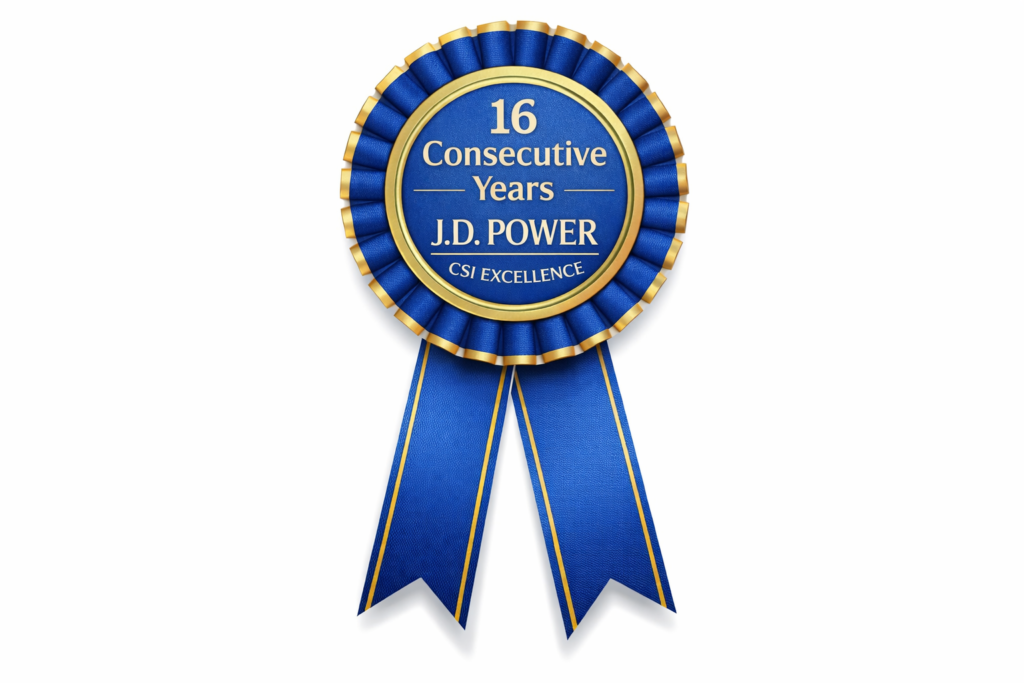
- This high benchmark forces leadership to lead from the front. Externally, the annual J.D. Power survey serves as the ultimate industry scorecard. Remarkably, Maruti-Suzuki has held the No. 1 position in the J.D. Power CSI survey for 16 consecutive years.
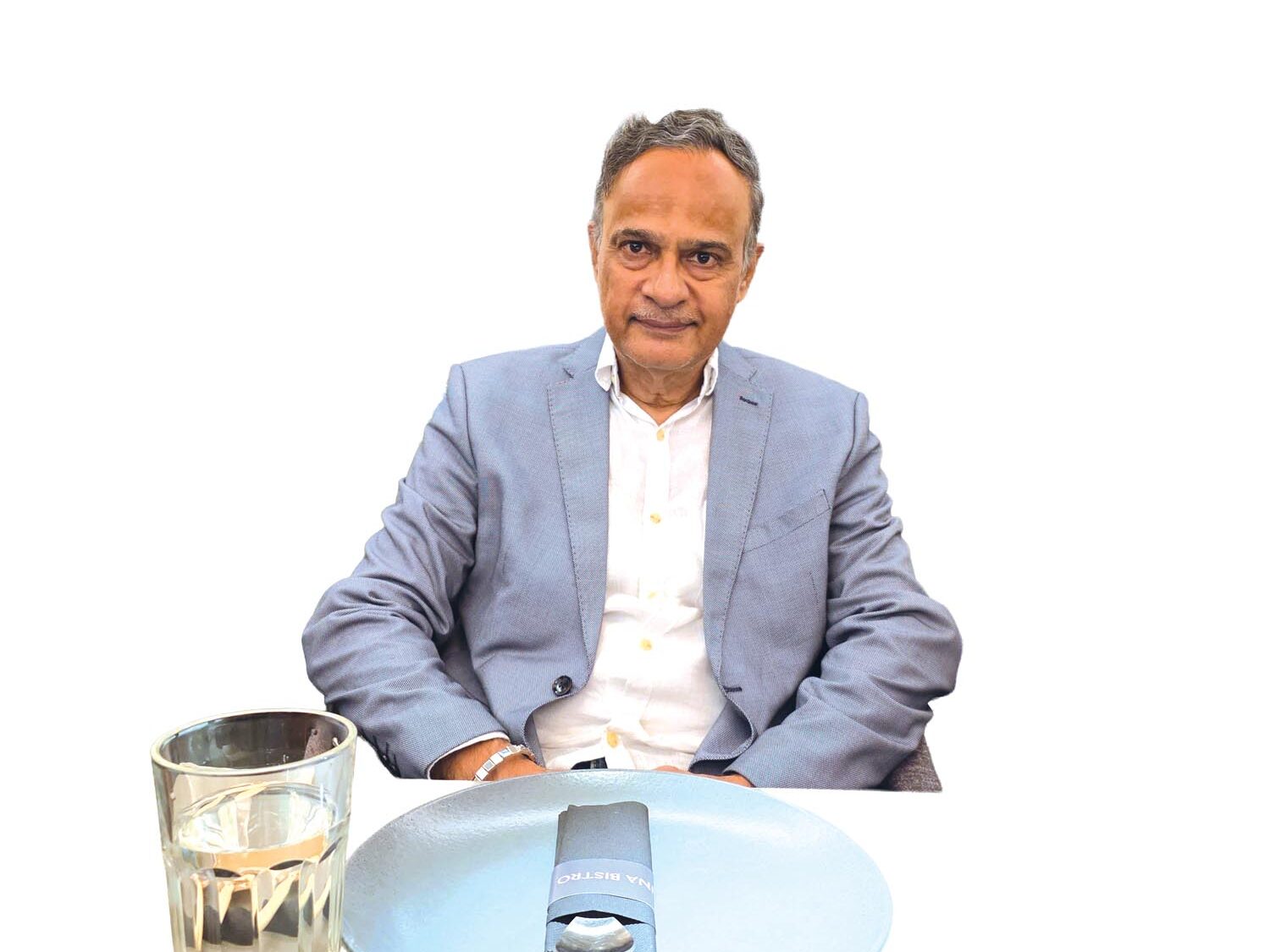
About the Author
With over four decades of experience across India and overseas markets, including a significant stint in Oman, Mr. Ravichandran Srinivasan brings deep expertise in process excellence, leadership, and team development. He has held senior roles at Maruti Suzuki Limited, culminating as General Manager, and has led large automotive dealership operations as COO/CEO, overseeing Sales, Service, Parts, and Used Car businesses. His international exposure and hands-on leadership across OEMs, distributors, and dealerships provide a comprehensive, results-driven perspective on the automotive ecosystem.