The Swedish commercial vehicle manufacturer is not trying to win India overnight. It is trying to get it right and then grow.
Scania Commercial Vehicles India is entering a new phase with the opening of a new office in Bengaluru. After years of muted visibility, the Swedish truck maker is rebuilding its business with a cautious but deliberate strategy centred on premium heavy trucks, higher fuel efficiency, phased localisation, partnerships and a stronger solutions-led pitch. But in a market already shaped by Tata Motors’ scale, BharatBenz’s industrial depth and Volvo’s entrenched premium presence, Scania’s challenge is not merely to return, but to turn revival into sustained relevance.
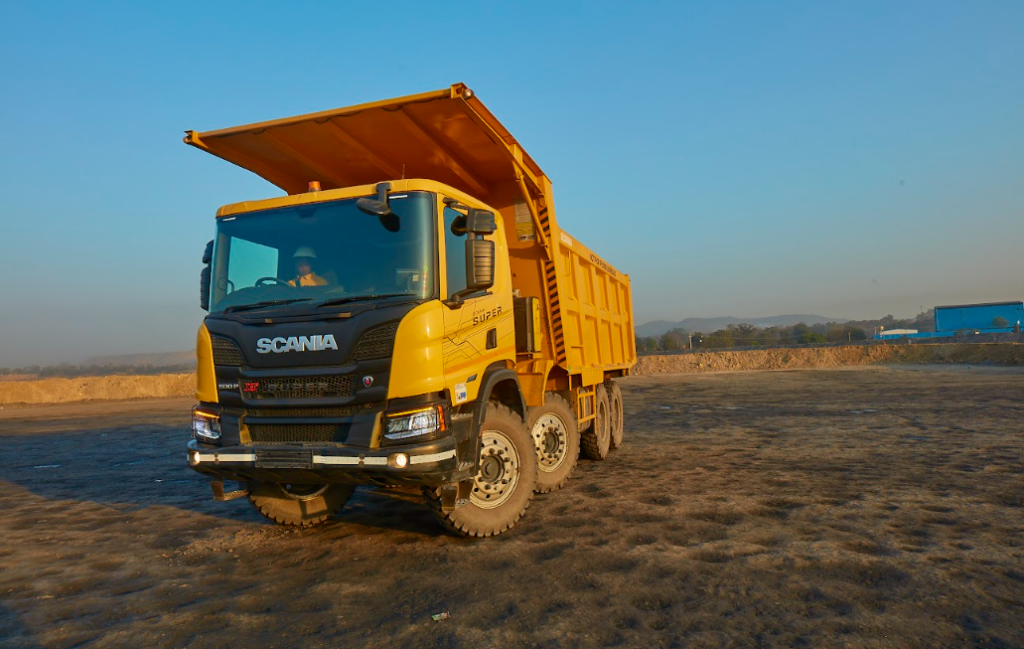
The confidence for Scania’s Indian entity is also fuelled by its parent company’s performance in CY25. Amid geopolitical turmoil, market uncertainty and currency headwinds, Scania delivered resilient results and maintained strong European market share. Though sales fell by 8%, orders for this fiscal rose 14%, reflecting strong customer confidence. Besides, it secured a 17.6% market share in the European heavy truck market in 2025, despite an overall market decline, supported by short lead times and strong customer response to the Scania Super powertrain.
Strategic milestones
During last year, the global OEM also simplified its organisational structure to reflect changing market conditions. The company continued to invest in electrification, charging solutions and industrial capabilities and strengthened its presence with a new plant in China, an important market for long-term growth and innovation. Another milestone was the launch of the TRATON Group-wide R&D organisation, enabling faster innovation while staying close to evolving customer needs. Now, it is the turn for Scania Commercial Vehicles India, beginning with a new office designed around the Scania Way and Swedish open work culture with 46 people to start with.
Strategic Restart
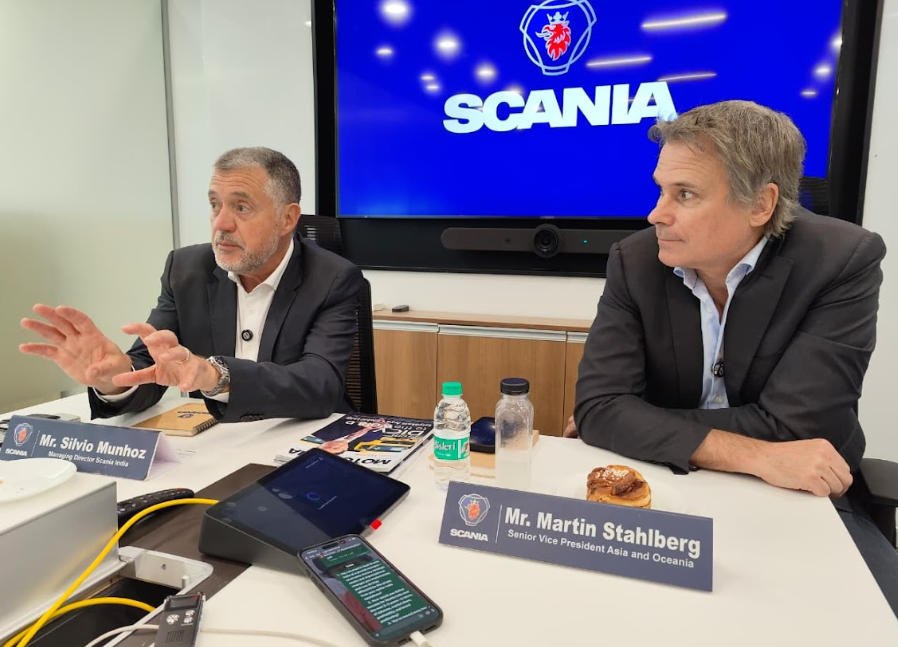
Mr. Silvio Munhoz, Managing Director, Scania Commercial Vehicles India, said the company’s journey in India is not new—but this phase is different. After stepping back from its earlier focus on bus body manufacturing, it paused to rethink its role. In 2023, a clear decision was made: India has become so significant—economically, strategically, and as a market—that a company cannot afford to stay away from it or treat it lightly. This restart is about returning with purpose—expanding beyond mining, bringing in modern, efficient products, and learning from the market to build solutions that truly fit India’s needs.
Structured India Speed
According to Mr. Martin Stahlberg, EVP, Regional Director AOR Commercial Operations, Region Asia & Oceania, Scania Singapore, the company wants to grow beyond coal and take a bigger role in mining, using its global strength in technology and quality as a base. But instead of rushing, the focus is on moving at a “structured India speed” — building a strong, sustainable foundation with customers at the centre.
Beyond Truck Sales
Scania’s focus in India is shifting from just selling trucks to delivering complete solutions. The idea is to help customers earn more while spending less. From improving driver behaviour and fuel efficiency to reducing breakdowns and ensuring timely service, the aim is to maximise uptime and reliability.
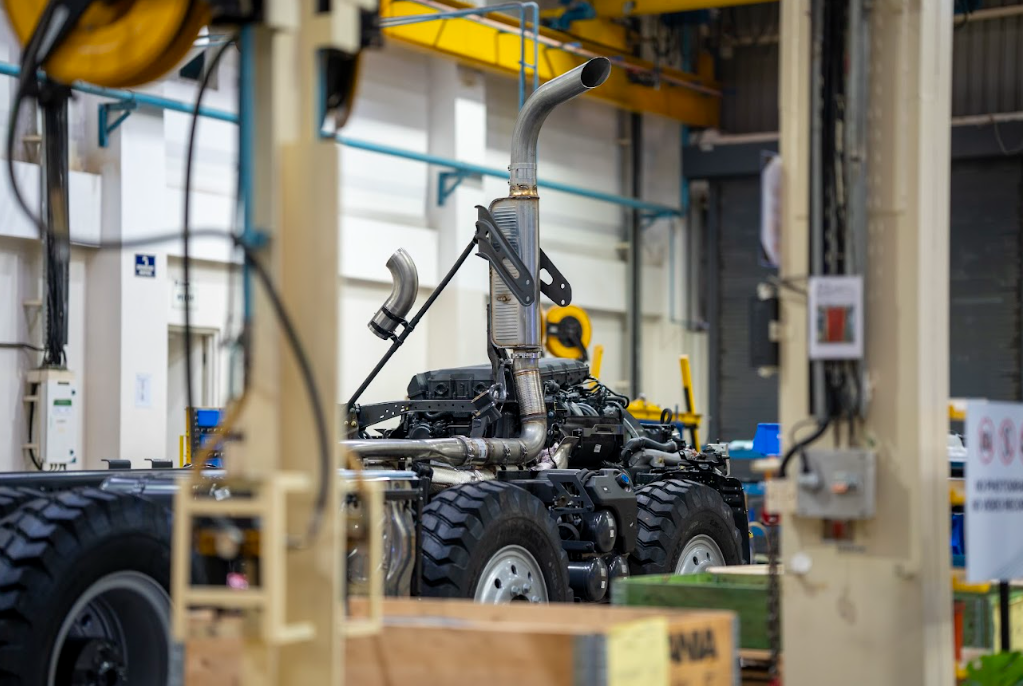
In a fast-moving market driven by e-commerce and tight delivery timelines, performance matters more than ever. A single breakdown can impact business and trust. That is why the company is focusing on building strong partnerships, local service support, and dependable operations—turning trucks into long-term business partners for customers, Mr. Stahlberg noted.
Focused Growth Path
Scania’s plan in India, according to Mr. Munhoz, is to grow where it makes sense. Instead of chasing the mass market, the company is focusing on niche segments like mining and relevant fast-growing areas such as e-commerce, where it can deliver better profitability and performance. The approach, according to him, is practical. In mining, service will continue at site, close to operations. As it moves into on-road logistics, the truck manufacturer will adapt — not by building large dealership networks, but by taking service directly to customers.
For large fleet operators, uptime is everything. Trucks cannot afford to stop. Therefore, it plans to service vehicles during loading and unloading, keeping them on the road as much as possible. The strategy is to build a high-productivity model — one that supports customers where they are and keeps their business moving.
Purpose Over Speed
Scania is starting a new journey in India — not with speed, but with direction. Instead of chasing quick volumes, the company is choosing a path that is slower but stronger, working closely with local partners and focusing on long-term success.
According to Mr. Stahlberg, “India is not one market — it is many; different regions, different customers, different needs.” This is why Scania is relying on trusted local dealers who understand the ground reality and already have strong customer relationships, forming the foundation for growth. At the same time, the company is expanding in a phased manner. In line with this strategy, the company has recently expanded its touchpoints by appointing a couple of the dealers. Today, the focus is on mining, with plans to gradually move into construction and then into on-road applications. It is not about doing everything at once, but doing the right things well.
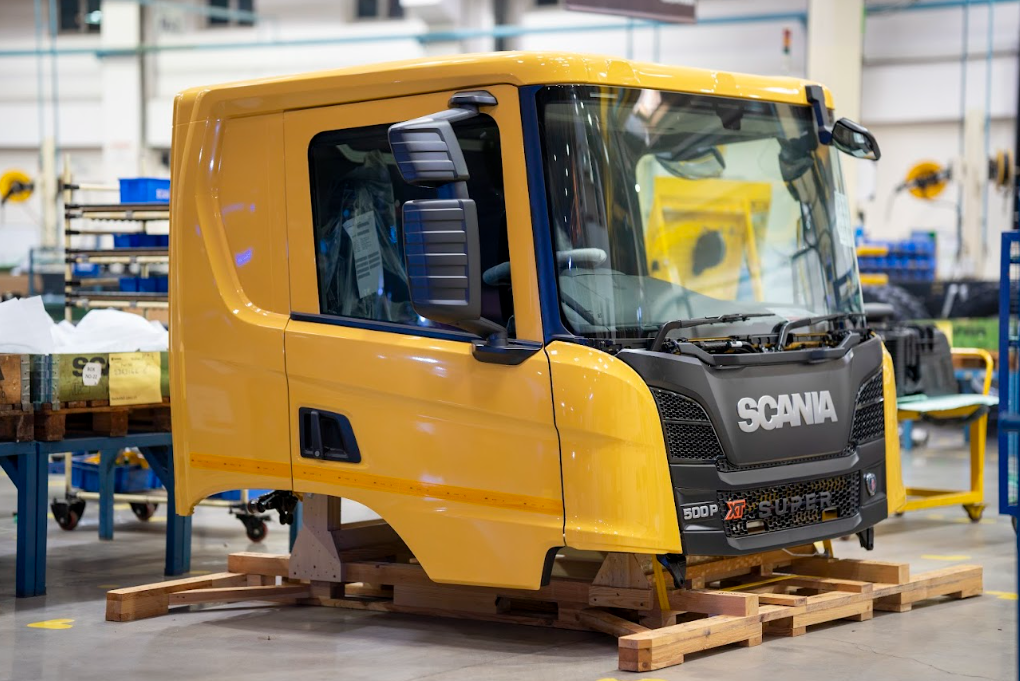
Behind this strategy is a strong belief in India’s potential. Mr Munhoz said the company sees India as one of its most important growth markets, supported by rising infrastructure, digital strength, and a growing need for efficient logistics. India is also closely connected to Scania’s global operations — from supplying components to supporting software development — even if this role is not widely known.
For now, volumes remain low, and the plant in Bengaluru has more capacity than what is being used, with utilisation at around 20%. But that is part of the plan — to build the base first, and scale when the time is right. The truck maker hopes to utilise its full capacity in less than five years. In many ways, this is a quiet restart. No big rush, no loud promises. Just a clear direction, Mr. Munhoz highlighted.
Sustainable Growth Path
Scania’s approach in India may look cautious, but it is a deliberate choice to grow sustainably, Mr. Stahlberg said. The focus is on building trust, delivering on promises, and creating a strong local foundation with partners. The company believes visible results will come over the next five years, supported by expansion in customer base, network, and localisation.
At the same time, it wants to play an active role in shaping India’s transport future. Beyond trucks, it is looking at connectivity, digitalisation and system-level efficiency to improve logistics. The aim is to not just participate, but to grow alongside India’s evolving mobility ecosystem.
Local Meets Global
Scania’s global network is designed to work together, with its China plant and R&D centre supporting the entire Asian region, including India. The idea is to build global strength while staying close to local needs. As Scania grows in India, its plans will evolve based on market response, combining global expertise with local insight to develop relevant solutions.
Shift To Value
As India evolves from price-focused to value-driven buying, Scania sees this as the right moment to grow. The company is helping customers think beyond upfront cost—towards efficiency, proper maintenance and strong resale value. For the vehicle maker, this shift is not just an opportunity, but a responsibility to guide customers towards more sustainable and profitable operations, Mr. Munhoz noted.
Super Powertrain
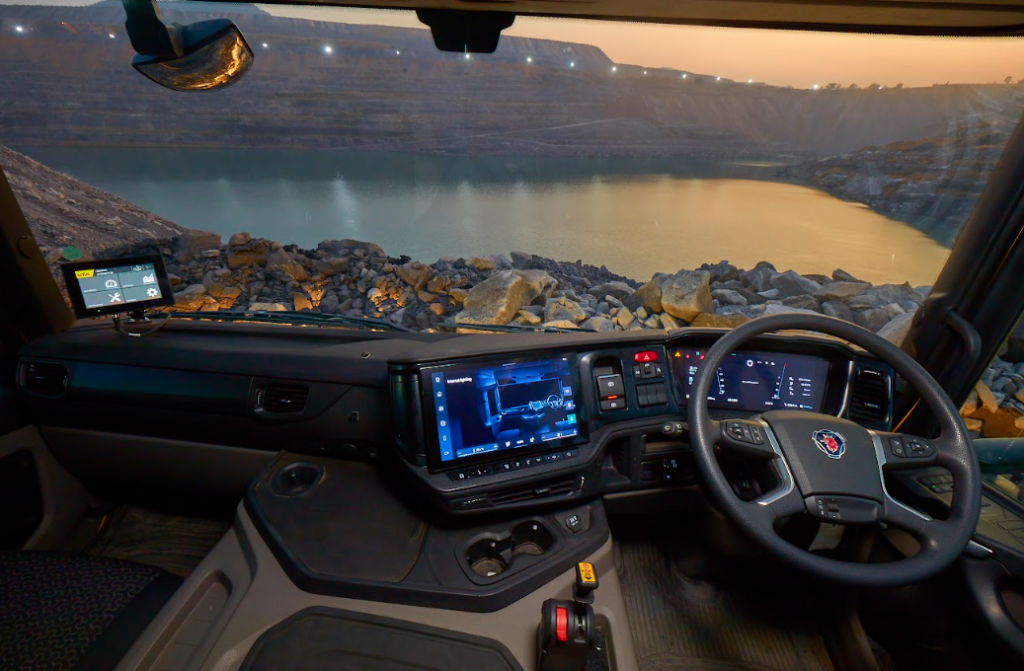
The truck manufacturer has introduced ‘Scania Super,’ built as a fully optimised combustion powertrain where the engine, gearbox, axles, chassis and control systems work together to deliver improved efficiency, performance and reliability. Mr. Stahlberg sees an opportunity to introduce this concept in India as the market rapidly matures to adopt efficient and sustainable technologies.
Green Sourcing Push
Sustainability is becoming a bigger focus for Scania, with growing interest in green steel and green castings. The company is actively exploring sourcing options globally, including India, while also investing in cleaner production through its own modern, green foundry. Sweden will have a biggest facility to make green materials. “The interesting part is that a company led by one of the former MDs of Scania is setting up green steel mine up in the North. It would be up and running within two years. We promised an order to source green steel. And at the same time we are looking for a green steel bank worldwide as well, including India,” he added.