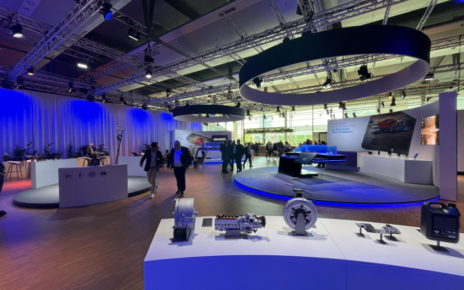
As artificial intelligence deployment, global regulations, and net-zero goals accelerate, the automotive industry is navigating a monumental shift. The ecosystem is rapidly transitioning from traditional hardware manufacturing toward AI-driven innovation and software-defined vehicles. This transformation was the focal point of the 360° Mobility Forum, the cornerstone event of Taiwan’s 360° Mobility Mega Show, an exhibition encompassing Taipei AMPA, E-mobility Taiwan, and Autotronics Taipei.
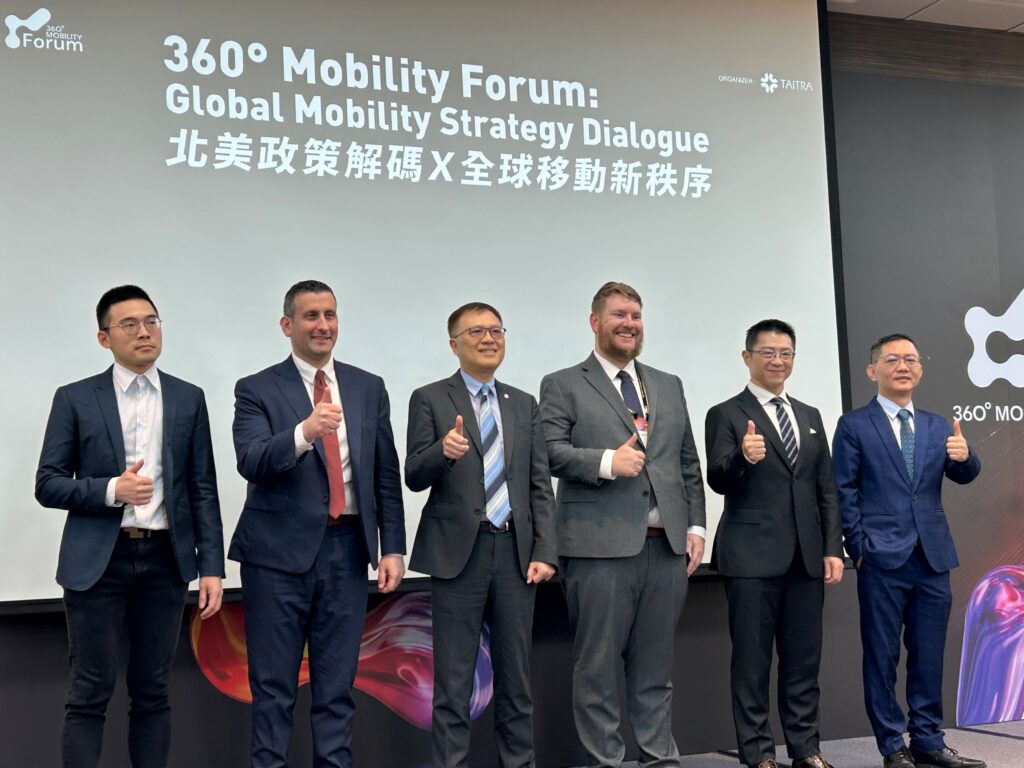
Bringing together global leaders across policy, technology, and industry practice, the morning sessions highlighted how the industry can adapt to complex market demands, secure trusted supply chains, and build the infrastructure of tomorrow.
The New Definition of Mobility and Taiwan’s Strategic Role
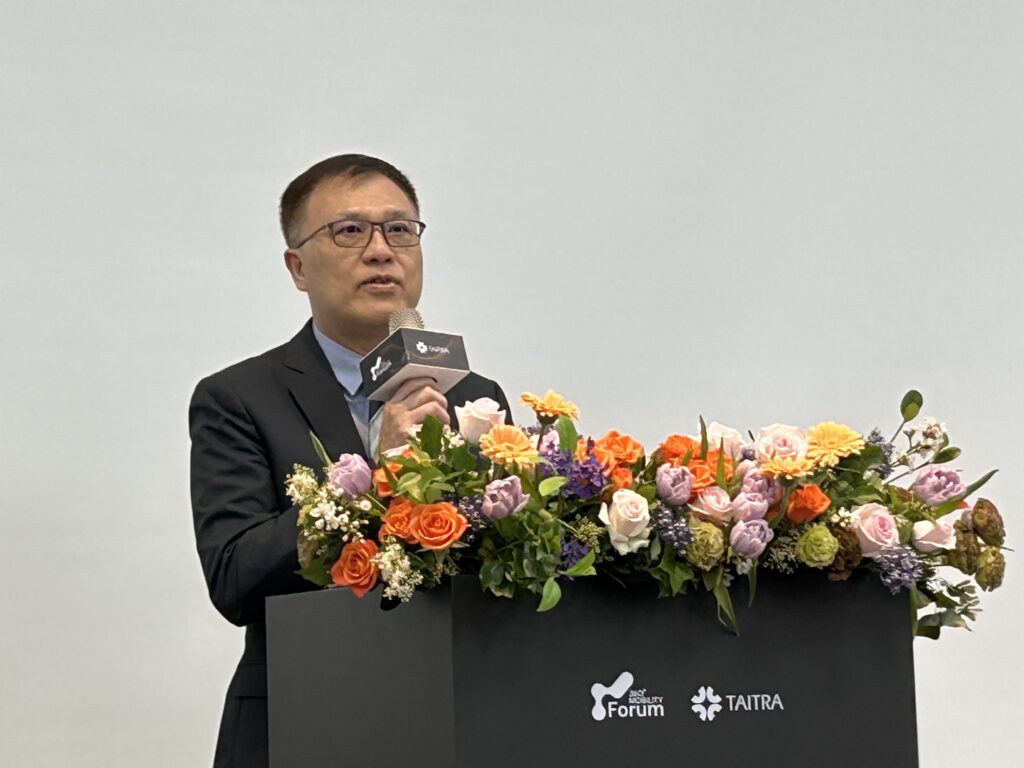
The forum opened by emphasizing Taiwan’s foundational role in the next generation of intelligent mobility. Drawing on deep strengths in semiconductors, ICT, display technology, and advanced manufacturing, Taiwan is uniquely positioned to support global automakers. However, industry leaders stressed that technological superiority alone is no longer enough; ecosystem connections and cybersecurity governance are paramount.
“Mobility today is no longer only about moving people or goods from one place to another. Today, mobility is about intelligence, safety, trust, user experience, and sustainability. In this environment, success is not only about having strong technology. It is also about becoming a trusted long-term partner in the global supply and value chain,” said Joe Chou, Executive Vice President, Taiwan External Trade Development Council (TAITRA).
Navigating the U.S. Market: Digital Infrastructure and Outcomes-Based Procurement
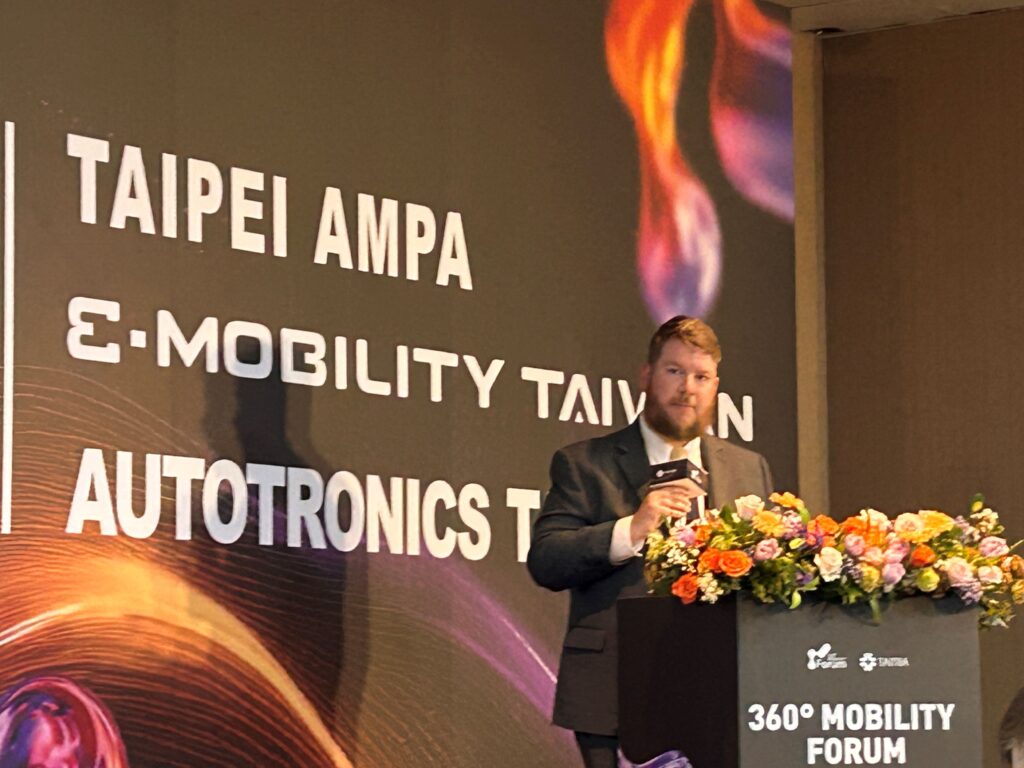
Understanding regional market dynamics is critical for international expansion. In the United States, transportation infrastructure is undergoing a massive shift, moving away from merely purchasing physical assets like roads and signals, and toward investing in “digital infrastructure” and system-level outcomes.
Furthermore, U.S. technology adoption is highly decentralized, with state and local agencies making the ultimate deployment decisions based on whether a technology can demonstrably improve safety and efficiency. For Taiwanese firms, success in the U.S. requires shifting from a component-supplier mindset to becoming a lifecycle integration partner that can navigate stringent security and “Buy America” requirements.
“When transportation becomes more digital, the competitive advantage often shifts towards companies that understand communications, system integration, and lifecycle technology management, areas where Taiwan has very strong capabilities. Ultimately, that digital capability is becoming a core part of how the transportation system delivers performance,” stated Bobby McCurdy, Vice President, Policy and Advocacy, ITS America.
Global Convergence: Ontario’s End-to-End EV Vision
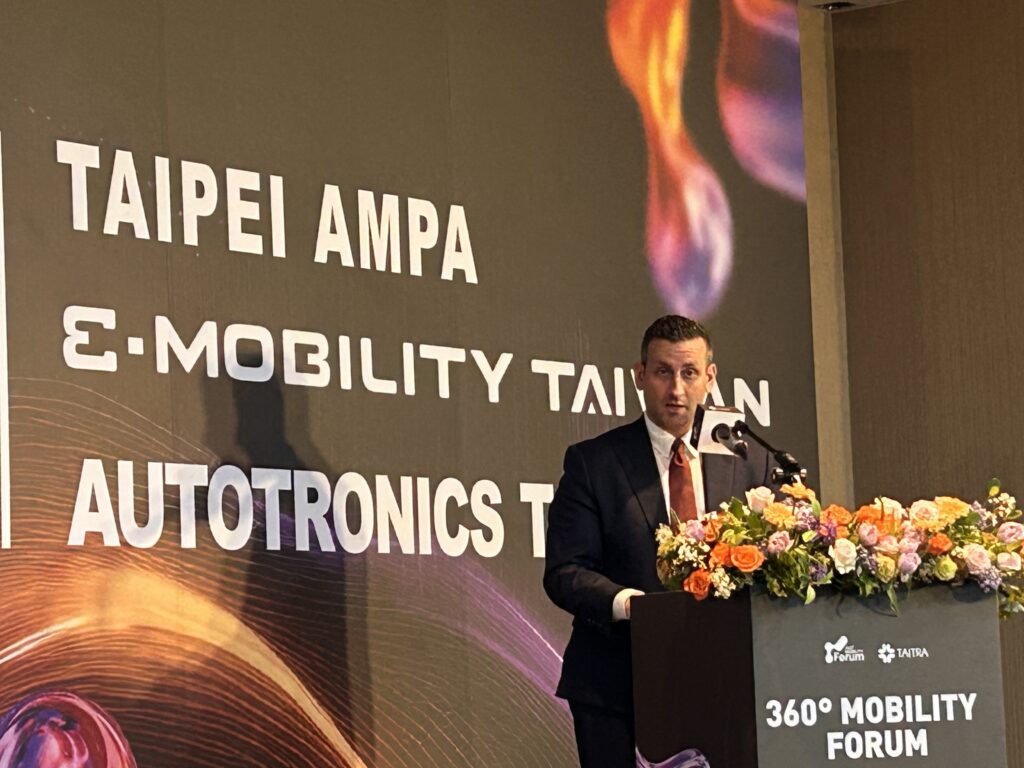
The evolution of the automotive sector also relies heavily on raw materials and specialized regional ecosystems. Ontario, Canada, is positioning itself as a global powerhouse by merging its century-old automotive manufacturing legacy with an abundance of critical minerals, such as nickel, cobalt, and copper, found in regions like the Ring of Fire.
Through the Ontario Vehicle Innovation Network (OVIN), the province has established an end-to-end EV battery supply chain, attracting over $46 billion in recent automotive investments. By linking local tech incubators with global automakers, OVIN is bridging the gap between raw manufacturing and next-generation smart mobility.
“In this current landscape, only the regions that can bring together their automotive and manufacturing strengths with groundbreaking technologies, and of course the natural resources, will be positioned to lead. This purposeful convergence of competitive advantages has propelled us to lead the global automotive sector,” noted Raed Kadri, Head of the Ontario Vehicle Innovation Network (OVIN).
Industry Transformation: From “Screen to Scene”
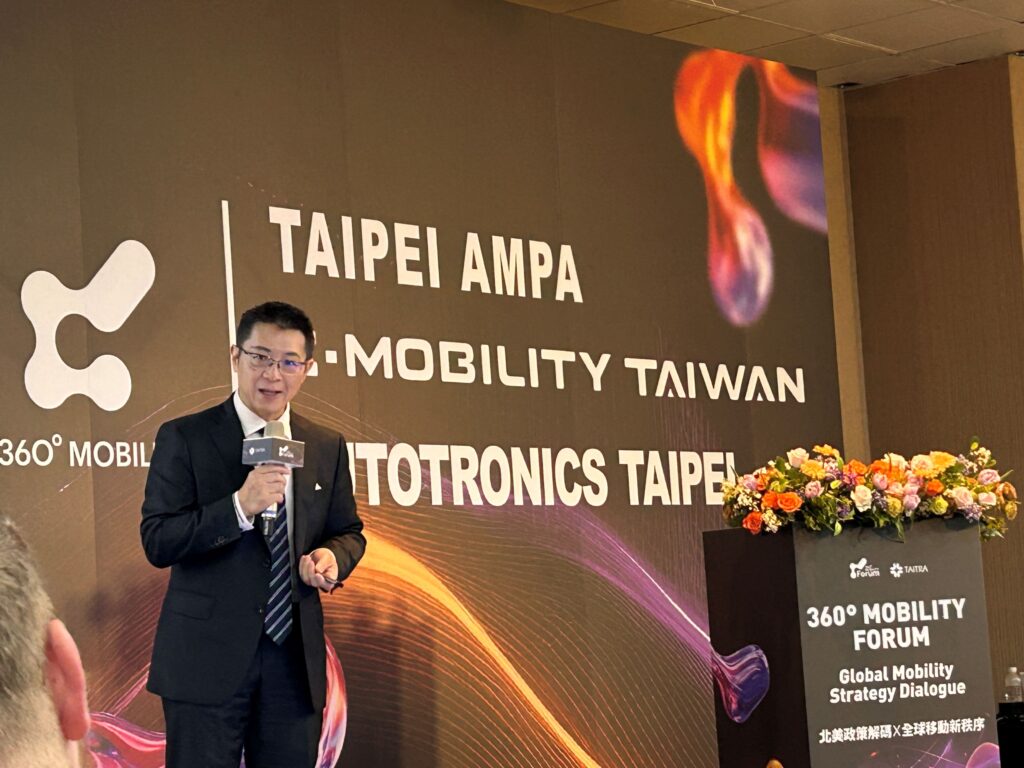
A practical example of this industry-wide evolution was presented by Jin-Yang Hung, Chairman and CEO of Innolux. Moving away from the highly commoditized and cyclical traditional panel-making market, Innolux has aggressively restructured to become a Tier-1 smart cockpit solution provider.
By anticipating the era of Level 4 and Level 5 autonomous driving, Innolux views the vehicle interior as a “third space” outside the home and office. To capitalize on this, they launched the subsidiary CarUX and acquired the legacy Japanese audio company Pioneer. This move allows them to integrate complex sensor data, software, and immersive audio-visual displays into a single ecosystem. Furthermore, Innolux is leveraging its legacy manufacturing plants for advanced Fan-out Panel-Level Packaging (FOPLP), an innovation poised to drastically reduce IC costs and support the massive computing power required for AI-driven mobility.