Doubling industry participation while accelerating electrification, skills and global collaboration
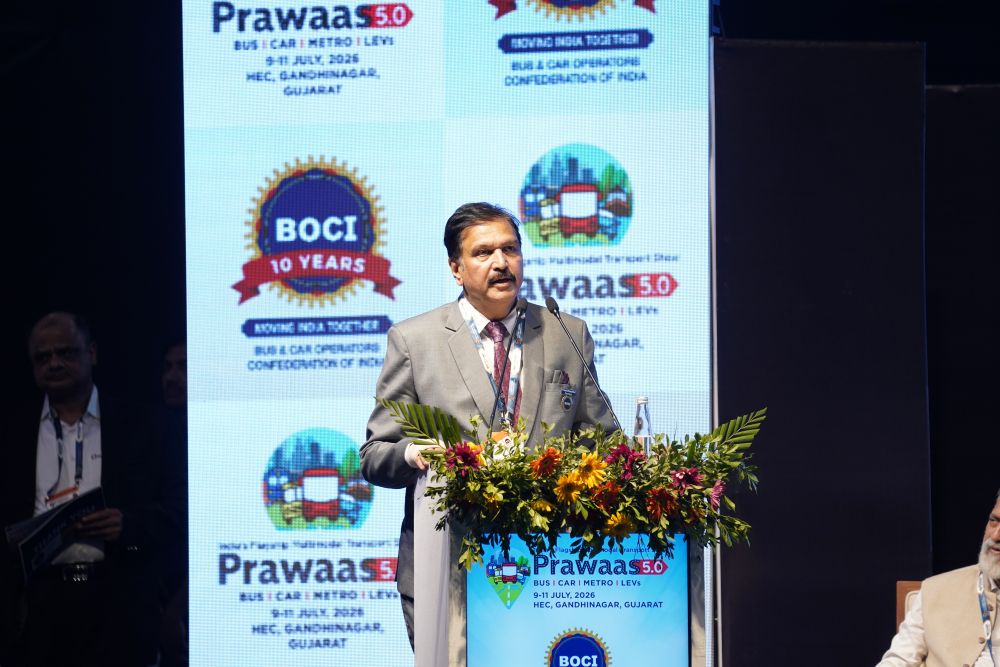
Following the highly successful Prawaas 5.0 in Gandhinagar, we spoke to Mr. Prasanna Patwardhan, President, BOCI, on the event’s record turnout, the association’s next priorities, and how it plans to accelerate India’s public mobility ecosystem through driver training, women empowerment and international collaborations.
The Indian bus and public mobility sector is entering a defining decade where electrification, skill development and industry collaboration will shape its future. According to Mr. Prasanna Patwardhan, President, BOCI, the overwhelming success of Prawaas 5.0 reflects the growing momentum within the industry and reinforces the association’s commitment to making public transport more attractive, efficient and future ready.
The landmark event, which also marked BOCI’s 10th anniversary, witnessed an unprecedented response from across the ecosystem.
“The biggest surprise for us was the participation. More than 20,000 visitors, delegates, operators, exhibitors and stakeholders attended Prawaas 5.0, almost double compared to previous editions,” said Mr. Patwardhan. “It clearly shows that the industry is ready to embrace change and collaborate for the future.”
Accelerating electric mobility and strengthening driver skills
For BOCI, the primary objective remains unchanged, encouraging greater adoption of public transport while supporting the industry’s transition towards cleaner mobility solutions.
Mr. Patwardhan believes private bus operators will increasingly shift from diesel to electric mobility over the coming years as technology matures and adoption accelerates across the sector. However, he emphasised that technology alone cannot transform the industry without investing in the people who operate it.
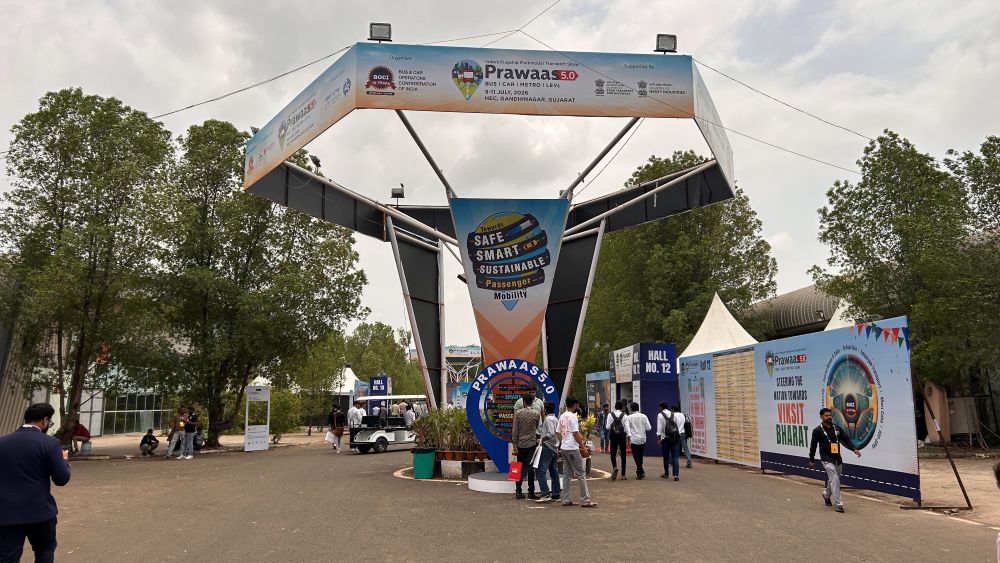
“Public transport will grow only when we make it safer, more sustainable, more aspirational and better connected,” shared Mr. Patwardhan.
To strengthen this foundation, BOCI has launched one of its most ambitious driver development initiatives. During the current year, the association plans to organise driver training programmes along with health camps across 22 cities, targeting at least 100 drivers in each location as the first step towards building a stronger culture of safety and professionalism.
“This is only the beginning. The numbers may appear small compared to the industry’s overall workforce, but every meaningful transformation starts somewhere, and we intend to continue expanding these initiatives,” he added.
Building a stronger mobility ecosystem
Another defining feature of Prawaas 5.0 was the wider participation of OEMs, policymakers, technology companies and emerging mobility startups. According to Mr. Patwardhan, digital platforms and online aggregators have already demonstrated how technology can increase public transport adoption by making travel more accessible and convenient.
He believes stronger collaboration between transport operators, technology providers and startups will continue attracting more passengers while improving service quality and operational efficiency across the country.
As Indian cities face rising congestion and pollution, he sees public transport playing an even greater role in providing sustainable mobility solutions across buses, taxis and first- and last-mile connectivity.
Expanding India’s global mobility footprint
Looking beyond domestic growth, BOCI is also working to strengthen India’s position in the global bus industry. The association is encouraging OEMs to invite fleet operators from neighbouring and international markets to future editions of Prawaas, allowing them to experience Indian buses and technologies firsthand.
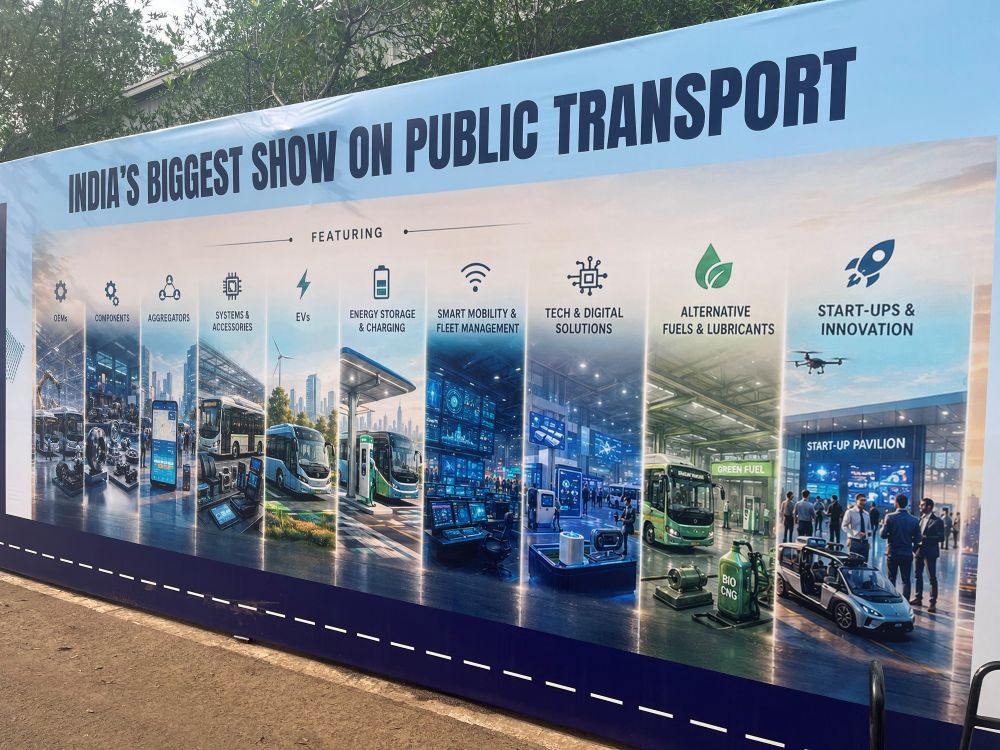
Mr. Patwardhan believes such initiatives can significantly enhance export opportunities by exposing overseas operators to the breadth of products available from Indian manufacturers.
At the same time, BOCI will continue facilitating international exposure for Indian operators by connecting them with leading global exhibitions and industry platforms.
The association is also expanding its inclusivity initiatives. Through BOCI Nari, the organisation aims to increase women owner-operators from the current 24 members to at least 100 within the year while promoting women drivers, women employees and entrepreneurship across the passenger transport ecosystem. Similar efforts are being strengthened through BOCI Youth to encourage greater participation from the next generation of industry leaders.
Looking ahead to Prawaas 6.0 and beyond, Mr. Patwardhan believes collaboration, skill development, international engagement and inclusive growth will remain the pillars of BOCI’s vision, ensuring India’s public transport sector continues evolving into a safer, greener and globally competitive mobility ecosystem.