As intercity bus travel grows into a mainstream choice for Indian passengers, FlixBus has detailed the safety framework, operating protocols, and oversight measures that govern its services across the country. The global travel-tech platform, which now operates across more than 330 cities in partnership with over 60 regional fleet operators, shared the measures as part of its ongoing #HarSafarSafer commitment.
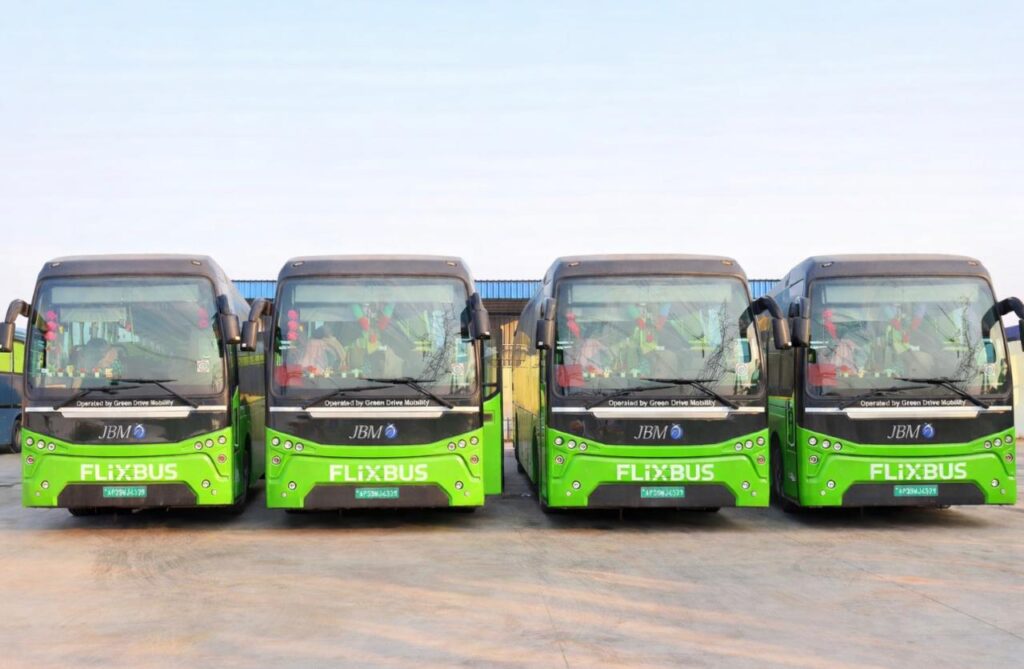
On the vehicle side, every bus operating under the FlixBus brand in India is BS-VI compliant, with the fleet’s average age kept below 1.5 years. Most buses are equipped with ABS, electronic stability control, ADAS, lane departure warning, and emergency brake assist, and carry three-point seatbelts at every seat. Before each departure, buses go through a multi-point inspection of more than 15 checks, recorded centrally rather than self-certified by operators. Drivers undergo breathalyser checks before departure from designated hubs, and buses carry fire extinguishers and emergency glass-breaking hammers. Newer eligible vehicles are also fitted with fire detection and suppression systems.
Every journey is staffed by a trained, uniformed on-bus host, and all crew members undergo background verification through an independent third-party agency before being deployed. FlixBus has partnered with the Value Life Foundation to deliver a specialised training programme covering emergency first response, CPR and AED usage, fire safety, evacuation procedures, and crisis communication. The company is also planning to certify internal field coordinators as trainers to scale the programme across the network. Gender-based seating is a standard feature on all journeys, and a dedicated 24/7 customer support team is available to passengers throughout their travel.
Operator accountability is maintained through GPS-based fleet tracking, AI-enabled dashcams, and driver monitoring systems installed across the network to detect fatigue and distraction. These are monitored around the clock through FlixBus’s Traffic Control Centre and incident response team. Each operator partner is onboarded against the company’s safety standards before being allowed to operate any route, with compliance monitored on an ongoing basis.
The same standards apply to FlixBus’s electric intercity fleet, with no separate or reduced benchmark for EV operations. The company currently runs electric coaches on the Hyderabad–Vijayawada and Vijayawada–Visakhapatnam corridors, and has signed an MoU with Vertelo to support the deployment of up to 500 electric intercity buses across India in the coming years.
Mr. Surya Khurana, Managing Director of FlixBus India, said every bus carrying the FlixBus brand is held to the same standard regardless of which operator runs it, and that consistency is not an add-on to the journey but the journey itself. He added that travellers are owed clarity on what they can expect, and that the standards FlixBus is setting out should serve as a baseline for the broader sector as intercity bus travel continues to scale.