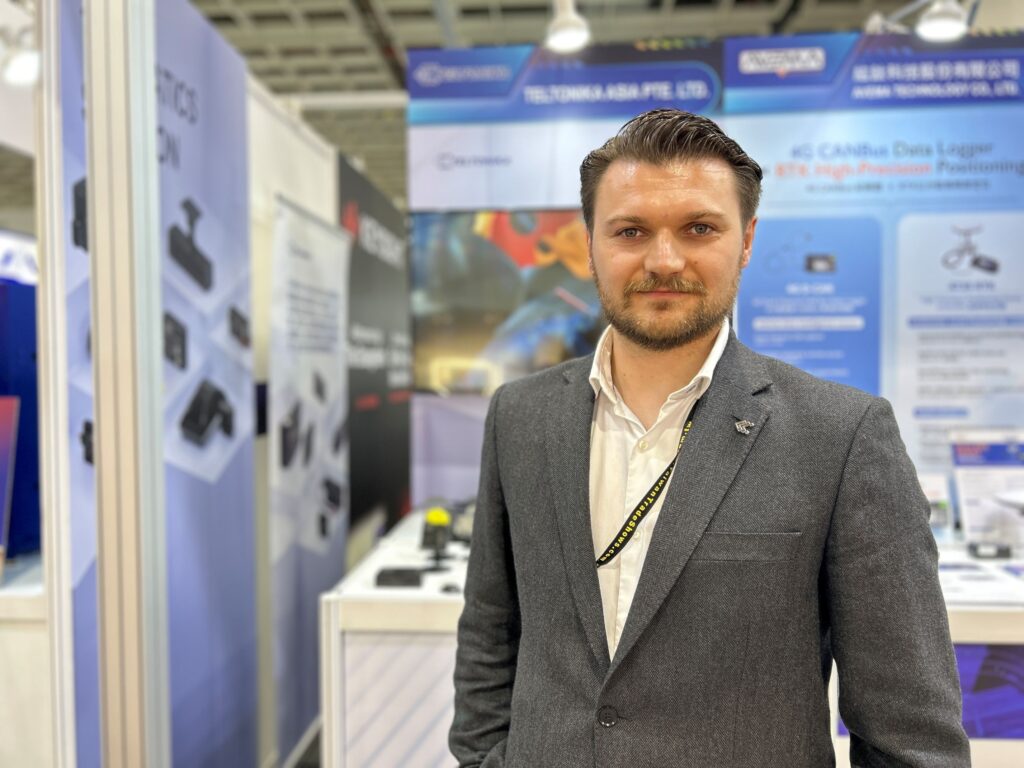
At the Taiwan 360° Mobility Expo, Teltonika Telematics showcased its latest advancements in GPS tracking and IoT integration. With over 25 years of experience, the company has evolved from a small Lithuanian startup into a global powerhouse with 27 offices worldwide. Valdemar Markovski, Head of Sales for the South Caucasus, Central and East Asia regions, shared insights into how the company is shaping the future of fleet management and electrification.
A Legacy of Innovation and R&D
Teltonika’s success is built on a foundation of listening to the market and reacting with agility. While many companies follow industry trends, Teltonika aims to set them. By
investing heavily in Research and Development, they ensure their hardware remains at the cutting edge of the telematics sector.
“In some cases, we do not try to just follow trends; sometimes we create those trends by ourselves. If you want to be competitive in the market, first you need to listen to what the clients say, then adjust and act quickly. We want to be pioneers in the IoT and especially in GPS tracking, which is why we invest so heavily in our global R&D capabilities,” Valdemar said.
Electrification and the Versatility of Tracking
As the global automotive industry shifts toward electric vehicles (EVs), Teltonika has optimized its portfolio to support everything from e-bikes to heavy industrial forklifts. Their new FT (Fleet Telematics) platform represents the fifth generation of their internal operating system, offering high-voltage support and raw CAN data reading for e-mobility.
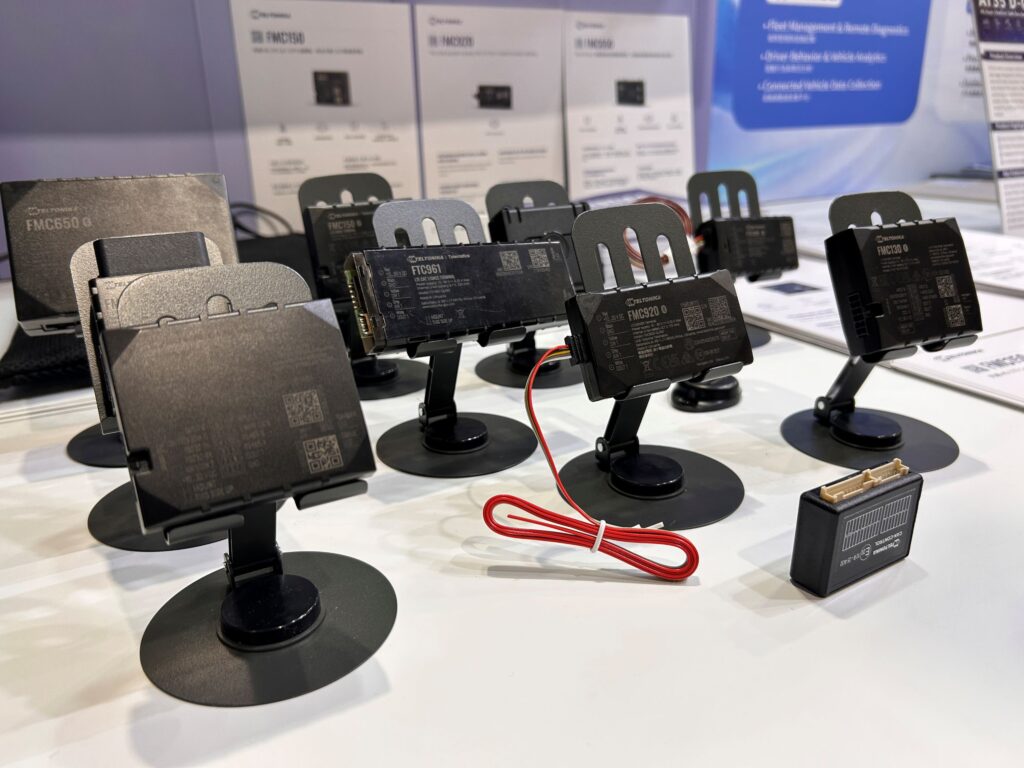
“Our main target is everything that is moving on the street, from passenger cars and light vehicles to agriculture machines, two-wheelers, and three-wheelers. We are also expanding into personal tracking for kids and the elderly. We are not just about vehicle tracking; we are about tracking everything that moves, which is why we are one of the leading global IoT companies,” he explained.
Global Expansion: Focus on Asia and North America
While Europe remains Teltonika’s strongest historical market, the company is currently prioritizing growth in East Asia and North America. By opening local offices, they aim to provide localized support and a deeper understanding of regional market nuances. This strategy is central to their presence at major international exhibitions like the Taipei Telematics Pavilion.
“Currently, the biggest potential markets for us are East Asia and North America. These are the regions where we are putting a lot of focus, investing significantly, and opening offices to have local teams so we can understand the markets better and grow. That is one of the primary reasons we are participating in Taipei with our units for the second year in a row,” he said.
Strategic Growth in Competitive Markets
In highly competitive regions like India, Teltonika differentiates itself through sophisticated technology rather than price-cutting. By offering advanced solutions like the FMC650 for heavy machinery and dedicated e-bike trackers, they empower system integrators to provide more value to their end-users.
“The Indian market is very competitive, but we target clients by offering unique, advanced solutions like CAN data reading that are difficult to find elsewhere. By focusing on sectors like warehousing and e-bikes, our clients aren’t just selling the cheapest product; they are bringing real value to the market and automatically earning more money through high- performance data and reliability,” he stated.
As Teltonika moves forward, its focus remains on the “FT Platform”, a game-changing architecture designed for precision and adaptability. By maintaining a robust supply chain and a vast network of system integrators, Teltonika is well-positioned to remain a pillar of the IoT industry for decades to come.