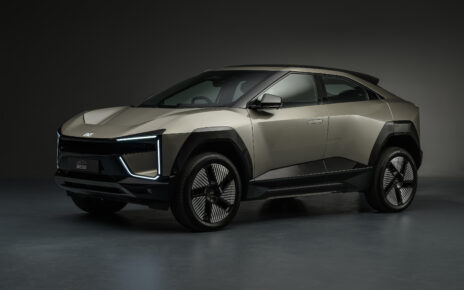
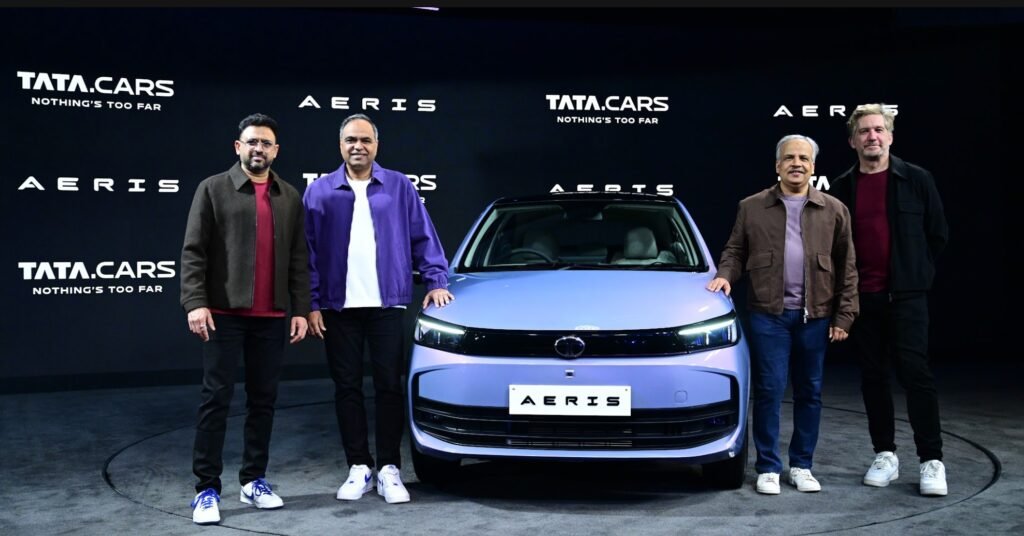
Tata Motors has long served two very different sedan buyers: fleet operators who care about running costs, and families who want style and pride of ownership. Yet every car until now tried to please both, wearing the same badge for very different lives. With personal buyers making up 65% of the segment, the carmaker decided this needed to change and launched the Aeris, a sedan built exclusively for personal use. Offered in petrol and CNG powertrains, the introductory price for the all-new Aeris starts from ₹5.29 lakh for petrol and ₹6.29 lakh for iCNG, Mr. Shailesh Chandra, Managing Director & CEO, Tata Motors Passenger Vehicles, announced.
Designed to Feel One Class Bigger
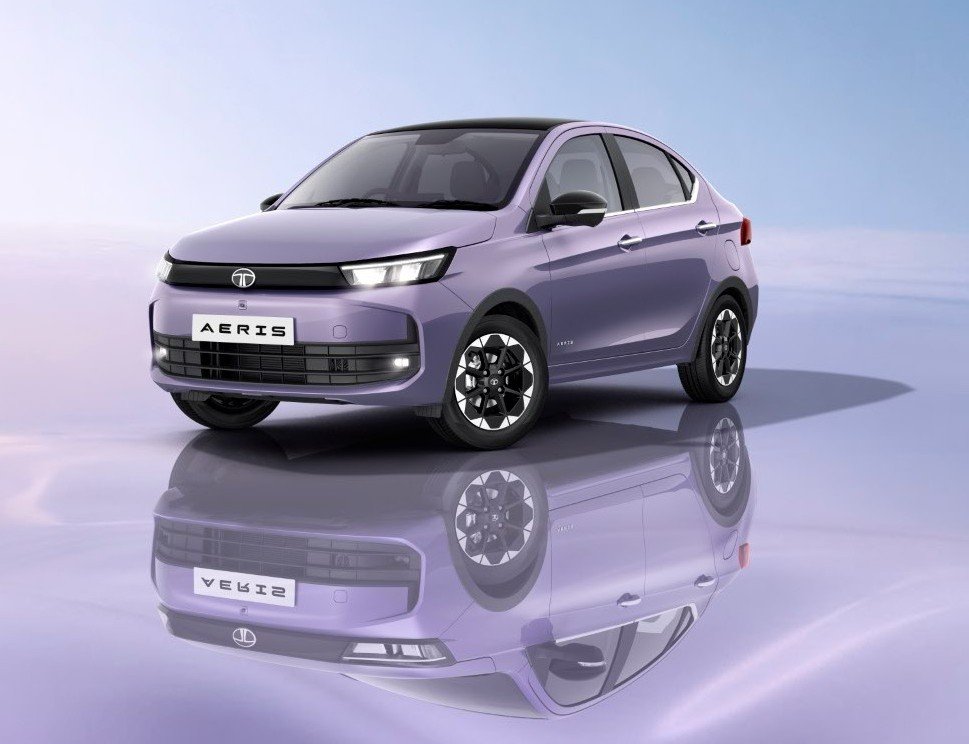
Every design choice for the Aeris began with one question – who is this car really for? Mr. Martin Uhlarik, Chief Design Officer of the company, said the team focused purely on personal buyers, people who see their car as a reflection of who they are. Outside, a raised bonnet and bold front give it a confident, planted stance, deliberately making it feel a class above its size. Inside, soft-touch materials and a spacious feel turn the cabin into a “third space,” neither home nor work, but quality time in between. Each colour on offer adds its own personality, from the signature Dandeli Drizzle, chosen to feel memorable yet elegant, to the bold Nitro Crimson and the refined Dune Glow. The goal, Mr. Uhlarik said, was to design a car people don’t just want to drive, but want to be seen in.
Engineered for More, Simplified Underneath
Speaking to this publication, Mr. Anand Kulkarni, Chief Product Officer & Head HV Engineering of the company, said, the compact sedan market moves around 3.5 lakh units a year, and 65% of these buyers are personal customers, most upgrading from a hatchback. These buyers aren’t chasing one single feature. They want style, comfort, technology, and connectivity, all working together in balance. He calls this customer a “balance seeker,” and the entire Aeris was designed around satisfying exactly that need.
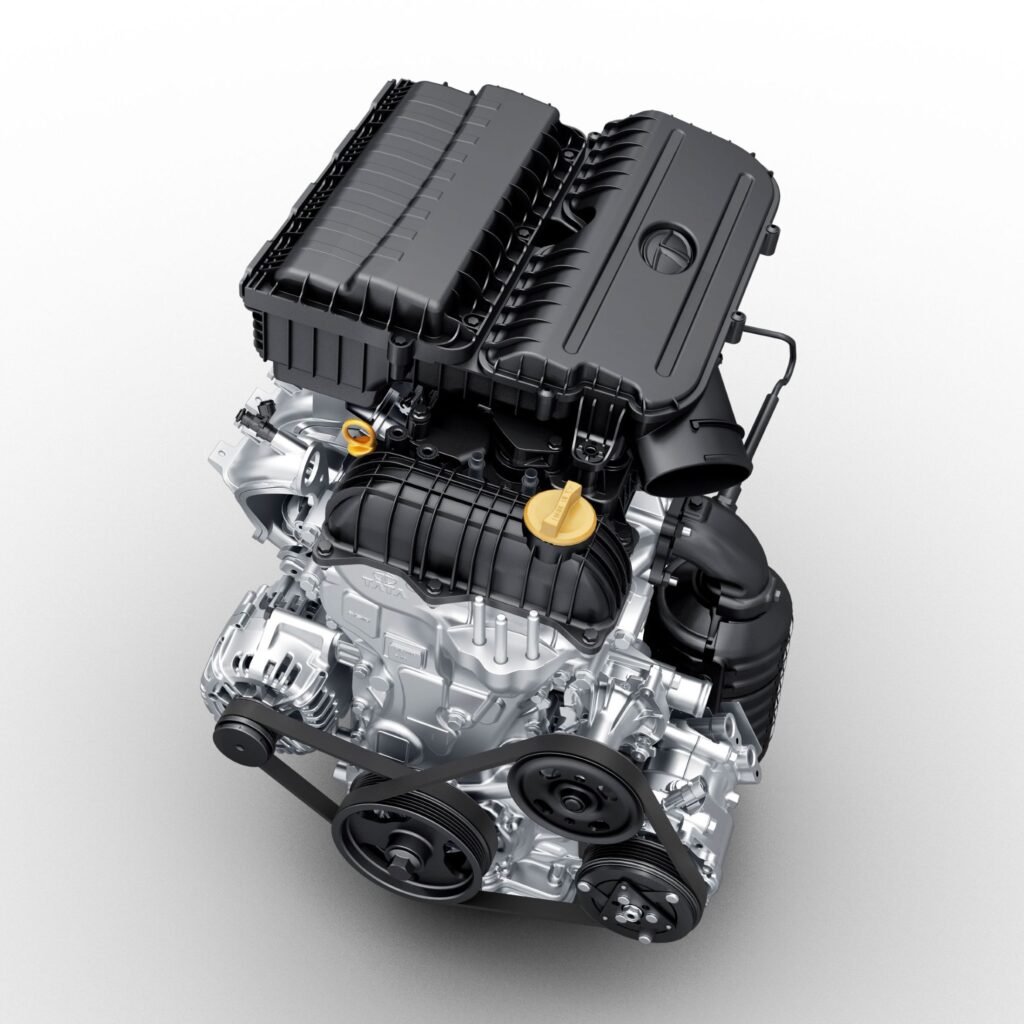
At the heart of the Aeris sits Tata’s X-Alpha architecture, giving engineers the freedom to optimise the powertrain, chassis, and electronics together as one system, guided by a simple philosophy – to offer more technology with less complexity. Customers get real choice, petrol or CNG, each available with manual or AMT transmission. Clever engineering touches, like a rotary gear selector and a cleverly hinged boot lid, add functionality while actually simplifying the mechanics underneath. Sustainability found its place too, with recycled materials used across the car’s trims, ranging from 15% to as high as 75% in certain parts, Mr. Kulkarni said.
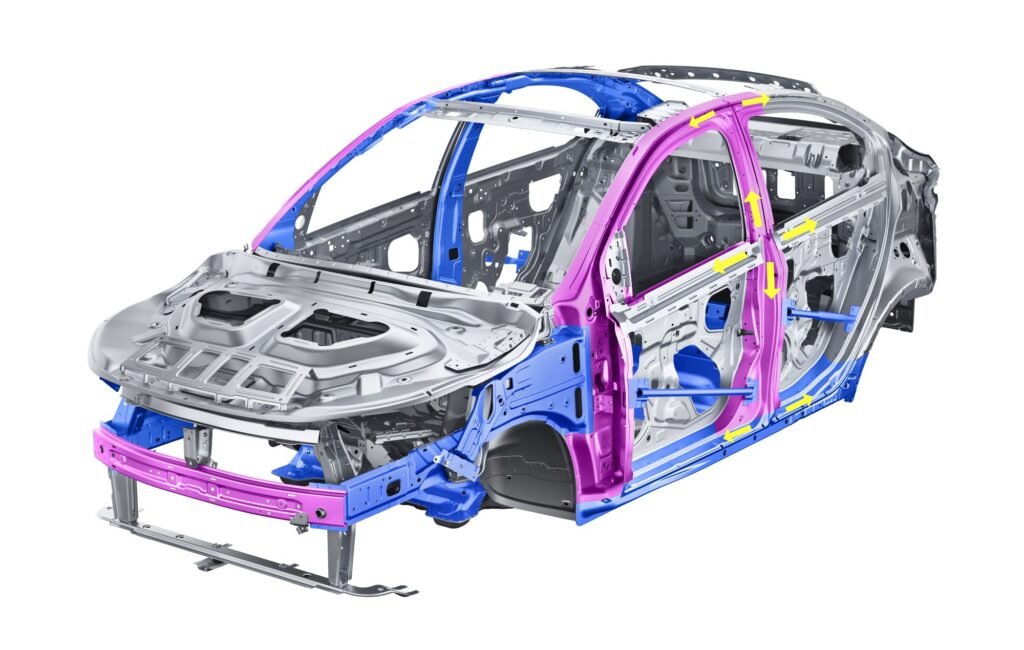
That same architecture also underpins the car’s structural strength. Mr. Kulkarni explained that X-Alpha centres around a strong, protective cabin structure engineered to manage impact forces carefully, absorbing impact without transferring excessive force to occupants, achieved through precise material choices and calculated stiffness across the body. As a result, the Aeris achieves a body bending stiffness of 12.1 N/mm, higher than several compact SUVs in the 10-11 N/mm range, and a torsional stiffness of 15-15.5 kilonewton metres per degree, matching what’s typically seen in compact SUVs. In simple terms, despite being a sedan, the Aeris is built nearly as stiff and robust as SUVs a segment above it. This structural strength carries over into safety as well, backed by a reinforced roll cage, six airbags, and over 100 safety features in total, including a built-in dashcam that continuously records the drive.
Individuality Inside Out
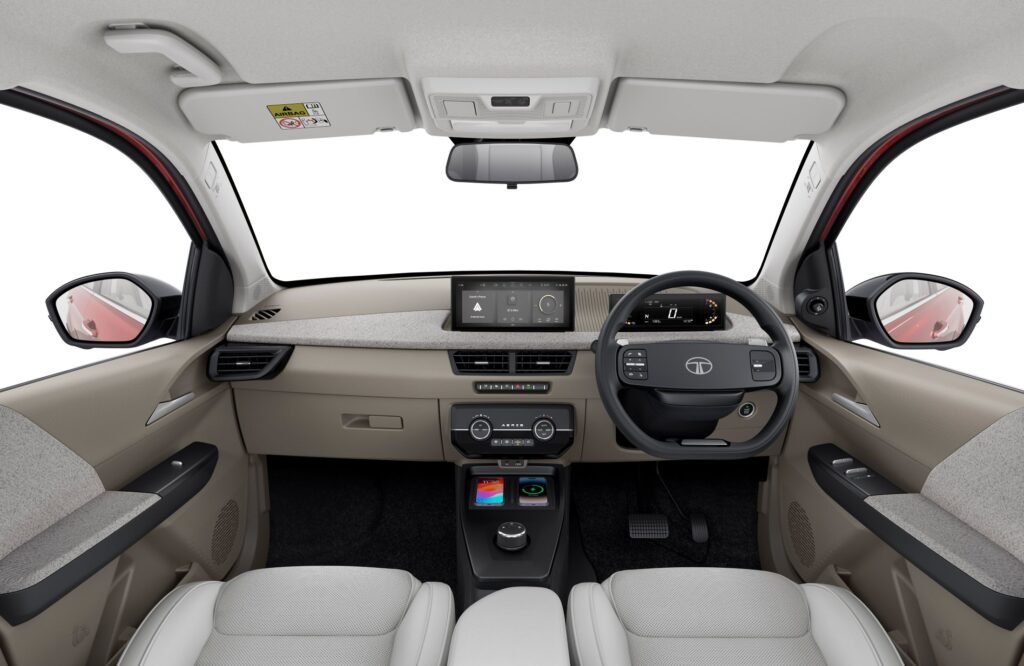
Step inside, and that same attention to individuality continues. The Aeris features a 5-inch driver display alongside large 8-inch and 10-inch infotainment screens, bigger than most cars in this segment offer, along with a 360-degree camera for easier manoeuvring. The dashboard uses soft-touch materials, and the centre console includes wireless phone charging, a genuinely useful touch given how many devices people carry today.
Front seats get ventilation, a segment-first feature, complemented by leatherette upholstery, while rear passengers get their own air vents and a seat that reclines to a more relaxed 27 degrees, compared to the usual 25-degree norm, making longer drives more comfortable. Even small details, like the window switches and steering wheel embellishments, have been custom designed to feel distinct.
This thoughtful approach extends to what he calls the “Plush OpenView Dashboard.” As Mr. Kulkarni explained, this refers to how the driver’s seating position relates to the dashboard, and how clear the sightline to the road remains. The dashboard itself has been redesigned to accommodate a floating display and premium fabric elements on top, adding a genuine sense of refinement and openness to the cabin.
CNG, Without Compromise
Aeris offers customers the freedom to choose between Petrol and CNG powertrains, with Manual and AMT options designed around different driving preferences and everyday needs. The 1.2-litre Revotron Petrol engine is available with both 5-speed Manual and AMT transmissions, offering a balance of performance, efficiency and driving convenience.
Even the CNG variant doesn’t ask for compromise. Mr. Vivek Srivatsa, Chief Commercial Officer of the company, said the Aeris iCNG offers the convenience of an AMT gearbox while retaining usable boot space, addressing one of the most common trade-offs customers face when choosing CNG. The result is a variant that keeps everything customers expect from the Aeris, comfort, technology, and practicality, without sacrificing any of it for the sake of running economics.
Bringing It All Together
A sedan has always meant comfort, space, and stability, but Tata Motors wanted the Aeris to feel like an extension of its owner’s lifestyle too. With its bold design, tech-loaded cabin, robust safety, and a genuinely compromise-free CNG option, the Aeris makes the case that practicality and personality no longer need to be traded off against each other; instead customers can simply have both, Mr. Srivatsa added.