Navnit Group, one of India’s leading automotive retail and mobility enterprises with a legacy spanning close to five decades, is actively focusing on making every interaction seamless and personalised, whether at the dealership or through its digital channels.
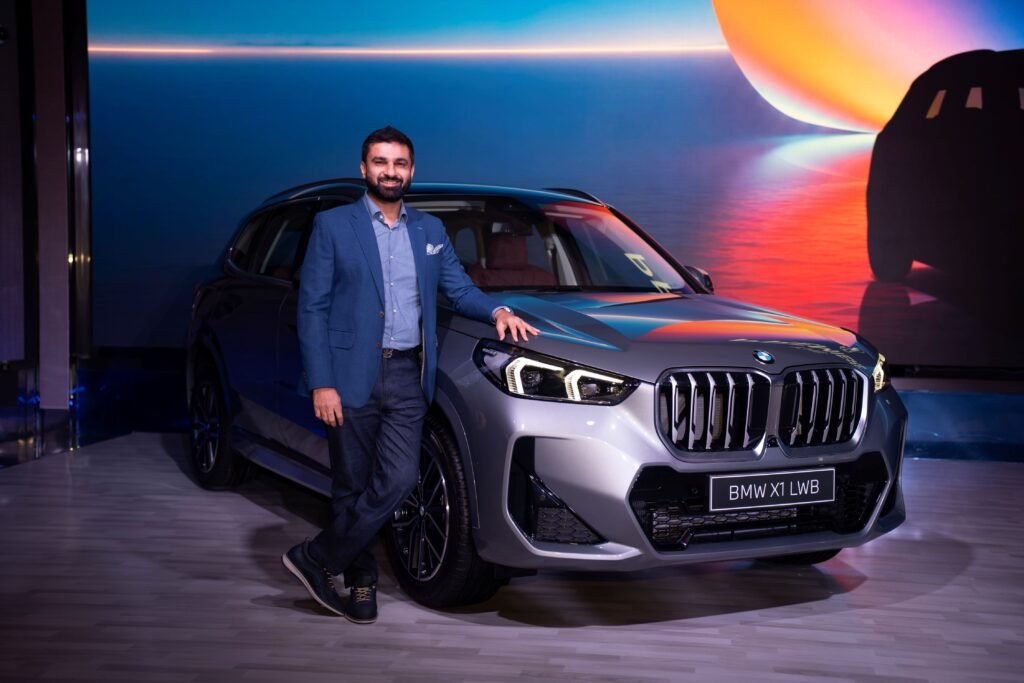
Founded by Navnit Liladhar Kachalia, the Group has established itself as a trusted name in the automotive industry through its customer-first approach, operational excellence, and long-term business relationships. Over the years, the group has evolved into a leading professionally managed automotive dealership networks, serving a diverse customer base across luxury, premium, and mass-market segments.
The strategic focus for the company comes at a time when India is entering a very interesting phase. Speaking to this publication, Mr. Krishna Kachalia, Director, Navnit Group, said, “We are seeing disposable incomes increase, aspirations change and customers becoming much more conscious about the overall ownership experience. At Navnit Motors, we are seeing this reflected in the year-on-year growth of the luxury segment. Going forward, technology, electrification and personalisation will play a much bigger role. The customer is no longer looking at just the car; they are looking at the complete experience around the car.”
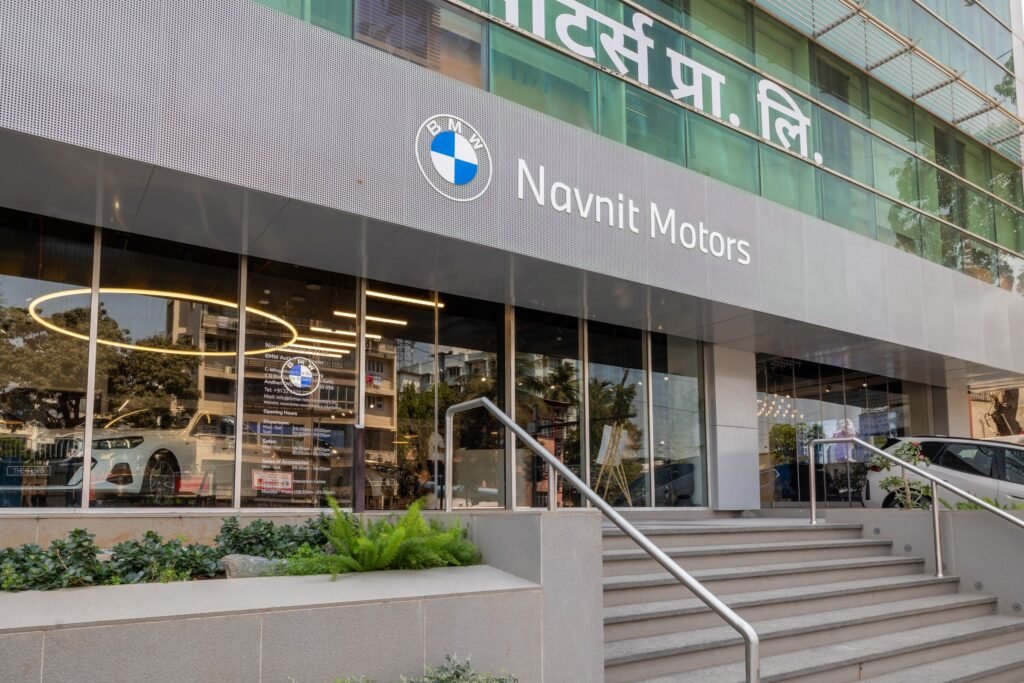
Delivering Premium Ownership, Beyond the Showroom Floor
For customers, buying a luxury car is only the beginning of the relationship; what really defines the brand experience is everything that follows. “When customers buy luxury cars, they expect certain level of comfort, care and attention throughout their ownership journey,” he explained. That’s why the dealership treats every touchpoint, whether at the showroom or through digital channels, as an extension of the same premium experience customers expect from the product itself. According to him, a strong digital presence plays a key role here too, helping the brand stay connected with customers well beyond the physical showroom, ensuring service feels seamless, personalised, and always within reach.
Keeping Pace with Rapidly Evolving Vehicle Technology
As premium cars pack in more advanced technology, from ADAS to connectivity features, the service network behind them has to evolve just as fast. “Technology in premium automobiles is advancing at a very rapid pace, and our service capabilities have to keep up with it,” he said. The dealership ensures its facilities are equipped with the right tools, equipment, and diagnostic capabilities, all prescribed by the OEM. But having the right equipment is only half the equation. Trained people who genuinely understand how to use that technology effectively matter just as much, which is why infrastructure and technical capability are treated as equally important priorities, together ensuring the service quality expected of a premium brand, he highlighted.
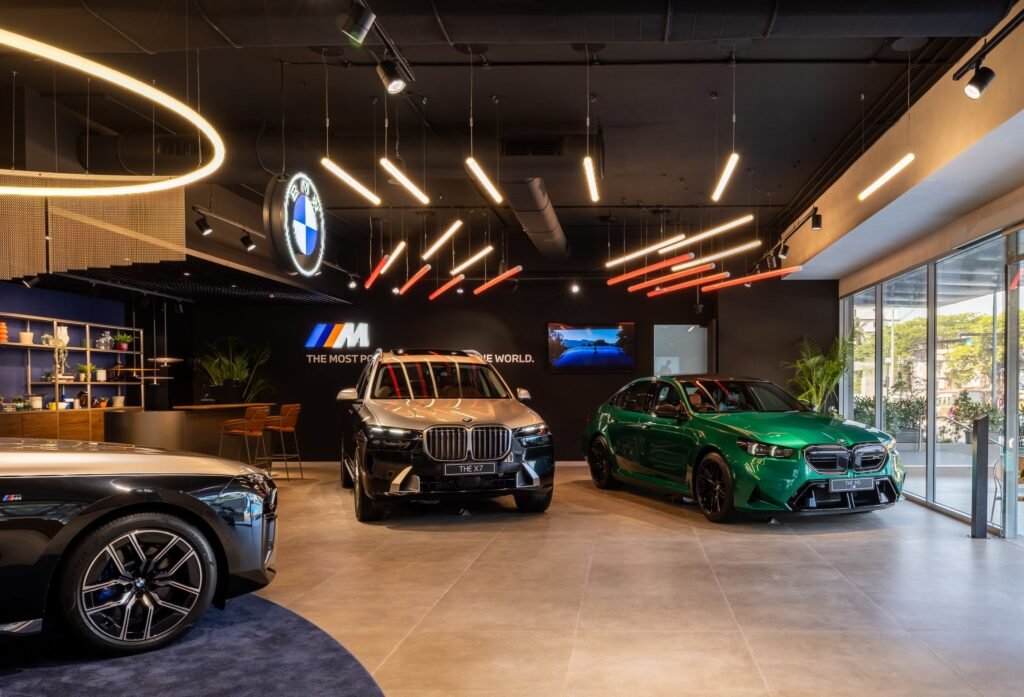
Building a Skilled Workforce for a Fast-Changing Industry
As vehicle technology grows more complex, from EVs to advanced electronics, the automotive business demands constant learning, not just from technicians, but sales teams too. “The automotive business is evolving very quickly, so retaining skilled employees and continuously upgrading their capabilities is extremely important,” he said. The approach starts with identifying the right talent and giving them genuine room to grow, supported by a dedicated network of Dealer In-house Trainers who drive continuous learning within the organisation, complemented by structured training programmes run by the OEM itself.
This focus becomes especially critical with the shift to electric mobility, where building service capability for EVs, from high-voltage systems to battery diagnostics, is a whole new challenge that starts with people. “The transition to electric mobility requires a different level of expertise, so identifying the right people with the right skill sets is critical,” he added, noting that Navnit Motors sends technicians for specialised international training where needed to stay aligned with global standards. As India’s EV ecosystem continues to take shape, having technicians and sales teams with the right technical expertise will remain one of the dealership’s biggest priorities going forward.
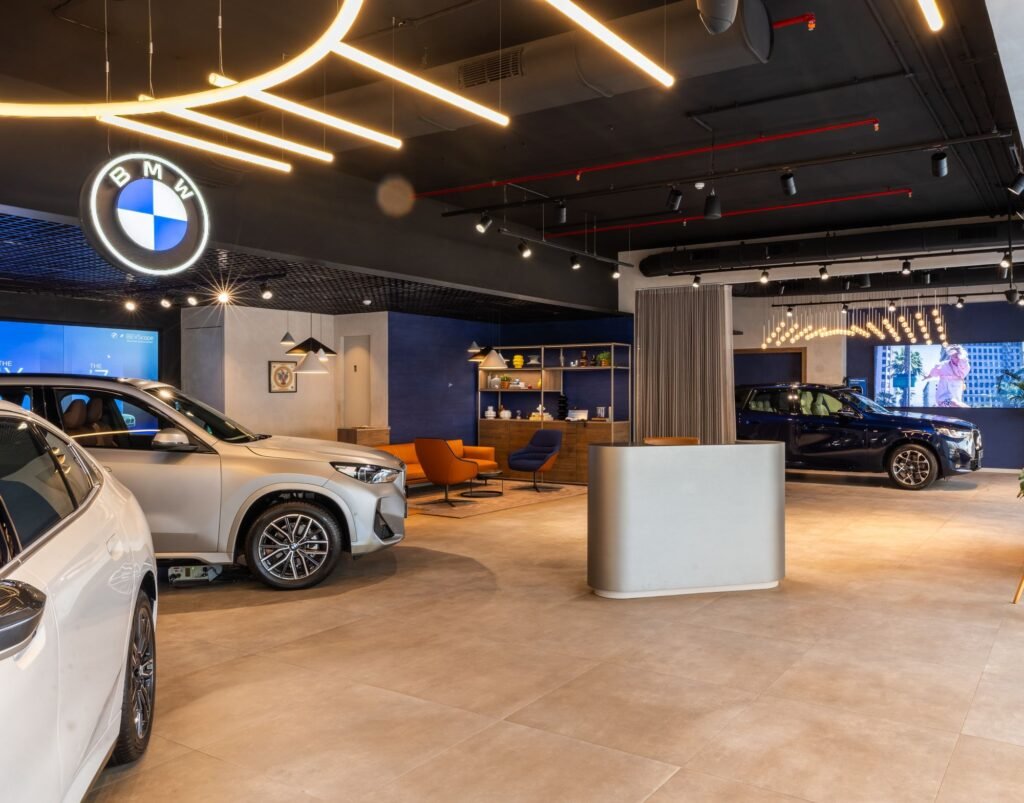
Bringing Luxury Standards to Smaller Markets
Delivering the same premium experience in smaller markets, where service volumes are naturally lower and premium infrastructure costs run higher, is a different kind of challenge altogether. Here, according to him, the approach is about striking the right balance between investment and sustainability. Working closely with the OEM ensures infrastructure, technology, and customer experience remain firmly aligned with global standards, while as a dealer, every investment still needs to make long-term business sense. Ultimately, it comes down to investing smartly in the areas that matter most, while continuously refining and elevating the experience customers receive, regardless of market size, Mr. Kachalia said.
Turning Data into Sharper Decisions
As planning and forecasting become increasingly data-driven, Navnit Motors has made data a core part of how it runs the business. Together with the OEMs, the dealership has invested significantly in its CRM portal, turning customer data capture and management into a systematic, organisation-wide process. This gives the company a much clearer understanding of customer behaviour and market trends, insights it actively shares back with the OEM. The result is a two-way flow of information that helps both the OEM and the dealership make sharper decisions around forecasting, planning, and evolving market requirements.
Turning Complaints into Trust
In a world where social media can shape a brand’s reputation overnight, how a dealership handles a complaint matters just as much as avoiding one in the first place. “I believe prevention is always the best cure,” he said. Rather than waiting for a concern to escalate, the focus is on staying genuinely connected with customers and taking responsibility early. When an issue does arise, the priority is to listen, respond quickly, and take ownership until it’s fully resolved. As he put it, customers remember how a difficult situation was handled, and when a company takes ownership and communicates transparently, even a complaint can become an opportunity to deepen trust and strengthen the relationship for the long run.