The OEM’s aspiration is to be India’s number one new energy vehicle player by 2030. The Hector Tomahawk, in both its EV and PHEV forms, is a bolder step yet towards that goal.
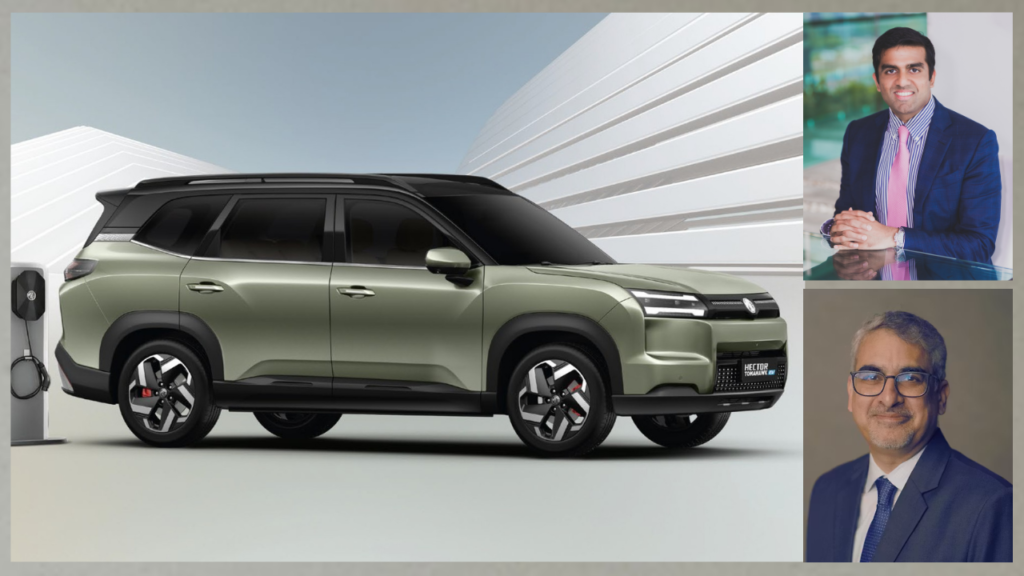
Global ICE vehicle share is set to plummet from 77% in 2023 to just 23% by 2035, while India’s EV penetration has already doubled to 8% — the backdrop against which JSW MG Motor India has recently launched the Hector Tomahawk, its first ADAPT platform product, in both EV and PHEV avatars. These models are the company’s boldest move yet, and if Mr. Parth Jindal, Chairman, and Mr. Anurag Mehrotra, Managing Director, are anything to go by, this is just the beginning.
A Name with a Story
The Hector draws its name from the Hawker Hector, a British biplane, and the Tomahawk earns its name equally from history. Group Captain Dr. M.J. Augustine Vinod — Kargil veteran and the officer who orchestrated the Balakot Mirage attack — took the audience back to North Africa, 1941. The Spitfire was the RAF’s pride, but struggled with limited range and sand-clogged engines. The Allied forces turned to the P-40 Tomahawk — heavier, tougher, with 700 miles of range on internal fuel alone, pioneering the drop tank technology still used in fighter aircraft today. “Not the fastest, but it delivered what mattered most — range, structural strength, and a cockpit designed around the pilot,” he said. JSW MG believes the Hector Tomahawk carries exactly that spirit.
The Name That Built MG India
According to Mr. Jindal, “JSW MG’s legacy is the Hector. While so many multinationals came and left India, the OEM succeeded because of it. The Hector Tomahawk combines lessons from the original Hector — commanding presence — with what the Windsor taught about cabin comfort and features.”
Bold Outside, Refined Inside
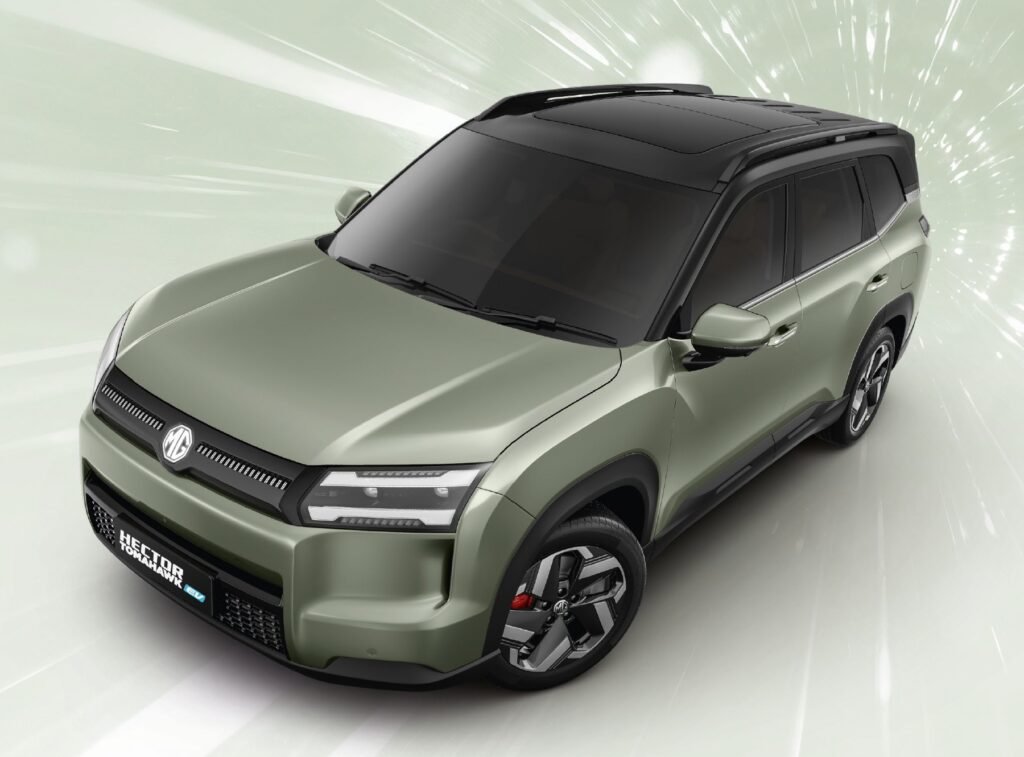
At 4,745 mm long and 1,770 mm tall, the Hector Tomahawk is the tallest and among the longest in its segment. Illuminated MG logo, beacon headlamps with LED DRLs, chrome accents, R18 rotor alloy wheels, and a powered tailgate create a commanding presence. Inside, the 2,810 mm wheelbase dedicates 85% of floor area to usable space. The Desert Squadron interior theme, 256-colour ambient lighting, 10-speaker Infinity audio, ventilated front seats, 6-way power-adjustable driver seat with memory function, panoramic sunroof, flexible second row, and 610-litre boot make every journey comfortable, said Mr. Manish Manek, Chief of VLE and Head of PE, JSW MG Motor India.
Technology at the Core
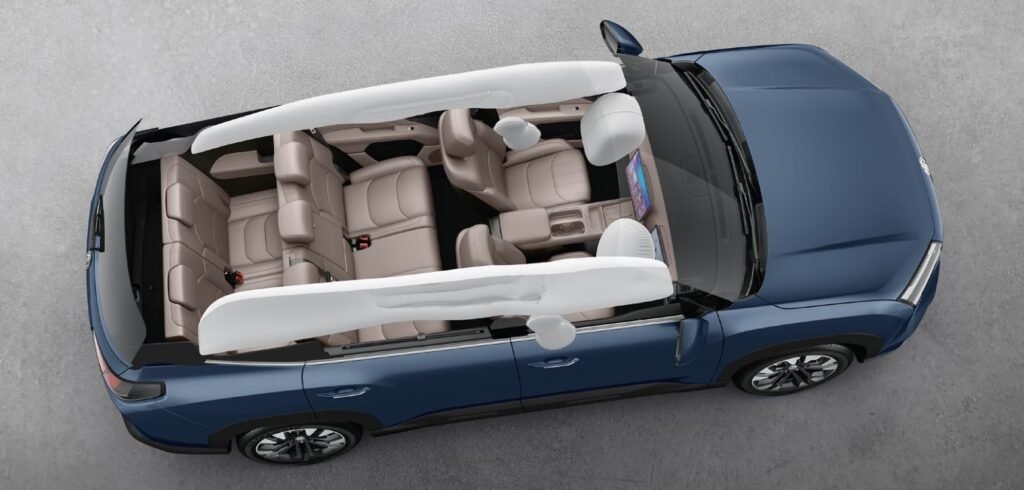
The segment-largest 39.62 cm HD Grand View Display, powered by iSmart 3.0, offers 80+ connected features, wireless Android Auto and Apple CarPlay, Eye Swipe gesture controls, and 30+ Hinglish voice commands. In partnership with Jio, MG has introduced India’s first Gen AI with Karaoke — understanding natural conversation across 8,000+ tracks. Six cabin modes and Level 2 ADAS with 11 functions, 360-degree HD camera, high-tensile steel structure, ESP, TCS, and ABS with EBD complete the safety and comfort package.
The EV — 517 km and India’s First V2H
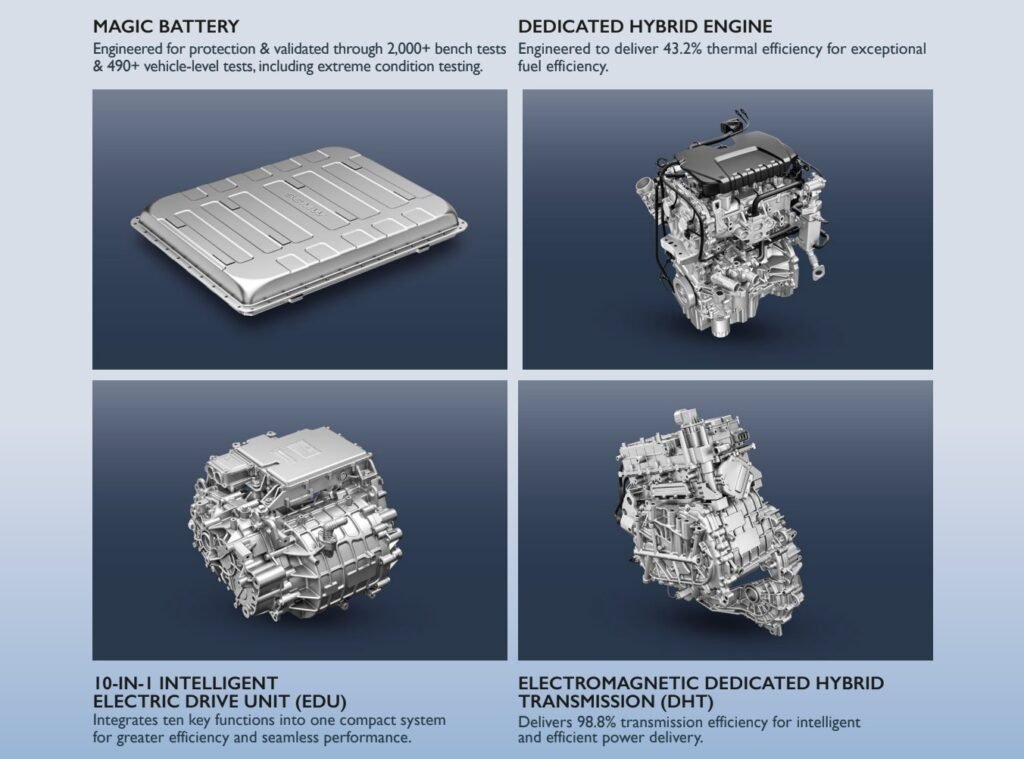
The Hector Tomahawk EV’s 69.2 kWh MAGIC Battery has been validated through 2,000+ bench tests and 490 full-vehicle validations — including needle penetration without fire. A real-time Battery Management System ensures continuous health monitoring. The result: 517 km of certified range, 90 kW DC fast charging from 30–80% in 35 minutes, and a Permanent Magnet Synchronous Motor delivering 150 kW and 310 Nm for 0–100 km/h in 8.2 seconds.
Most significantly, it is India’s first car with Vehicle-to-Home technology. “It turns the EV from a vehicle that consumes power into one that can give energy back,” Mr. Manek mentioned. The EV starts at an introductory BaaS price of ₹13.99 lakh + ₹4.90/km battery rental, with full ownership pricing from ₹19.49 lakh. Deliveries begin in September 2026.
The Diesel Killer
Mr. Jindal is blunt — the PHEV is a “diesel killer.” Targeting the 90% of buyers yet to switch to new energy, the PHEV’s competitive positioning is firmly against diesel. “Our competition is diesel,” he said. The Hector Tomahawk — in EV and PHEV forms — is the first real-world expression of MG’s ADAPT platform, built on a belief that no single technology serves every customer. The road to new energy, Mr. Jindal pointed out, need not be one-size-fits-all.
The GST Hurdle
There is one constraint that Mehrotra is candid about — taxation. PHEVs currently attract 40% GST, the same as conventional ICE vehicles, while battery electric vehicles pay just 5%. “We would have loved to price it even better, but our hands are tied,” he admitted. The company is actively engaging with the government through industry channels for a more nuanced tax framework — one that distinguishes between PHEVs, range-extended EVs, and battery electric vehicles. “The government defines it by what drives the drivetrain, and that logic is not wrong,” he added. A clearer tax structure, he believed, would make the PHEV even more accessible — and accelerate the very localisation and profitability targets the company is working towards.
The PHEV — 1,100 km, No Range Anxiety
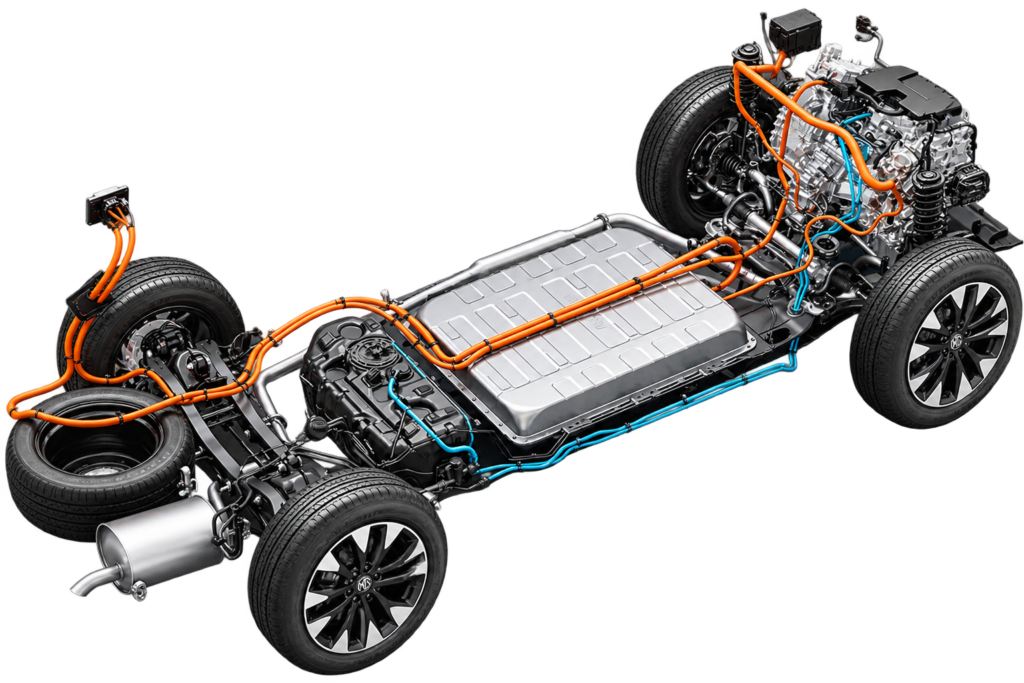
The Hector Tomahawk PHEV is, as Mr. Mehrotra put it, “the antidote to range anxiety.” Combining a 20.5 kWh battery with a 1.5-litre Dedicated Hybrid Engine at 43.2% thermal efficiency, the electromagnetic Dedicated Hybrid Transmission switches drive modes in 0.1 seconds across four intelligent modes — Pure EV, Series, Parallel, and Engine Direct. The result: 115 km of pure electric range for daily use and a combined 1,100 km range. For daily drivers, effective mileage exceeds 50 km per litre. The 148 kW motor delivers 0–100 km/h in under nine seconds. “Two cars at the price of one,” he said. BaaS pricing starts at ₹21.79 lakh + ₹3.20/km, with full ownership from ₹25.69 lakh. Deliveries begin November 2026.
From Supply Push to Consumer Pull
Mr. Mehrotra drew a sharp parallel — SUV penetration grew from 5% to 65% in a decade, not because of demand, but supply. EVs are following the same script. Monthly EV sales have grown from 100,000 to a projected 450,000 this year. “Three years ago, nobody believed 10% penetration was possible. Now 30% by 2030 seems achievable,” he said.
The Second Life Story
Beyond the launch, the OEM has introduced an Assured Buyback Programme — for a one-time fee of ₹30,000, customers lock in a guaranteed buyback value of 60% after three years, 55% after four, or 50% after five years. Returned vehicles are refurbished — battery cells replaced, interiors redone — and sold to fleet operators. “The second life of EVs will be fleet,” Mr. Jindal said. IT firms, Global Capability Centres, and data centre employees with green mobility mandates are increasingly opting for refurbished EVs. Some ZS EVs are already running as Uber Black vehicles.
The Investment Behind the Ambition
JSW MG Motor India is investing ₹3,500 crore to scale production from 110,000 units currently to 160,000 by March 2027 and 220,000 by January 2028. Vendors are contributing an additional ₹2,500 crore, taking total investment to approximately ₹6,000 crore. Localisation is targeted at 70% across the Windsor and Hector Tomahawk platforms by end of 2027. “As we localise, things come into our own control. And with profits, you become more aggressive,” Mr. Mehrotra added.