The company continues to see itself in the business of serving people, where respect, consistency and care shape every ride.

Every day, thousands of employees step into a vehicle arranged by their company, trusting that the journey will be safe, timely and seamless. Behind this seemingly routine experience lies a complex network of operations, people and processes—something ECOS (India) Mobility and Hospitality Ltd. (ECO Mobility) has been quietly refining over the years.
At its core, the company is not just moving people from one place to another; it is building trust, one ride at a time. As it expands its presence in chauffeured car rentals and employee transportation, ECO Mobility is sharpening its focus on stronger client relationships, better operational efficiency and deeper digital integration—all while ensuring that service quality remains consistent.
But the larger ambition goes beyond scale. By expanding into new geographies, strengthening premium offerings and bringing structure to an otherwise fragmented market, ECO Mobility is working towards creating a unified, one-stop corporate mobility platform. As Ms. Deepali Dev, Chief Operating Officer of the company put it, the journey is not just about building a system. “We are building a brand that stands for care, respect, and reliability. Our ambition is not just to grow, but to endure,” she added.
From One Car
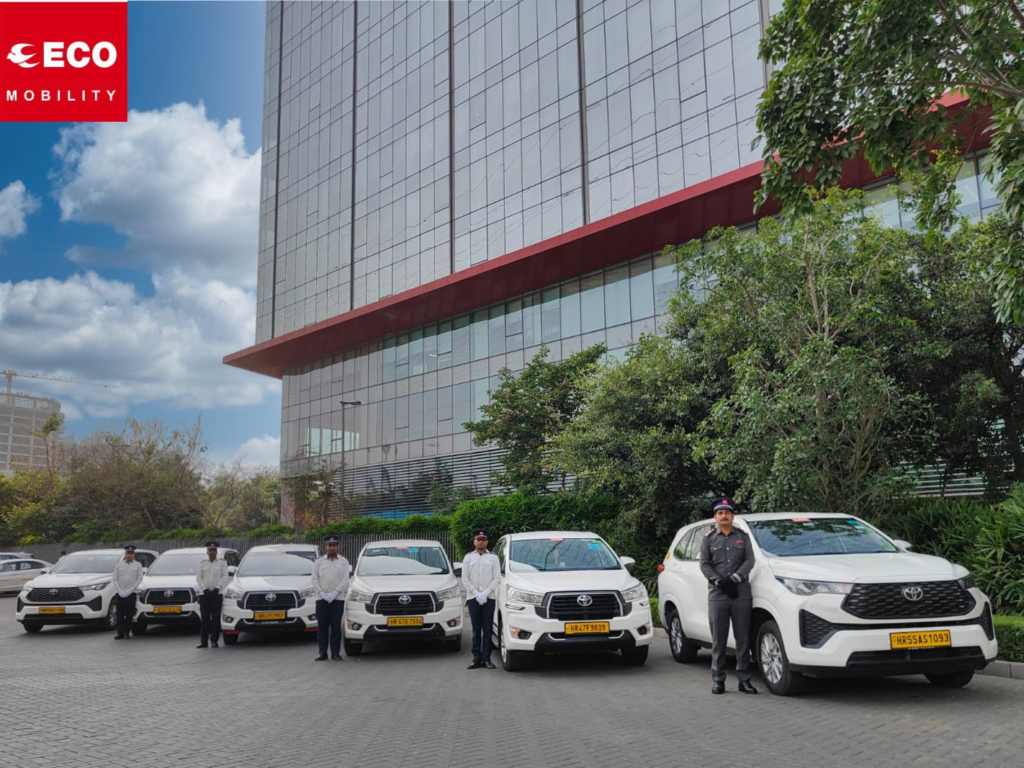
What began with a single borrowed vehicle has, over three decades, grown into a nationwide corporate mobility platform—yet the spirit behind the journey remains unchanged. Built on the discipline and service mindset of its founder, an ex-Army officer, ECO Mobility’s evolution has been as much about values as it has been about scale.
As corporate mobility itself shifts from a basic transport service to a more complex, managed ecosystem, the company has steadily adapted. It expanded beyond NCR, embraced an asset-lite and technology-driven model, and built long-standing relationships with leading enterprises across the country. Each step marked a move towards becoming not just a service provider, but a reliable mobility partner.
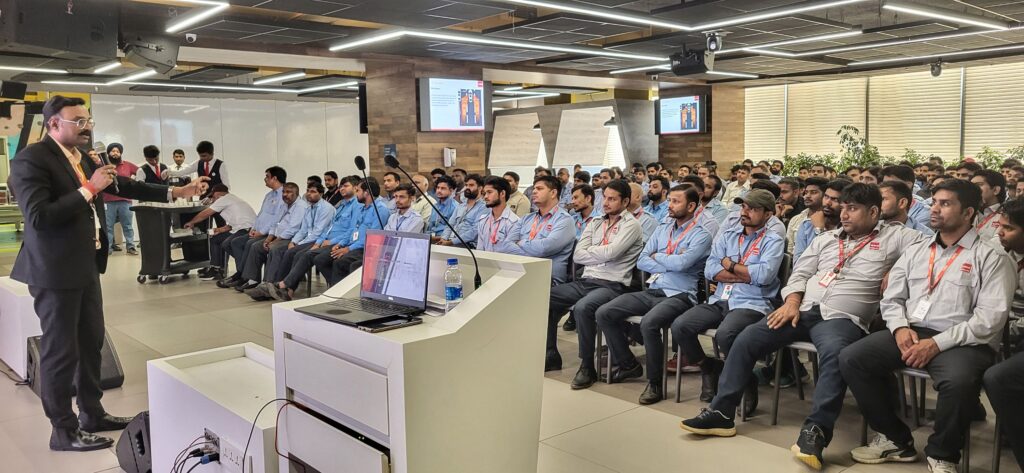
But beyond milestones and metrics, what truly defines the journey is its people-first culture, she said. At its core, ECO Mobility continues to see itself in the business of serving people, where respect, consistency and care shape every ride. Even today, the philosophy of Atithi Devo Bhava isn’t just spoken—it is practiced, quietly but consistently, across every interaction.
People at Core
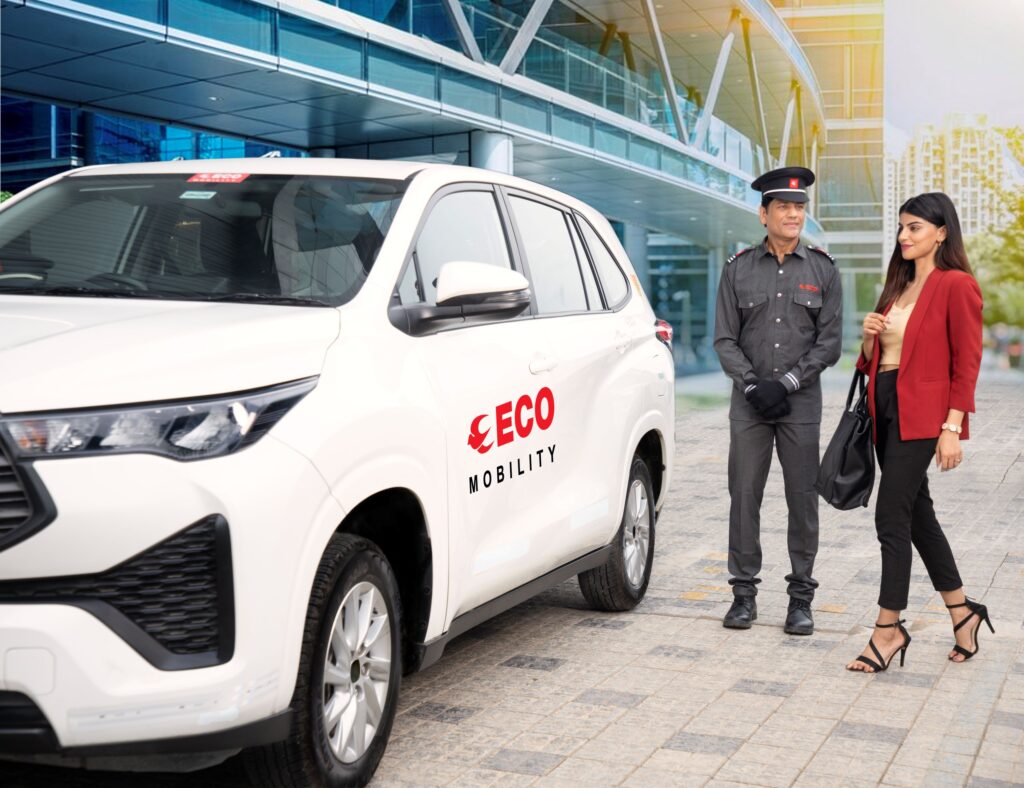
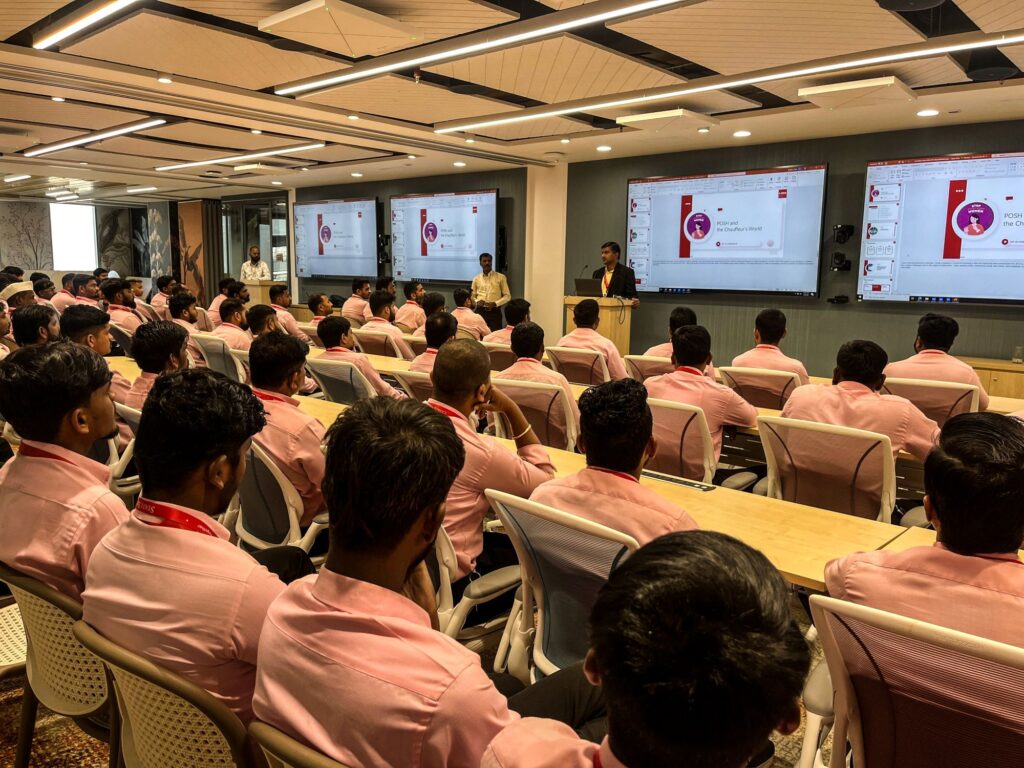
In a business where every journey reflects the brand, ECO Mobility has chosen to put people firmly at the centre—especially its drivers. Seen not just as operators but as brand ambassadors, the company is building a more stable and respectful ecosystem around them. “We are taking a long-term approach by investing in structured onboarding, continuous training, and digital enablement. As we transition towards app-based workflows, we actively support drivers in adapting to technology, recognising that this responsibility lies with us,” she mentioned. The belief is that when drivers feel valued and supported, it naturally reflects in the customer experience.
At the same time, the company is navigating rising fuel and wage costs with a strong focus on operational discipline. Instead of chasing cost cuts, it is working on improving efficiency—optimising routes, increasing fleet utilisation and strengthening vendor performance. Encouragingly, corporate clients too are beginning to look beyond just price, placing greater emphasis on reliability, safety and compliance. This shift from “lowest cost” to “best value” aligns closely with the company’s service-led approach, she noted.
The changing nature of work has added another layer of complexity. With hybrid models becoming the norm, commute patterns are no longer predictable. Demand fluctuates, peaks shift, and planning requires far greater agility. This, for the company, has meant depending more on data, technology and flexible deployment strategies. “We see hybrid work not as a temporary adjustment, but as a structural shift that is redefining corporate mobility,” she said.
Seamless Control
Behind every smooth commute lies a constant effort to balance demand, efficiency and safety—often in real time. For ECO Mobility, managing peak-hour rush and off-peak idle time is less about reacting and more about planning intelligently. “We leverage dynamic routing, intelligent trip clubbing, and real-time adjustments to improve efficiency,” she said. A diverse client base further helps distribute demand, allowing the network to stay productive even when patterns shift.
At the same time, the focus is on making the entire experience seamless for clients. By integrating its platform with HR and enterprise systems, ECO Mobility enables real-time visibility into employee movement, trip status and compliance. The aim is to make mobility so efficient that it almost fades into the background, working quietly without disruption.