The commercial vehicle industry is entering an era where electrification, automation, connectivity and digitalisation are no longer standalone technology domains—they are increasingly converging to create smarter, safer and more efficient vehicles. According to Ivan Brajdic, Head of R&D at the Commercial Vehicle Solutions (CVS) Division, ZF, the next phase of innovation will be defined not just by individual technologies but by how intelligently they work together.
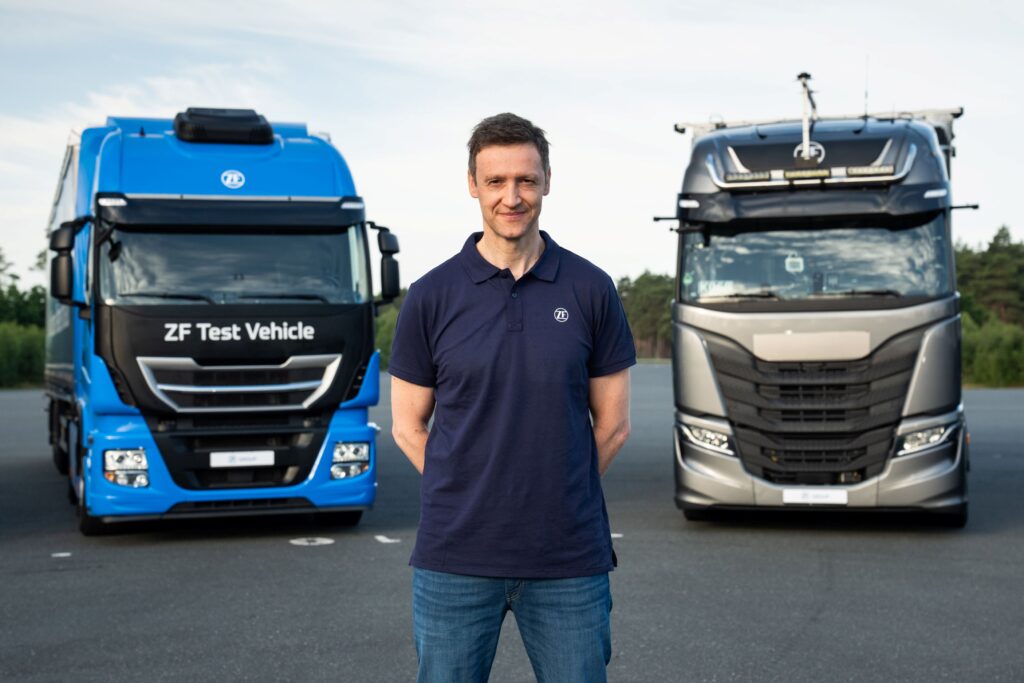
Speaking to MOTORINDIA during ZF CVS Global Technology Day 2026 in Germany, Brajdic shared his perspectives on the industry’s evolving technology landscape, software-defined commercial vehicles, regional product development, artificial intelligence and the future of propulsion technologies.
Systems Working Together
Brajdic believes the industry’s long-established megatrends—automation, electrification and connectivity—are now beginning to overlap in meaningful ways.
“We call it ACE—Automated, Connected and Electrified. These domains are progressing individually, but more importantly they are becoming intermeshed. The overlap between them is where significant innovation opportunities exist,” he said.
One of the strongest examples is the integration of braking systems with electric drivetrains. Rather than treating each vehicle subsystem independently, ZF is increasingly combining system intelligence to improve vehicle performance. The company’s expertise across braking, conventional drivelines and electric drivetrains allows it to optimise communication between systems, reducing control latency while simultaneously improving safety and efficiency.
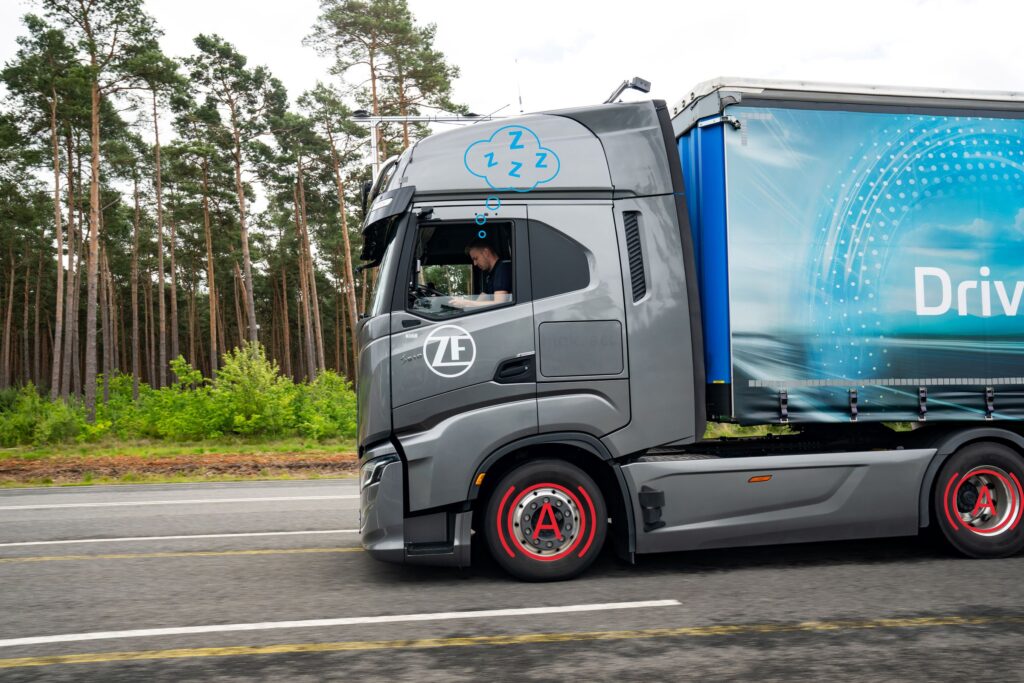
“If the industry wants to take safety and efficiency to the next level, isolated intelligence has to become combined system intelligence,” Brajdic explained.
He pointed out that such capabilities are already production-ready. Customers using both ZF braking systems and electric drivetrains can activate these functions without requiring additional electronic hardware, making implementation relatively straightforward.
Engineering for Every Market
While developing global technologies is important, Brajdic stressed that understanding regional operating conditions is equally critical.
Markets such as India and China present vastly different operating environments compared to Europe. Factors such as weather conditions, road infrastructure and vehicle usage patterns demand regional adaptations even within globally developed products.
“You cannot ignore regional demands,” he said. “The best approach is to develop global platforms while ensuring regional teams can easily adapt them for local applications.”
India, in particular, has emerged as one of ZF’s most important global engineering centres. Rather than viewing the company’s Chennai R&D facility as a support location, Brajdic described it as a fully integrated global engineering hub with responsibility extending well beyond India.
“Today we have around 1,000 engineers in Chennai. The evolution of their skills and capabilities over the last decade has been truly impressive.” He noted that several product groups are now being globally developed and managed from India, highlighting the growing confidence in the country’s engineering capabilities. “For me, India is not a workbench—it is a global location.”
Software with Purpose
One of the major themes during the Technology Day was ZF’s vision for Software Defined Commercial Vehicles (SDCV). While the concept shares architectural similarities with Software Defined Vehicles (SDVs) used in passenger cars, Brajdic believes commercial vehicles have fundamentally different priorities.
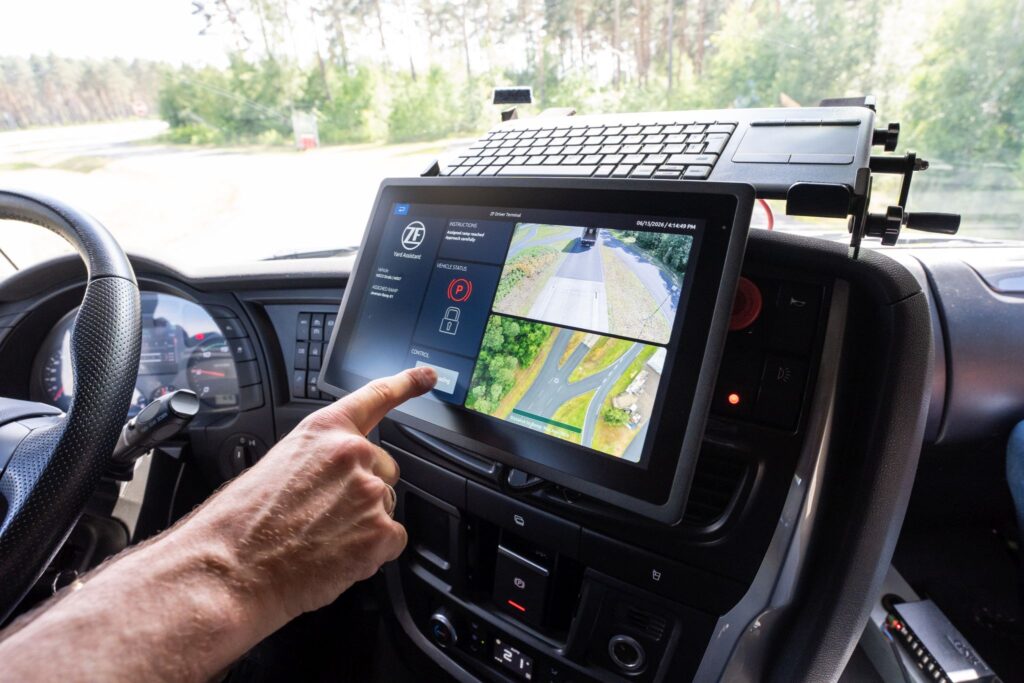
Passenger cars typically focus on digital lifestyles, infotainment and consumer experiences. Commercial vehicles, however, must deliver measurable business value. “Fleet operators don’t buy vehicles because they offer more digital applications,” he observed. “Their first question is always how a technology helps reduce costs or improve operational efficiency.” Commercial vehicles also present far greater complexity due to their numerous configurations—from rigid trucks and tractor-trailers to buses and specialised applications.
Consequently, software-defined architectures must focus on practical use cases with clear returns on investment. One example demonstrated during the event involved intelligent yard operations, where vehicle software dynamically adapts to individual logistics yards, enabling safer manoeuvring and loading operations through cloud-connected functionality. For Brajdic, software-defined commercial vehicles are less about adding digital features and more about translating software capabilities into operational productivity.
A Flexible Path to Electrification
Although battery electric vehicles represent the industry’s long-term direction, Brajdic believes transition pathways will continue to differ across regions due to varying infrastructure readiness. Hybrid technologies therefore continue to play an important bridging role. ZF showcased its TraXon Hybrid transmission solution, which allows manufacturers to retain much of their existing internal combustion vehicle architecture while significantly reducing fuel consumption and emissions.
“It enables customers to move towards electrification without completely redesigning the vehicle,” he explained. “Infrastructure availability differs widely across markets, and hybrids provide a practical transition.”
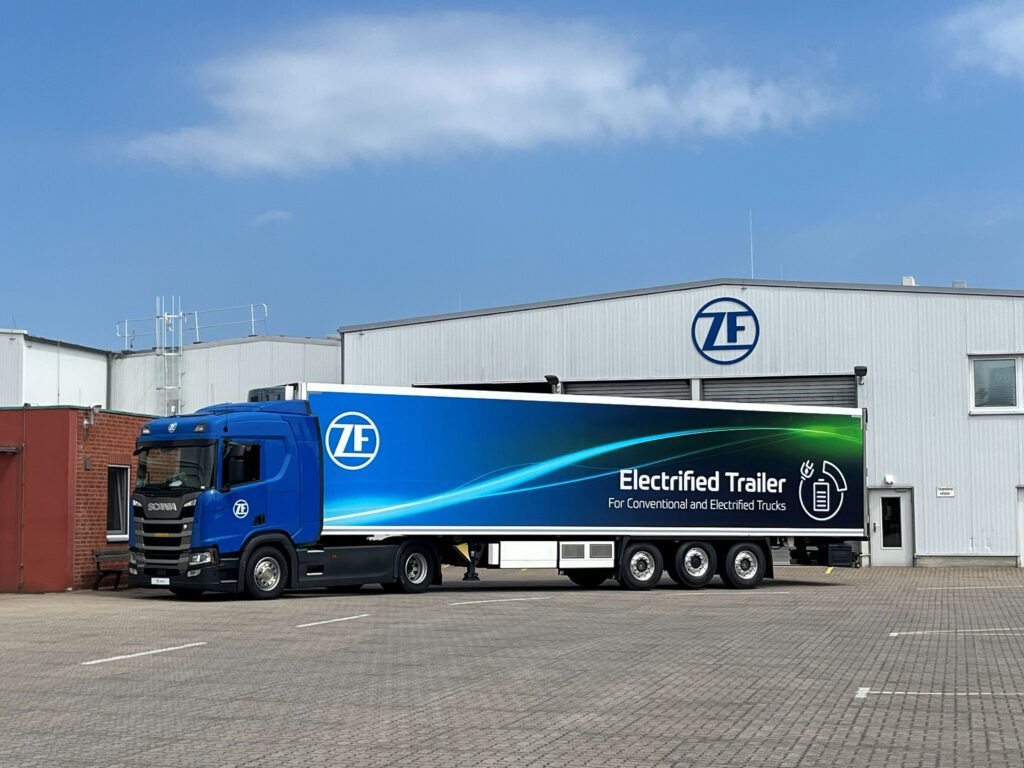
Alongside hybrid solutions, ZF also demonstrated its expanding electric mobility portfolio, including the CeTrax 2 central electric drive and AxTrax integrated electric axle.
Brajdic explained that the company’s modular strategy enables OEMs to select solutions based on their individual product strategies.
Manufacturers looking for faster electrification can adopt the central drive solution with minimal vehicle redesign, while those pursuing dedicated electric platforms can benefit from integrated electric axle technologies that maximise packaging flexibility for batteries and other components.
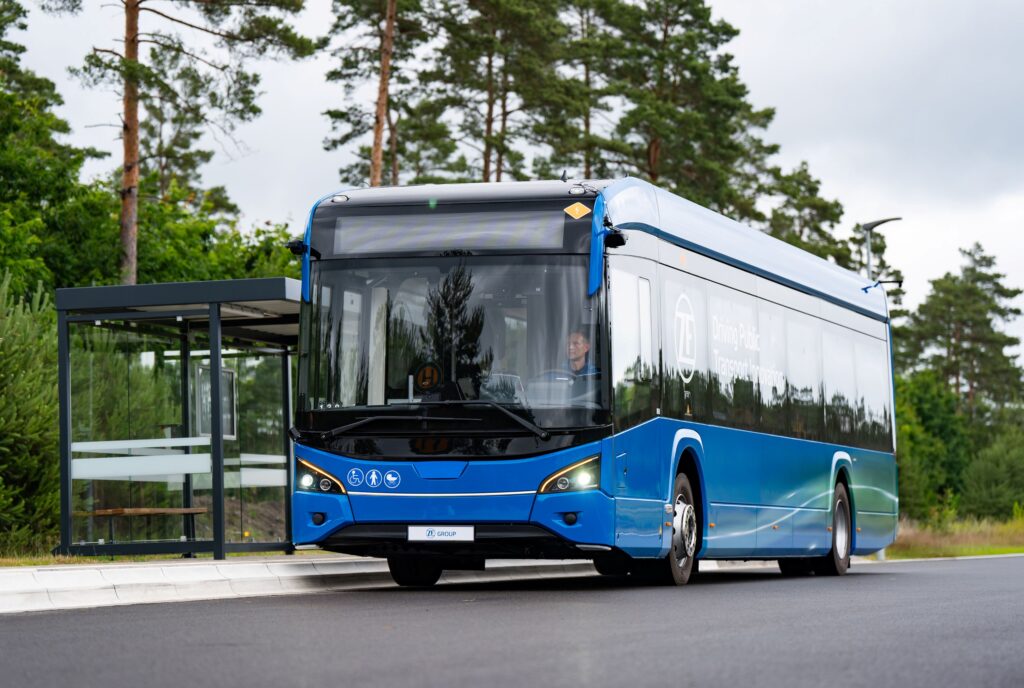
The portfolio also includes dedicated low-floor axle solutions for city buses, allowing multiple vehicle applications to share common core electric drivetrain technologies.
AI Beyond the Hype
Artificial Intelligence was another recurring theme throughout the event. Brajdic believes AI has already entered commercial vehicle development, although often in the form of machine learning technologies that have quietly existed within products for years. Looking ahead, he expects AI to play an increasingly important role in enhancing both vehicle capabilities and engineering processes.
One promising application involves virtual sensors, where AI algorithms generate additional vehicle information using existing sensor data rather than requiring extra hardware. “Better sensor intelligence improves the overall performance of vehicle systems,” he noted. Within engineering, AI is expected to accelerate validation processes, improve test coverage and enhance development quality. However, Brajdic emphasised that AI adoption also requires engineering organisations to evolve their own workflows, documentation methods and development practices.
Innovation that Delivers
Despite rapid technological progress, Brajdic stressed that innovation must ultimately solve real customer problems. ZF follows what he describes as a “push-and-pull” innovation process. New concepts are initially developed through dedicated innovation teams before being demonstrated to OEMs and fleet operators. Customer feedback then determines whether technologies progress to full-scale development.
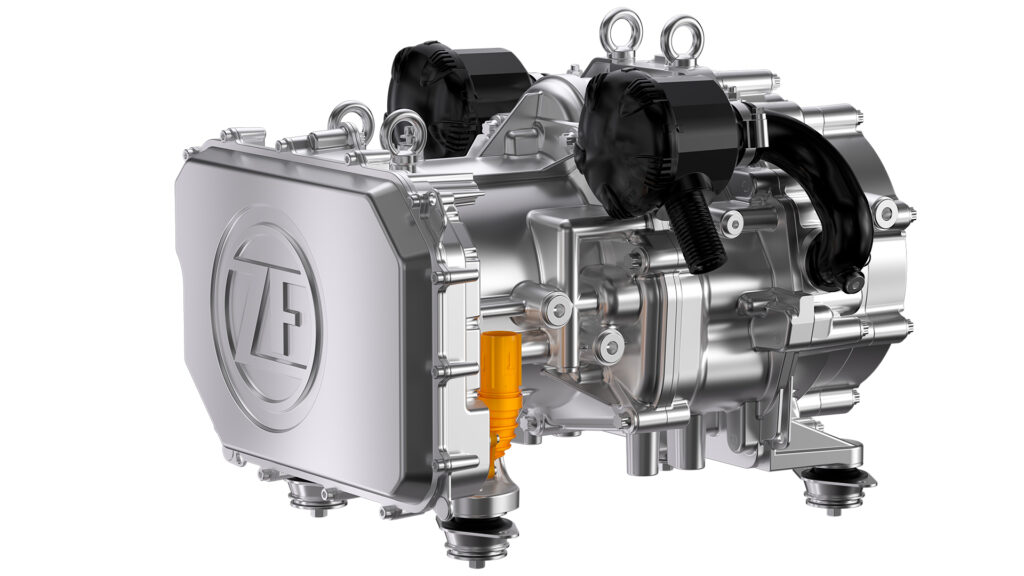
Sometimes ideas are refined further; occasionally they are abandoned. Successful innovations, however, eventually generate customer demand on their own. “We don’t develop technologies for ourselves,” he remarked. He cited ZF’s scroll e-compressor as an example of this approach, evolving from an early innovation project into a product now attracting strong customer interest.
Looking ahead, Brajdic remains optimistic despite increasing industry complexity. Quoting legendary Formula One driver Ayrton Senna, he remarked, “The best drivers you will find in the rain—not in the sun.” For him, today’s volatility represents opportunity rather than uncertainty. “We are embracing this complexity,” he concluded. “It is an opportunity to demonstrate our capabilities, strengthen our regional footprint and continue leading the transformation of commercial vehicle technologies.”