For years, the automotive aftermarket worked on a simple rule: the seller decided, and the customer accepted. But today, vehicle owners are changing. They want to compare brands, know what part goes into their vehicle, and sometimes even buy and fit parts themselves. This shift has brought new expectations – direct communication, transparency, quick service, and trust. To meet these needs, companies are moving towards digital platforms. What was once a seller-driven market is now becoming a consumer-driven world, where the customer is informed, involved, and in control.
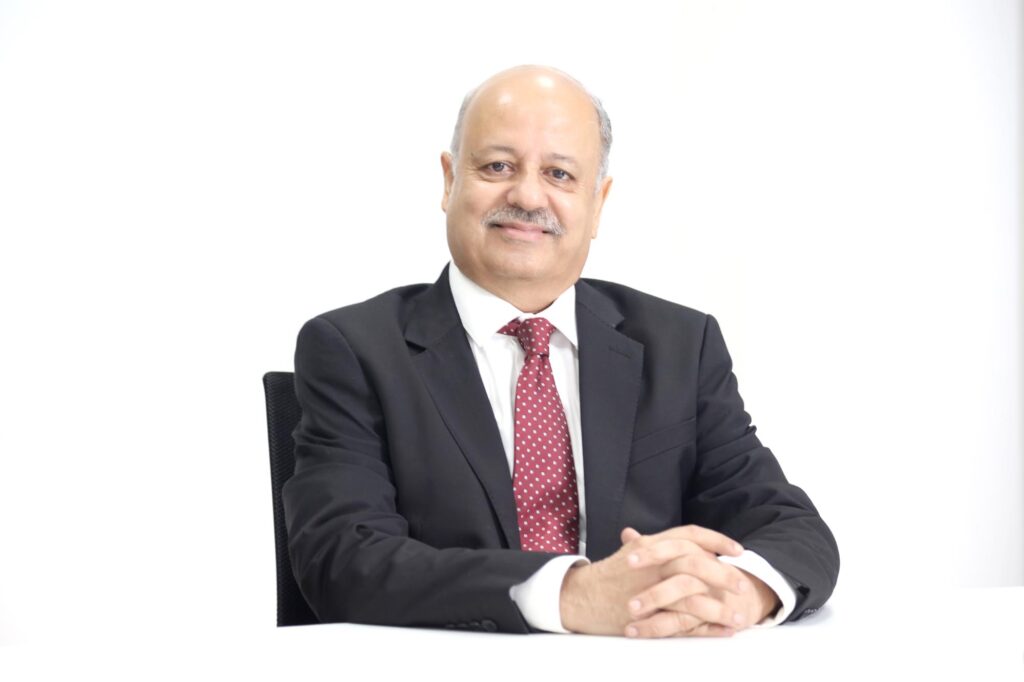
To address this evolution, UNO Minda has created digital platforms that connect workshops, retailers and mechanics, ensuring quick access to pricing, availability, schemes and updates. Instead of relying on slow word-of-mouth chains, the company is formalising communication across the value chain, Mr. Rakesh Kher, CEO – Aftermarket of UNO Minda Ltd, has said.
Speaking to this publication, Mr. Kher said, for years, the aftermarket business followed the same old path. Parts moved from the company to the distributor, from the distributor to the retailer, and finally to the mechanic. The customer was almost at the end of the line. Most vehicle owners simply trusted whatever part the mechanic installed. Their knowledge was limited to a few items like tyres, batteries, oils, and filters. But the market has changed.
Over the past four to five years, consumers have become more aware. “They now prefer branded, reliable parts for their vehicles. Some even want to buy parts online and either fit them themselves or take them to their trusted mechanic. Seeing this shift, we decided to break the old chain and speak directly to vehicle owners,” he said.

Instead of waiting for the customer to find them, the company started reaching out through digital platforms. It created simple educational videos showing how to identify genuine parts, how to buy them online, and how to return them if needed. This helped “build confidence, especially among buyers in smaller towns, where vehicle maintenance is often a hands-on hobby,” he explained.
Through loyalty programmes, guaranteed return policies, and doorstep delivery, the company began building a growing community of informed customers who demand genuine, branded parts.
To keep this connection alive, the company uses every major digital platform. Search advertising, notifications, influencer content, and even short videos work together like links in a chain. “WhatsApp has become the most powerful tool of all. Earlier, it was SMS and email. Today, it is WhatsApp, YouTube, Instagram, and Telegram that carry the message across generations – from baby boomers to Gen Z,” Mr. Kher said.
This journey is not short. Reaching every vehicle owner in India may take years. But with rising awareness and growing enthusiasm from consumers, the momentum is clear. The more informed the customer becomes, the stronger the pull for genuine parts.
One Portfolio, Multiple Channels
UNO Minda’s product portfolio spans two-wheelers, four-wheelers, exports, accessories and batteries. While the company is not looking at dark stores or quick commerce yet, it is open to partnering with players exploring that model. “Our job doesn’t end at selling a spare part. It begins with helping the customer choose the right one — safely, transparently and confidently,” he said.
Speaking on the rationalisation of GST, Mr. Kher said, it has quietly changed the dynamics of India’s aftermarket. With tax slabs reduced and several auto components moving from 28% to 18%, branded spare parts have suddenly become far more affordable. The price gap between genuine parts and unbranded grey-market products has narrowed for the first time, giving organised players a major advantage.
Mr. Kher said this shift is already visible on the ground. Dealers and retailers, who once preferred higher-margin unbranded parts, are now finding that customers are actively asking for branded, certified components. For the consumer, the drop in pricing means peace of mind. For organised aftermarket players, it means growth. With vehicle sales surging — especially in two-wheelers, three-wheelers and small passenger cars — the demand for spares will only rise.
The Grey Market Isn’t Gone — It’s Fighting Back
Yet, according to him, the challenges remain. The grey market, which had shrunk during the pandemic, has bounced back. Spurious parts continue to find takers because they offer higher margins to retailers, despite compromising on safety. He pointed out that India’s alarming accident statistics — poor-quality components are one of the hidden contributors.
A Portfolio Built for Every Vehicle
UNO Minda’s product world is large and diverse. The company supplies parts to almost every major vehicle manufacturer. But the story does not end at the OEM level. Almost every product that UNO Minda manufactures also finds its way into the aftermarket.
Instead of mixing everything into one big basket, the company has created a clear structure. Two-wheeler parts and four-wheeler parts are handled separately, with dedicated teams focusing on distribution and sales. This helps each team understand the specific needs of their market and respond faster.
Beyond regular spares, UNO Minda also has an accessories division – for customers who want to personalise or enhance their vehicles. The company has an export division as well, sending products beyond India to meet demand in global markets. And because it manufactures batteries too, there is a specialised vertical just for that business.
In total, UNO Minda runs four strong sales verticals, each with a focused role. The idea is simple: whether you ride a scooter, drive a car, look for accessories, or need a reliable battery, UNO Minda wants to meet that need directly and efficiently. Instead of just selling parts, the company is building a system that serves every kind of customer, in every kind of market, he said.
Asked if the company is looking at opening dark stores and then supply products through the quick commerce way, Mr. Kher said, “Not at the moment. We are looking at for some partners and we can support them if they, in case, have some ideas on how they can start up quick commerce in auto parts.”