Modern Transport Company has built its reputation over six decades on discipline, reliability, and a clear understanding of passenger needs. In FY 2025–26, the Mumbai-based operator reported a steady 12% growth, while continuing to sharpen its focus on contracted operations, premium mobility, and large-scale transport deployments. Under the leadership of Harsh Kotak, the company has evolved into a well-diversified player that balances legacy strengths with a pragmatic view of the future.
The company’s origins trace back to 1962, when Kotak’s father Pravin Haridas Kotak started operations with a single Matador Tempo in Mumbai. The early years were defined by regulatory hurdles and slow expansion, but also by resilience and a willingness to seize opportunity. A breakthrough came during the 1974 Railway Strike in India, when the company launched intercity bus services at a time when rail transport had come to a standstill.
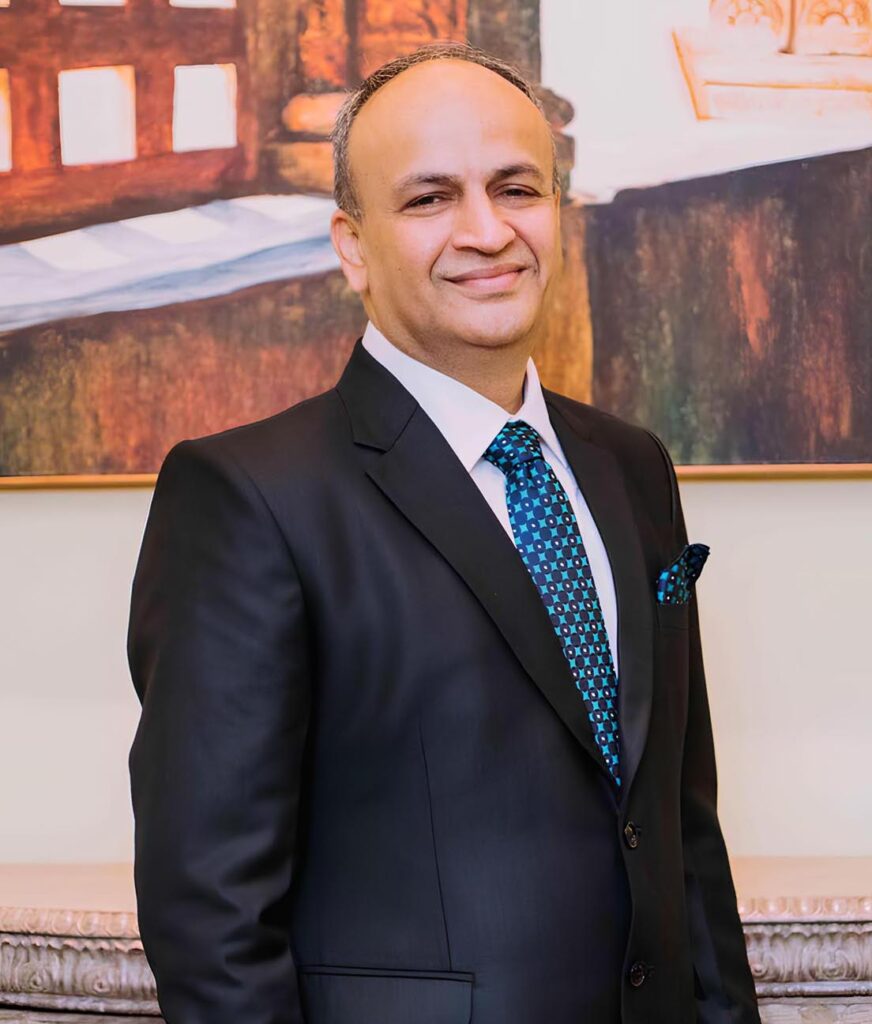
As Harsh Kotak explains, “Our journey has never been about scale in the beginning; it was about persistence. My father built this business through sheer hard work, often driving the bus himself. That grounding still shapes how we operate today.’”
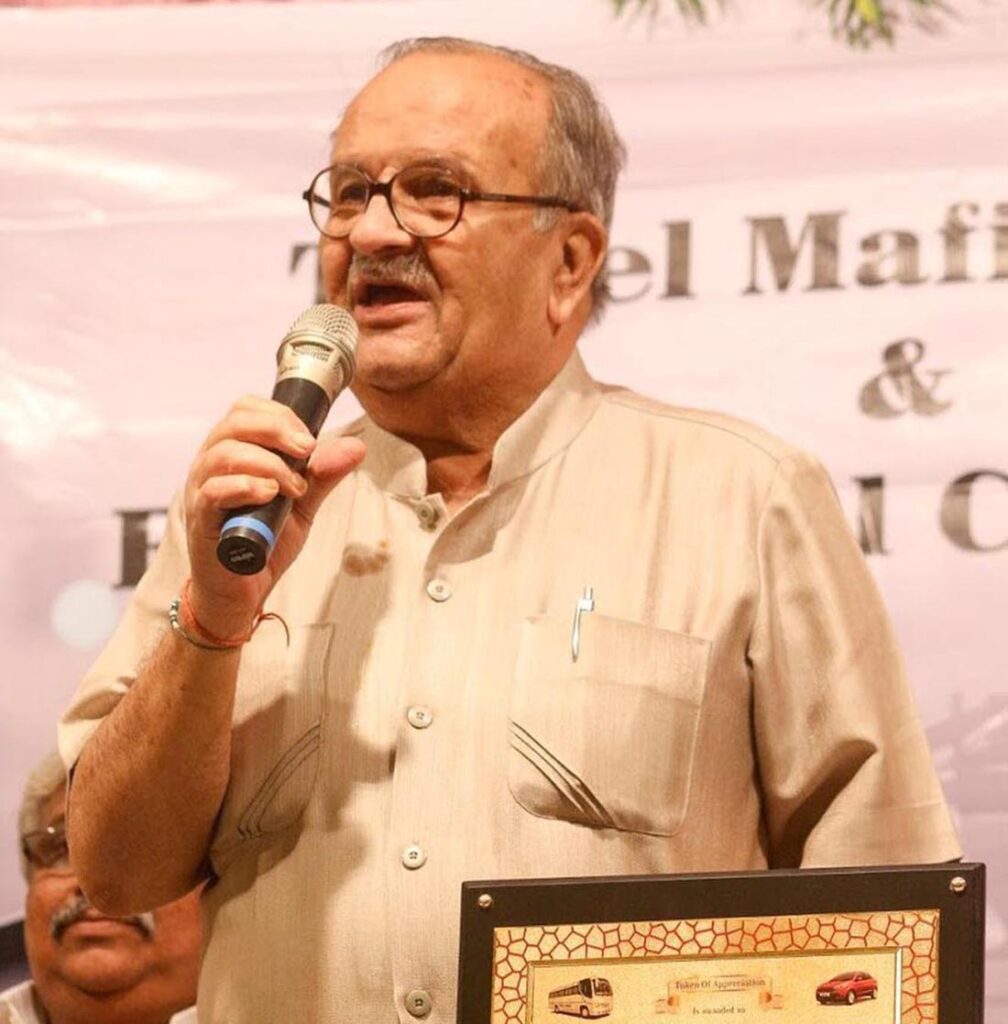
Kotak himself entered the business at a young age, learning every aspect from the ground up; from working as a cleaner and conductor to driving buses and assisting in the garage. This early exposure continues to influence his hands-on approach to operations and decision-making.
A diversified fleet built for multiple segments
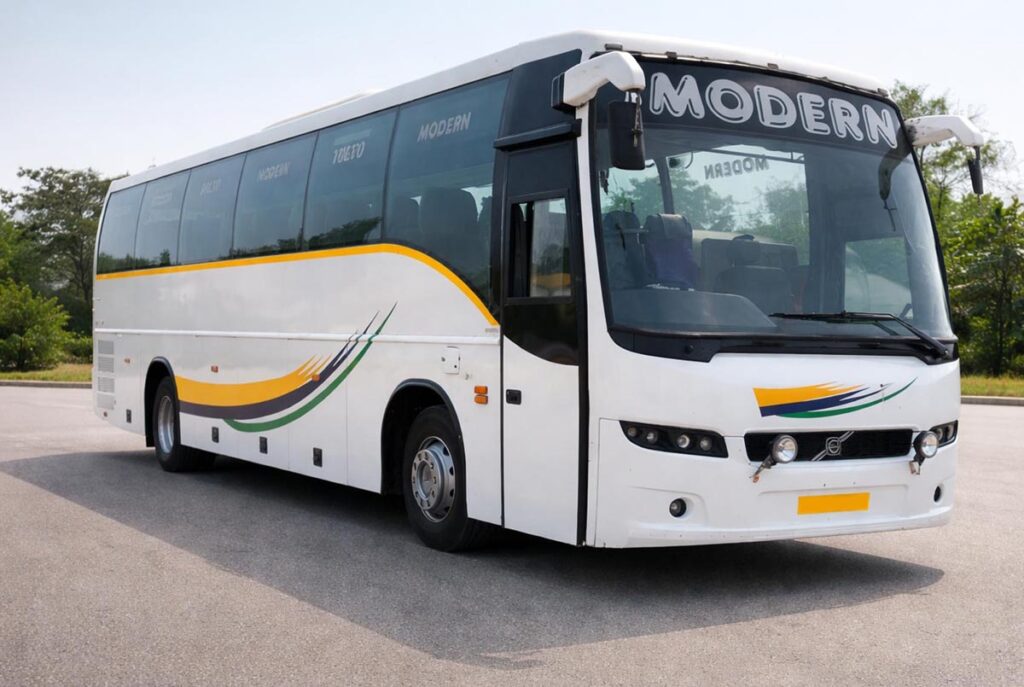
Today, Modern Transport Company operates a fleet of around 350 buses and 130 cars, focusing on intercity travel, corporate transport, PPP deployments, and specialised assignments such as election logistics and institutional contracts. The company has consciously stayed away from the school segment, choosing instead to build depth in higher-value and large-scale operations.
Its fleet includes sleeper coaches, Volvo buses, and a large number of vehicles from OEMs such as Tata Motors, Eicher Motors, Ashok Leyland, and Daimler India Commercial Vehicles. While Tata formed the backbone in the early years, the fleet has gradually diversified to suit different applications.
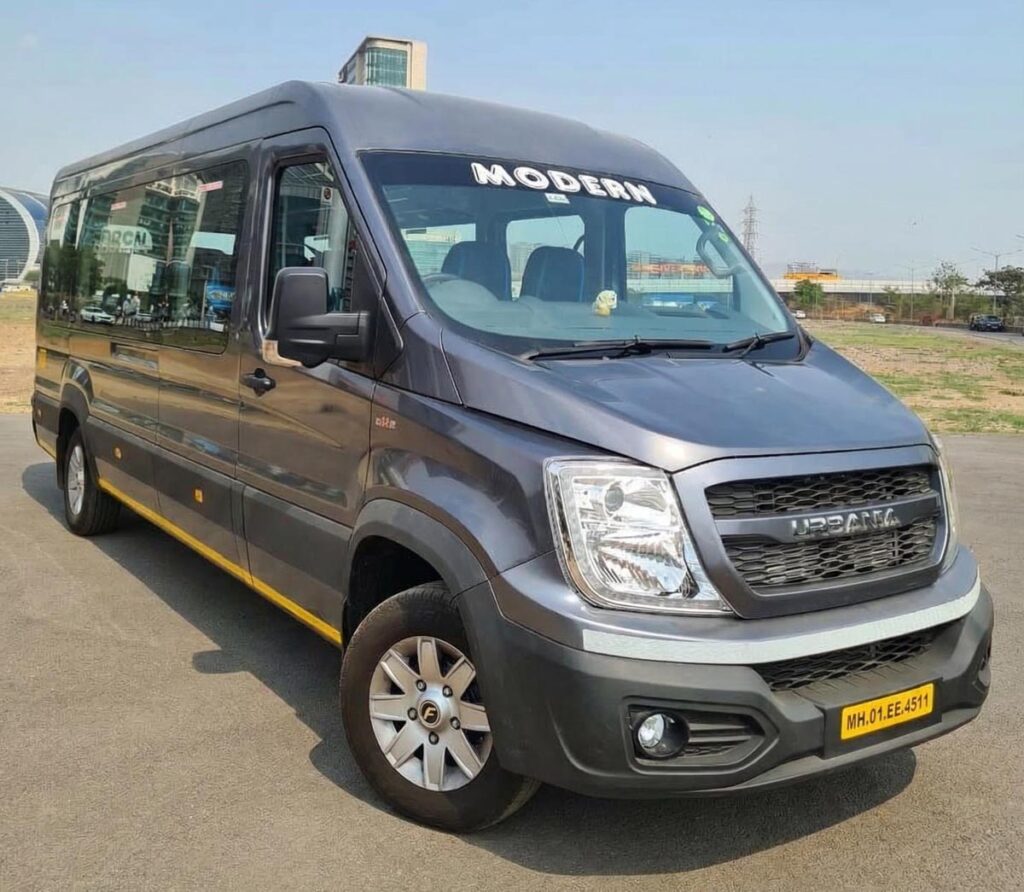
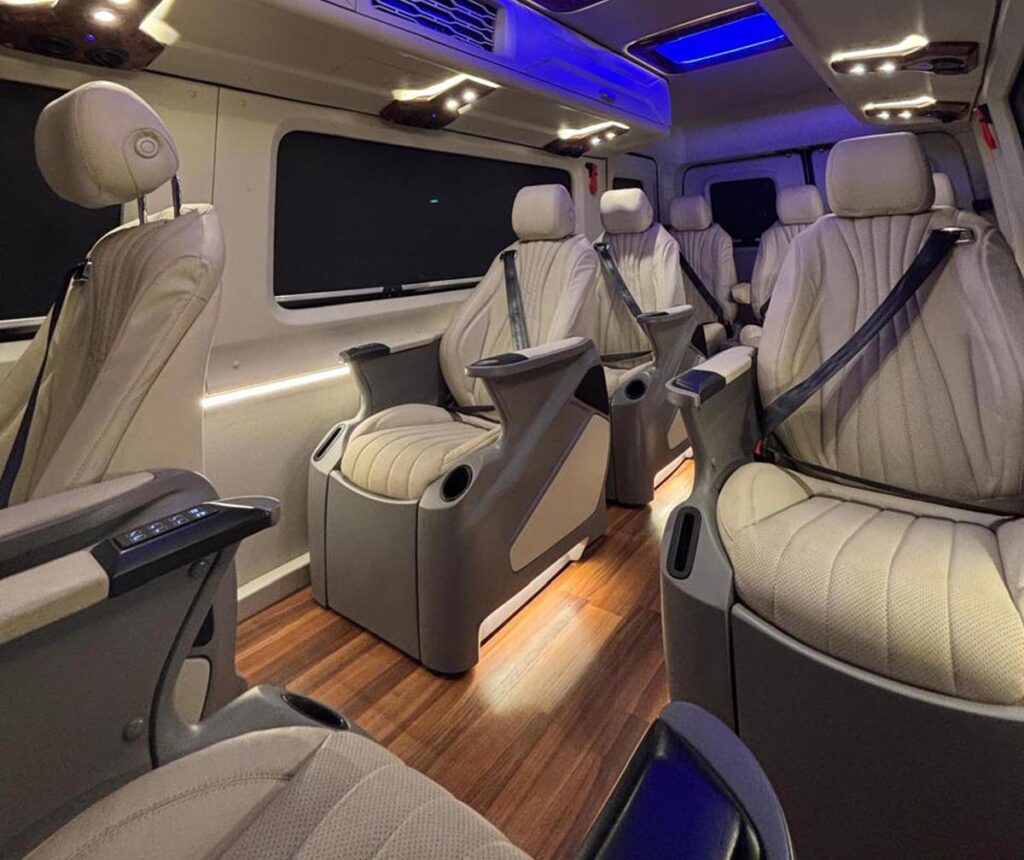
The company has also strengthened its premium segment post-COVID, adding high-end vehicles such as Mercedes-Benz, BMW, Toyota Vellfire, and customised vans to cater to corporates and luxury travel requirements.
“We align the product to the application,” says Mr. Kotak. “A corporate contract, a PPP route, and a premium charter all need different configurations. That clarity helps us deliver consistent quality across segments.”
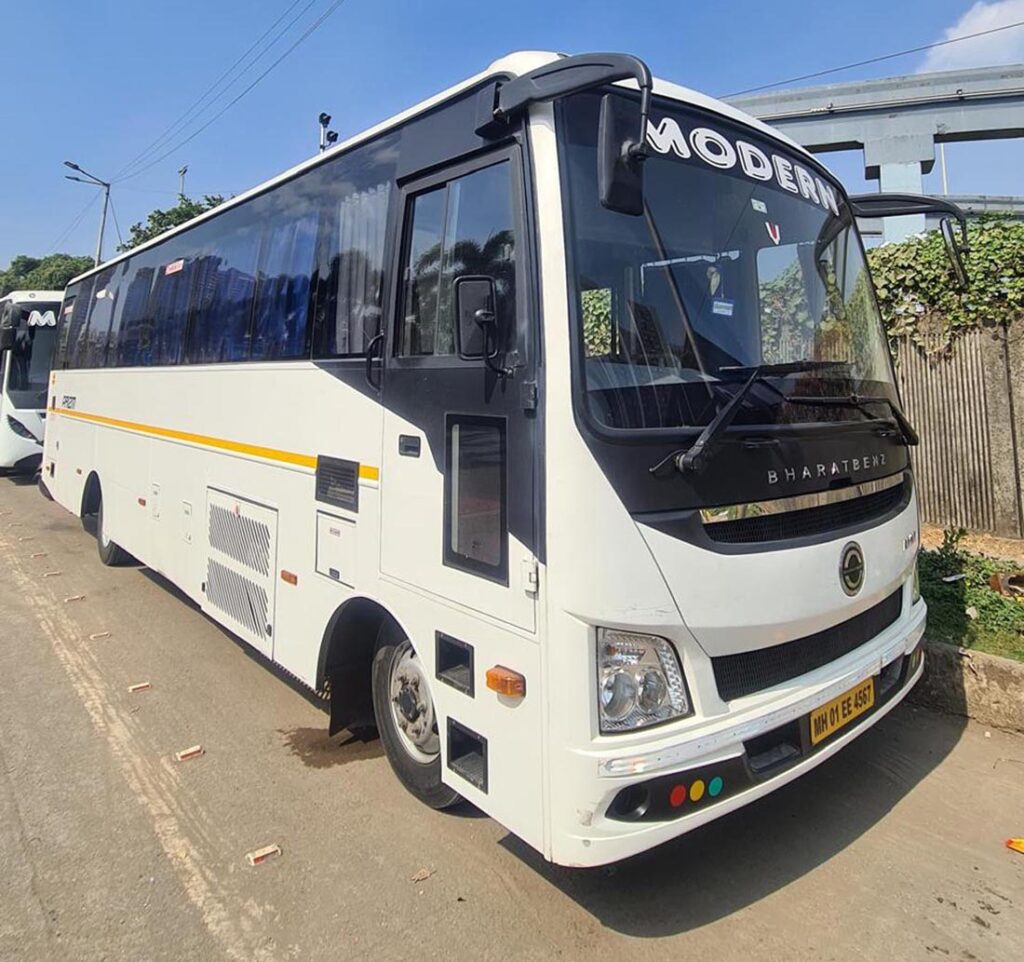
Body building remains a critical focus area, with partnerships across established fabricators such as Prakash, Sutlej, MG Coach, and Damodar. For faster deployment and standardisation, the company also sources fully built buses directly from OEMs in certain segments.
Strategic shift towards contracted and PPP operations
One of the most defining shifts in recent years has been the move toward contracted and PPP-based business. While legacy routes like Mumbai – Goa and Pune – Goa continue, the company has deliberately reduced exposure to speculative route operations.
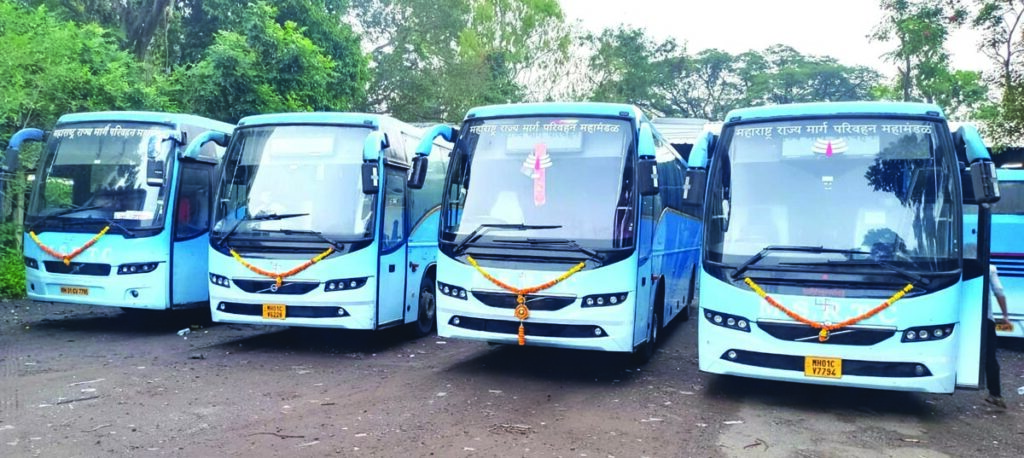
Modern Transport Company has been associated with the Maharashtra State Road Transport Corporation for over a decade and has also executed similar engagements in other states. This model provides predictability in revenue and operational planning, while also offering comfort to financial partners. “Contracted business gives us stability and visibility,” notes Mr. Kotak. “It allows us to plan our fleet, finances, and manpower far more effectively compared to open market operations.”
The company’s ability to handle large-scale deployments has further strengthened its positioning. From elections to major events, managing hundreds or even thousands of buses at short notice have become a core capability built on decades of trust and operational discipline.
At the same time, passenger behaviour has evolved. Demand for comfort, punctuality, and overall travel experience has increased, with sleeper buses gaining mainstream acceptance due to improved highway infrastructure. Occupancy on daily routes currently averages around 78%, reflecting steady demand in core markets.
Technology, people and operational discipline at the core
Technology adoption has accelerated across the business. Real-time tracking systems, digital ticketing platforms, and cost management tools now form an integral part of operations. A significant portion of bookings for daily services comes through platforms like Redbus, Abhibus, and Paytm, reflecting the shift towards digital channels.“The tools available today are practical and impactful,” says Mr. Kotak. “From tracking to ticketing, technology is helping operators run tighter and more transparent operations.”
However, the most persistent challenge remains driver availability. Despite a strength of around 700 drivers, shortages are a daily reality. The company has responded by focusing on internal training and long-term retention, supported by a core group of experienced drivers who have been with the organisation for decades. “Driver shortage is something every operator is dealing with,” Mr. Kotak points out. “We have learned that building and retaining our own talent is the only sustainable way forward.”
Safety is deeply embedded in the company’s culture. Structured training, strict pre-departure checks, fatigue management, and real-time monitoring systems ensure high standards are maintained across operations. “I have driven these buses myself,” says Mr. Kotak. “That experience changes how you look at safety. It is not a policy; it is a responsibility you carry every day.”
Maintenance, too, is treated as a core discipline rather than a support function. With in-house facilities and preventive schedules, the company ensures high fleet uptime and consistent service quality.
Measured growth and a clear roadmap ahead
FY 2025–26 marked a phase of stable growth, with turnover increasing by around 12%. While this represents a moderation from the strong post-pandemic rebound years, it reflects a more balanced and sustainable trajectory amid external uncertainties.
Looking ahead, the company sees strong potential in premium intercity travel, expansion of PPP operations, and the gradual adoption of electric buses. While EVs are still under evaluation due to cost and infrastructure considerations, emerging leasing models are making the segment more accessible. “EVs will come into our fleet at the right time,” says Mr. Kotak. “The ecosystem is evolving, and we are studying it carefully before making a move.”
Diversification into the passenger car segment since 2022 has added another growth avenue, with corporate rentals emerging as a natural extension of existing capabilities. Reflecting on the broader industry, Mr. Kotak remains optimistic. “Passenger transport in India is at an inflection point. Expectations are rising, infrastructure is improving, and organised players have a real opportunity to lead the next phase of growth.”
With a legacy built on trust and a strategy rooted in practicality, Modern Transport Company continues to adapt without losing sight of its fundamentals. The road ahead may be challenging, but the direction is clear; steady, disciplined, and focused on long-term value.