India’s auto dealership ecosystem is at a turning point—becoming more structured, data-driven and future-ready, with resilience and collaboration shaping a more balanced, modern retail landscape.
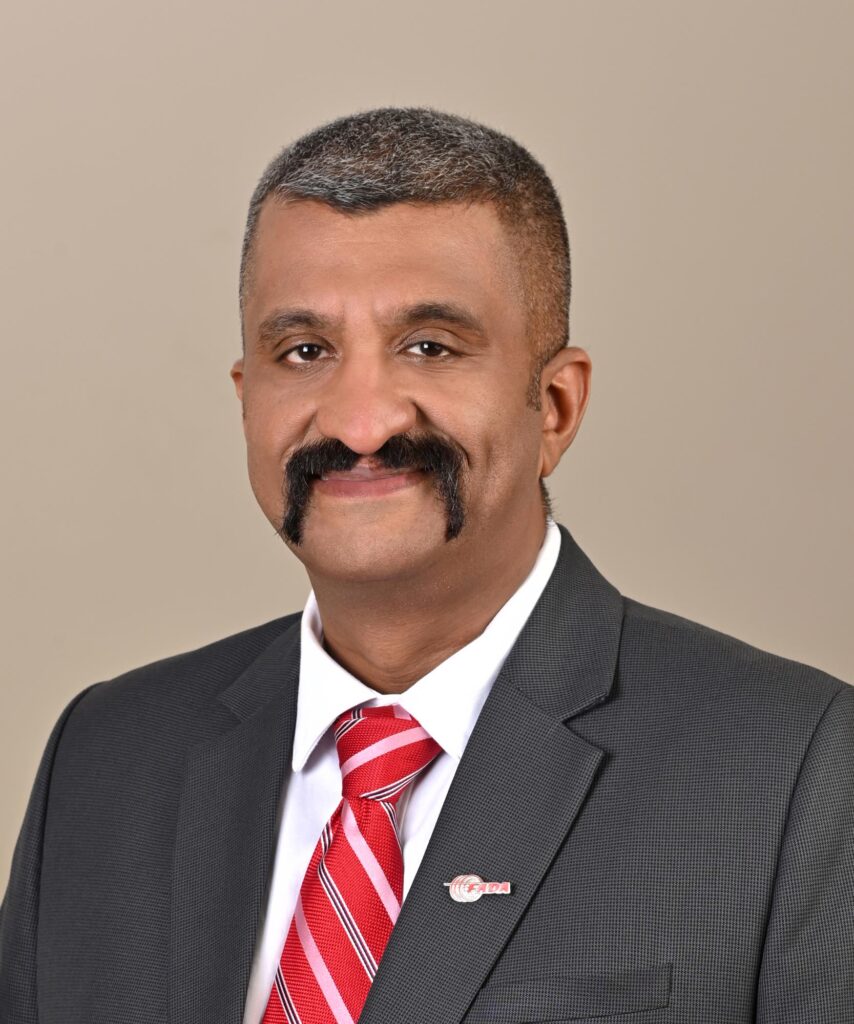
Walk into any car showroom in India and what you see is polished, organised and customer-focused. But behind that neat front lies a much more complex and evolving ecosystem—one that is quietly being reshaped by regulation, technology, and changing market realities. At the core of this transformation is the Federation of Automobile Dealers Associations (FADA) – the apex body of automobile retail industry in India, working closely with dealers, OEMs and policymakers to solve some of the industry’s toughest challenges.
Speaking to this publication, Mr. C. S. Vigneshwar, President, FADA, said currently the ongoing tensions in West Asia are beginning to raise concerns across the automotive ecosystem, particularly around supply chains. OEMs indicate that if the situation continues, it could disrupt the availability of key components, many of which are petroleum-based, such as plastics and such things. In addition, fuel and gas—critical for manufacturing processes like painting and component production—could face constraints, potentially impacting vehicle production and supply.
For dealerships, the immediate concern is availability of vehicles. However, there is cautious optimism. India’s strong domestic demand continues to act as a buffer, with steady growth driven largely by internal consumption rather than external dependencies. “West Asia crisis would affect our thought process on being positive. But end of the day, India’s growth has been largely due to its own domestic consumption. The domestic market is very strong. We’ve been growing at plus 20% during the last six months and it is not going to disappear. It may probably come down a few percentage points because of the crisis in the stock markets and in terms of exports. There could be a slight blip in between, but the consistent growth is assured,” he highlighted.
Driving Uniformity Ahead
For years, one of the biggest concerns has been the uneven implementation of Central Motor Vehicle Rules across States. Different interpretations created confusion and inefficiencies for dealers operating across regions. FADA stepped in, engaging with government bodies to bring more consistency. While progress has been made, the work is still ongoing, Mr. Vigneshwar said.
Fixing Retail Fairness
Another deeper issue, according to him, lies in dealership agreements. In many developed markets, the relationship between manufacturers and their dealer or distributor networks is guided by clear legal frameworks such as a Retail Protection Act (RPA). These regulations ensure that agreements are balanced, transparent and fair for both sides. In India, however, such a framework is still missing, leaving a critical gap in how business relationships are structured across industries. This becomes even more critical in situations where OEMs exit the market.
Dealers, who invest heavily in infrastructure and upgrades, are often left stranded, he said.
This issue is not limited to automobile dealerships, even though they form a significant part of the ecosystem. It extends to electronics, consumer goods and other distribution-led sectors, where agreements between principals and partners often lack balance. “In many cases, the problem is not deliberate unfairness, but rather the absence of a structured, updated approach. Agreements are frequently drafted using legacy templates—some dating back decades—copied and reused without being adapted to today’s market realities,” he pointed out.
As a result, many of these contracts fail to reflect the evolving dynamics of business, technology and customer expectations. Dealers and distributors often find themselves operating within frameworks that do not adequately protect their interests or recognise their role in value creation.
Recognising this gap, industry stakeholders have been actively engaging with policymakers, including Members of Parliament, State leaders and Chief Ministers, to push for a more structured and equitable system. The aim is to introduce RPA that ensures fairness in principal-to-principal agreements while maintaining the flexibility needed for business growth.
To support this effort, a model agreement has been developed based on extensive research. Drawing insights from nearly 200 dealership agreements across 25 countries, the exercise has helped identify key differences between how such partnerships are structured in India versus global markets. This comparative understanding is now shaping a more balanced framework—one that reflects global best practices while addressing the unique needs of the Indian market, he said.
At its core, the push is about bringing fairness, clarity and modern thinking into long-standing business relationships—ensuring that as industries evolve, the frameworks governing them evolve too. The push for better agreements is not just about business—it is about protecting long-term investments and trust in the ecosystem.
Stronger Together Ahead
Despite these challenges, the relationship between OEMs and dealers remains strong, Mr. Vigneshwar reiterated. It is built on decades of collaboration, shared goals and constant communication. The relationship between OEMs and dealerships is not just transactional—it is deeply interdependent and built over decades. Both sides understand that success is shared; when one grows, the other naturally benefits. This mutual reliance has helped shape one of the most enduring and mature business partnerships in the automotive industry.
Over time, this relationship has evolved into a more open and collaborative one. Platforms like FADA play a key role in bringing both sides together—through regular interactions, industry events and direct engagements—creating space to exchange ideas, address concerns and find ways to move forward. Even during challenging phases, dialogue remains at the centre, helping both OEMs and dealers navigate complexities together.
Beyond the professional framework, there is also a strong personal dimension. Many dealer-OEM relationships span generations, built on trust, familiarity and shared experiences. For some, these associations go back decades, evolving from formal partnerships into deeply rooted connections.
Mr. Vigneshwar recalled that his connection with the business goes back to when he was just six years old. That was when his family first became dealers for VECV—nearly four decades ago.
What began as a childhood memory has now grown into a legacy, with the business being carried forward by the third generation. As a young boy, he remembered meeting senior leaders from the company—people he fondly addressed as uncles and elder brothers. Today, those same relationships have come full circle. He now interacts with them as professional counterparts, carrying forward not just a business, but a bond built over years of trust, familiarity and shared growth.
In many ways, this blend of business alignment and personal trust continues to define the OEM-dealer ecosystem—making it not just resilient, but also uniquely collaborative as it adapts to a changing automotive landscape, he explained.
Driving With Data
As the automotive ecosystem becomes more connected and data-driven, dealerships are no longer just the face of OEMs—they are becoming part of decision-makers powered by real-time insights. Recognising this shift, FADA has steadily built a strong foundation around retail data, changing how the industry understands market performance.
For years, the industry relied largely on wholesale numbers, which only reflected dispatches to dealers. FADA changed that narrative by focusing on retail data—what is actually sold to customers. Mr. Vigneshwar explained it with a simple example. “If someone asks how many kilometres you drove today, you wouldn’t talk about what you plan to do tomorrow—you would talk about what you have already done,” he said. For him, the same logic applies to the auto industry. Dispatching vehicles to dealerships is just about moving stock; it doesn’t reflect real demand. Over the years, he has come to firmly believe that the true measure of performance lies in retail—vehicles actually sold to customers. That shift in thinking, from stock movement to real sales, has shaped how he viewed the business and the importance of tracking what truly matters on the ground.
Over time, this evolved from basic reporting into a highly detailed and structured dataset, covering segments, fuel types, rural and urban splits, and the gap between wholesale and retail trends, he explained. Today, this data has become a trusted benchmark not just for OEMs, but also for insurance companies, financial institutions, and even for the Commerce Ministry and the RBI. It reflects the real pulse of the market, enabling more accurate planning and forecasting across the value chain, he mentioned.
Skills that Scale
Alongside data, the apex body has also invested in capability building through the FADA Academy. In collaboration with institutions like NMIMS and IIT Delhi, it offers specialised programmes designed specifically for dealership professionals. These courses focus on interpreting data, making informed decisions, and running modern, efficient dealerships. Together, this focus on data and education is helping dealerships move beyond intuition to insight—ensuring they remain relevant and competitive in an increasingly digital automotive landscape, he noted.
Bridging Skill Gaps
As vehicles become more advanced, dealerships need skills that go beyond mechanics—covering electronics, diagnostics and customer communication. OEMs continue to train teams, but with rapid tech changes, a more structured approach is essential, he observed. This is where the Automobile Skill Development Council (ASDC) plays a key role, bringing industry and government together to build skilled talent through dedicated training centres. This helps dealerships access ready manpower while managing costs. At the same time, evolving technologies like EVs are changing skill requirements, while more informed customers are raising expectations. Interestingly, while EVs bring new learning requirements, they are also simpler in some ways. Diagnosis and servicing can be easier compared to traditional internal combustion vehicles. But the real shift is in customer behaviour—buyers today are more informed, asking sharper questions and expecting better explanations. Through continuous training and industry collaboration, FADA is helping dealerships stay ready for this shift, he mentioned.
In many ways, India’s auto dealership ecosystem is at a turning point. It is becoming more structured, more data-driven and more future-ready. And while challenges remain, the journey ahead looks steady—built on resilience, collaboration and a clear push towards a more balanced and modern retail environment.