The intercity bus travel segment in India is undergoing a significant transformation, with technology, professionalism, and consumer-centricity driving its evolution. Founded in 2019, IntrCity SmartBus is at the forefront of a significant transformation in India’s intercity bus travel segment,
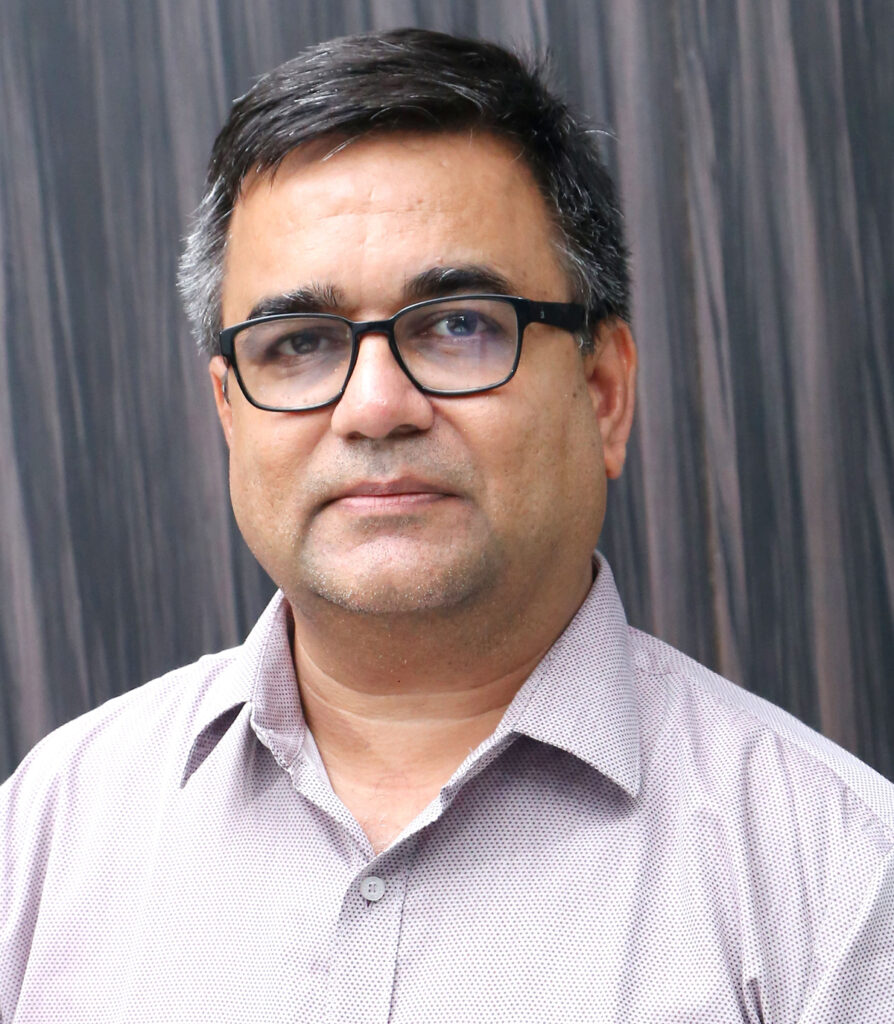
where technology, professionalism, and consumer-centricity are reshaping the industry. Speaking to MOTORINDIA, Manish Rathi, Co-founder & CEO, IntrCity SmartBus, shared insights into the company’s growth journey, its strong partnerships with operators, and its vision for the future.
Rapid Expansion with Profitability
Rathi began by outlining IntrCity’s current footprint. Founded in 2019, the company is now in its sixth year of operations. “We are present across India today, with the largest footprint in the South and rapid growth in the North and West. We already connect over 80 to 90 major towns and by the end of this year, we expect to reach around 650 services across India. Importantly, we have achieved profitability,” he said.
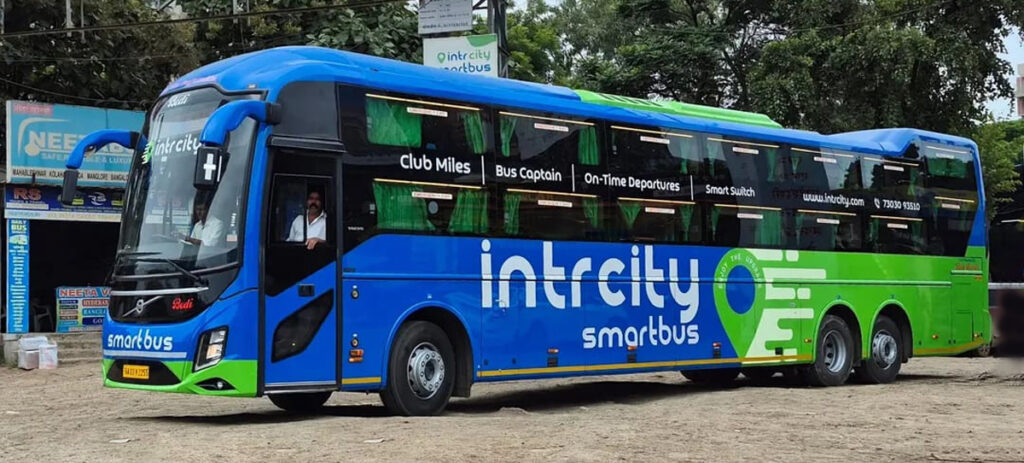
A key enabler of this growth has been IntrCity’s asset-light business model. Rathi explained, “We run as an asset-less business, which allows us to deliver value both to our consumers and to our operator partners. Business economics, technology, and proximity to consumers are the three critical factors for building a successful intercity service.”
Partnering Operators for Shared Growth
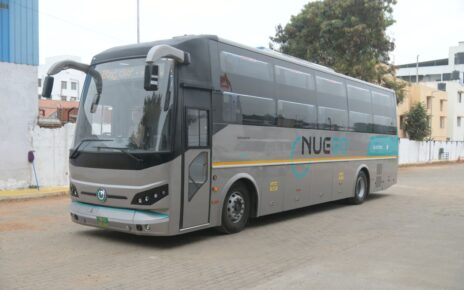
IntrCity currently works with about 80 operators across the country, all operating branded SmartBuses. By the end of the year, more than 70 of these will be fully branded buses. This collaborative model has proven mutually rewarding. “We have operators who started with just two buses five years ago and now run 46 with us. It’s a win-win – we manage the consumer side while operators manage the buses. Together, we build value,” Rathi pointed out.
Reliability and Rising Travel Sentiment
The bus industry, often considered informal in the past, is today gaining unprecedented reliability. Rathi observed: “Travel sentiment remains consistently high year-on-year because buses can scale to meet demand better than most other platforms. Improved roads, better bus technology, and enhanced services from players like us have built real confidence among travellers.”
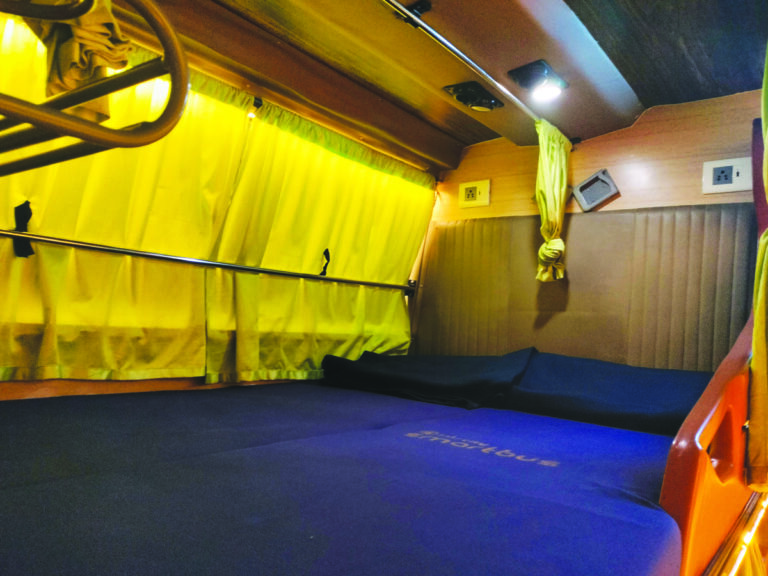
This sentiment was validated by MOTORINDIA’s own N. Balasubramanian, who shared a positive personal experience of recent bus travel, underlining the qualitative shift the industry has seen.
Professionalisation and Consumer Value
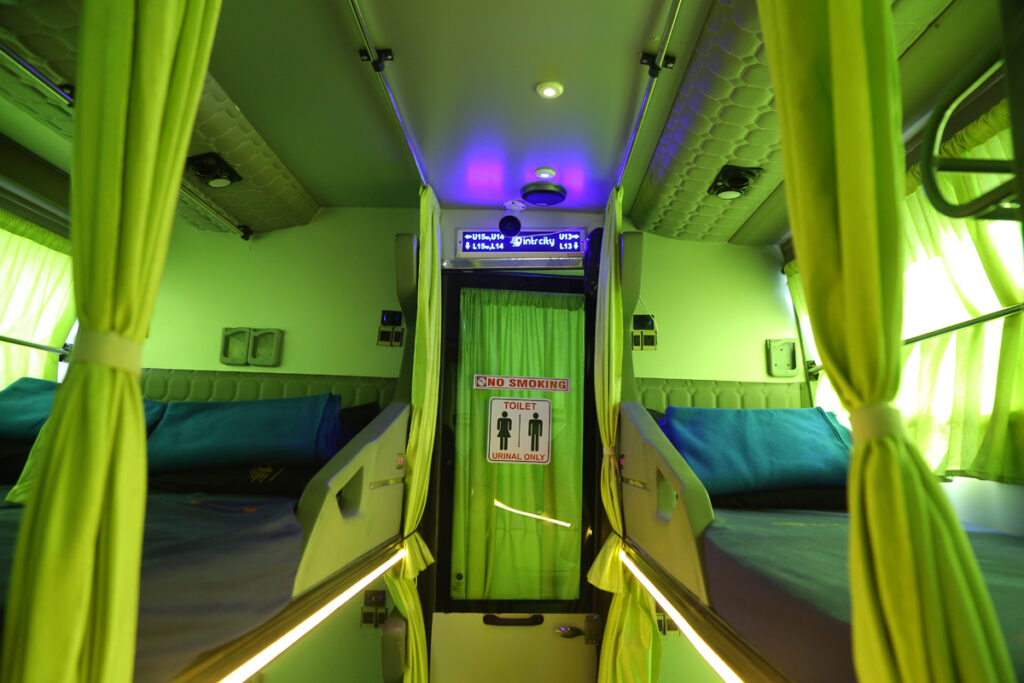
Rathi was clear that the industry must professionalise further to attract more users and make buses the primary choice of transport. “The complete value chain must align – from manufacturers to service providers. Something as basic as washrooms or charging points should be designed into the buses from the start. These things matter to consumers,” he said.
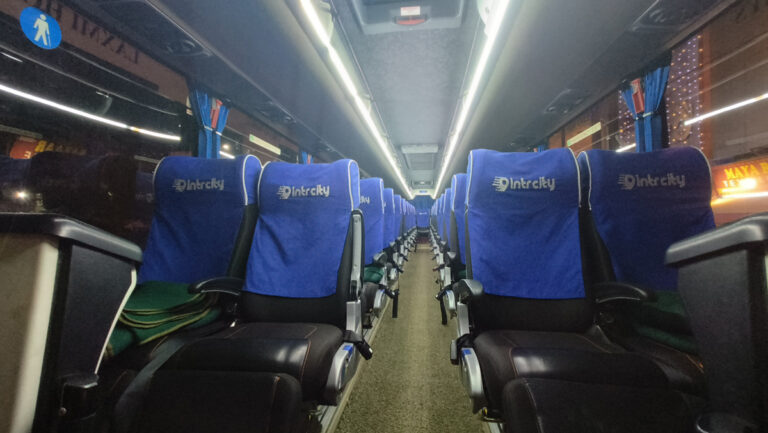
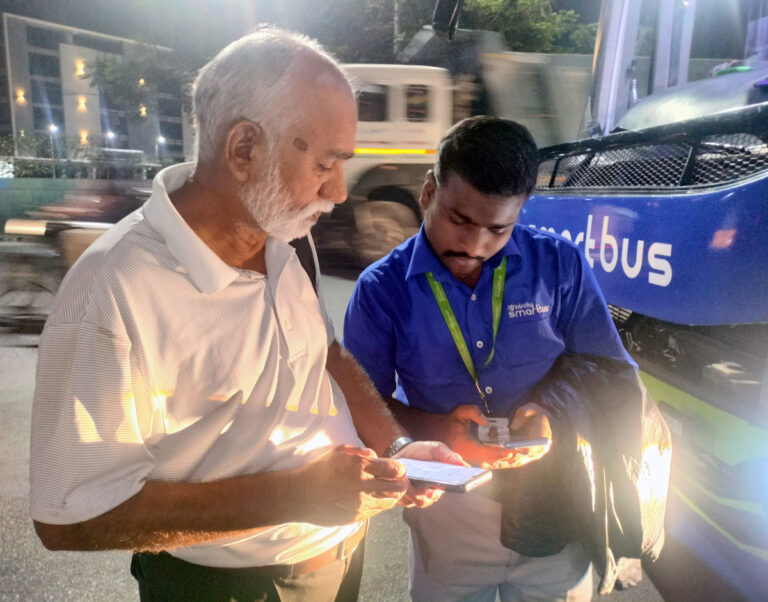
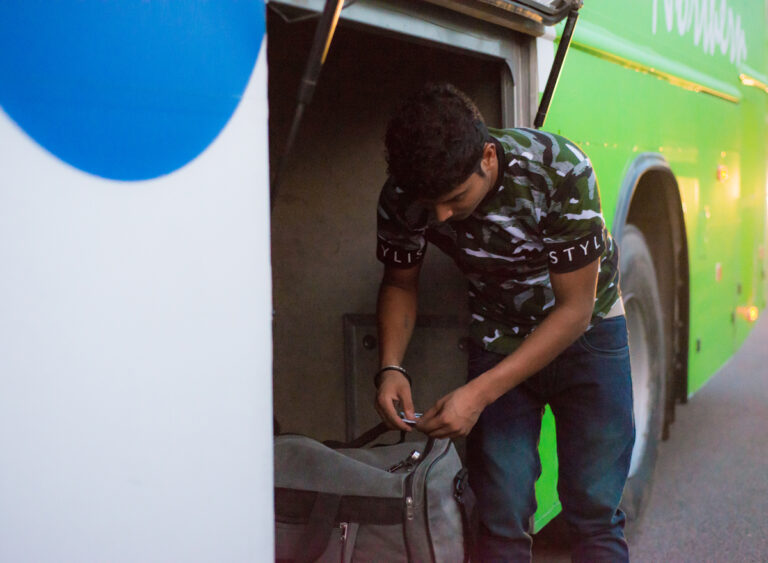
IntrCity has invested heavily in improving the consumer experience. “We introduced features like luggage tags, smart switches, and pickup guide videos to ease the journey. Real-time information helps travellers navigate dynamic road conditions. Information-based tracking, alerting mechanisms, and roadside assistance make travel stress-free, especially for those unfamiliar with pickup or drop points,” Rathi explained.
Challenges and the Need for Standardisation
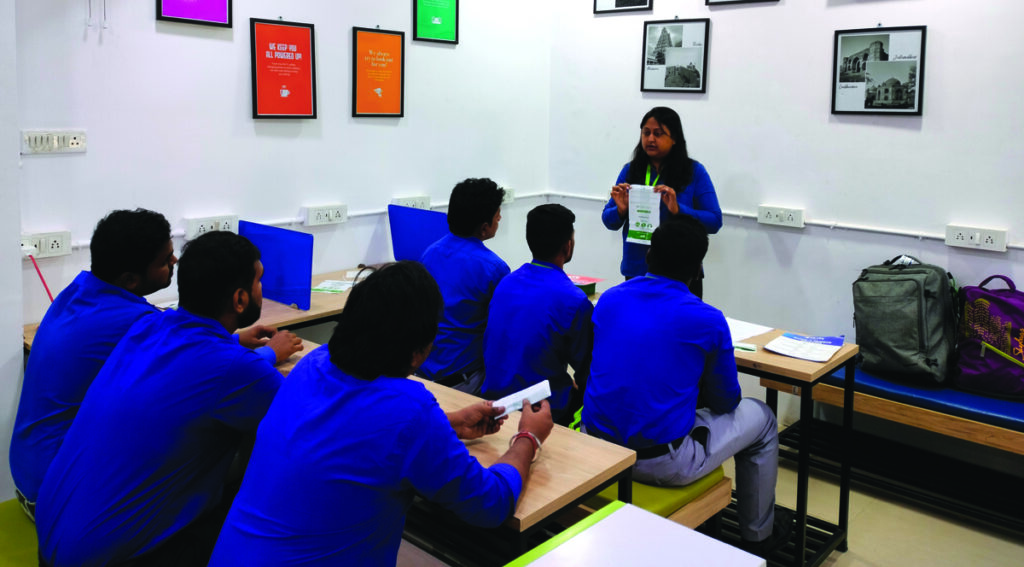
Despite progress, Rathi acknowledged the sector’s challenges. “Standardisation is still missing in manpower training, working conditions, and in boarding or dropping points across states. South India has well-organised systems, but other regions need to catch up. Consumers now expect facilities like bus captains and lounge access – integrating all these fragmented pieces into a connected mechanism will elevate the industry to the next level.”
Why the South Leads the Way
Asked why the South continues to be the most mature bus market in India, Rathi pointed to geography, entrepreneurship, and consumer awareness. “The region’s geography makes buses a viable alternative to trains and flights. More importantly, the second- and third-generation operators here are extremely entrepreneurial and take greater risks. The consumer base is also very demanding, which pushes continuous improvement,” he observed.
Technology as a Growth Engine
Underlying IntrCity’s expansion is its heavy reliance on technology to manage operational complexity and enhance consumer touchpoints. “Technology has been instrumental in helping us scale. For instance, video guides for boarding points solve problems unique to India, where Google Maps may not be sufficient. These are real, localised solutions that technology enables,” Rathi noted.
Future Outlook
Looking ahead, IntrCity has set a bold growth target. “We are working towards a Rs. 1000-crore revenue milestone by 2027, expanding deeper into tier 2 and tier 3 towns and increasing cross-connectivity between states,” Rathi said. He also envisions structural innovations for long-distance travel. “We see potential in building transit hubs where multiple operators connect, similar to the Greyhound model in the US. By creating a standardised platform for multi-leg journeys over 1000–1500 km, we can unlock new travel possibilities where trains don’t always connect cities.”
Shaping the Future of intercity Travel
From an asset-light model to operator-first partnerships, consumer-friendly innovations, and a vision of pan-India connectivity, IntrCity SmartBus has steadily raised the bar for intercity travel. As Rathi summed up, “It’s about integrating all pieces – business economics, technology, and consumer proximity – to create a reliable, professional, and scalable bus travel ecosystem.”