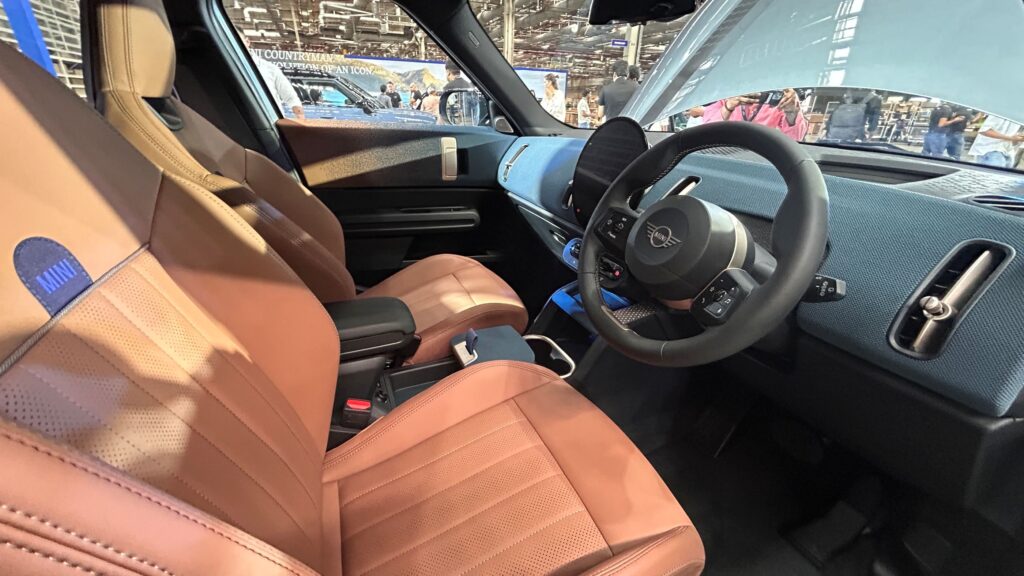
Mini has never just been a car — it has always been an expression of life, personality, and the desire for something more. The Countryman C SUV, now built at the Chennai plant as its 11th model, is the latest chapter in that story.
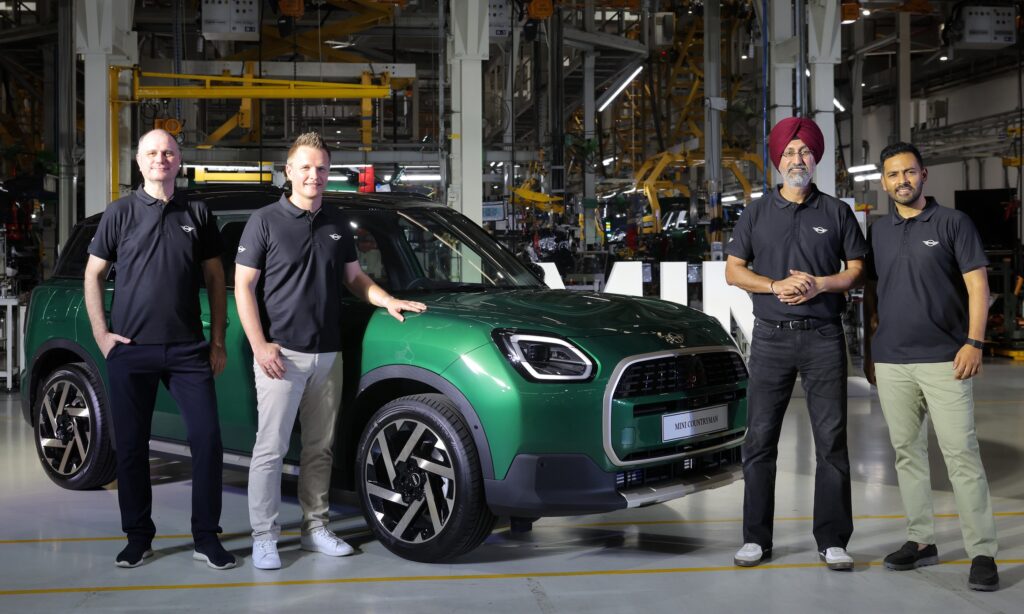
As customers across the world warm up to the idea of a compact SUV that carries the unmistakable MINI character, BMW Group India has responded with the all-new Countryman C — and in a significant move, chosen to build it right here in Chennai.
Indian buyers, Mr. Hardeep Singh Brar, President and CEO, BMW Group India, said, have evolved in step with their global counterparts. They want features, quality, and experiences that match the best in the world. The Countryman C is the answer to that expectation, he mentioned.
Since entering India in 2012, MINI has consistently offered customers an alternative to the predictable — packing in more personality, individuality, and driving excitement than most premium cars dare to. That bet is paying off. Sales are growing, the dealer network is expanding, and the MINI community in India is becoming bigger and more enthusiastic with every passing year. The lineup — the Hatch, the Convertible, and now the Countryman SUV — forms a portfolio that is as aspirational as it is unmistakably MINI, he said.
Today’s luxury buyer in India is no longer looking for something stiff and formal, pointed out Mr. Brar. They want personality, practicality, and a touch of playfulness. The Countryman C delivers exactly that — big enough for the whole family, stylish enough for the city, and adventurous enough for those spontaneous weekend getaways. It fits seamlessly into everyday life while still managing to stand out wherever it goes.
Larger Story of MINI
When Sir Alec Issigonis, the British automotive designer, created the original MINI in 1959, he gave the world far more than a car. He introduced a bold idea — one built on design, innovation, and that distinctive go-kart driving feel. Since then, the brand has always stood for something beyond transportation.
According to Mr. Florian Kuenstner, Vice President of MINI for the Asia-Pacific, Africa, and Middle East regions, BMW Group, the brand evolved into an expression of life, of personality, of people who simply want more from their vehicle — an icon that never quite grows old, “always retaining that twinkle in the eye” even as it adapts with the times.
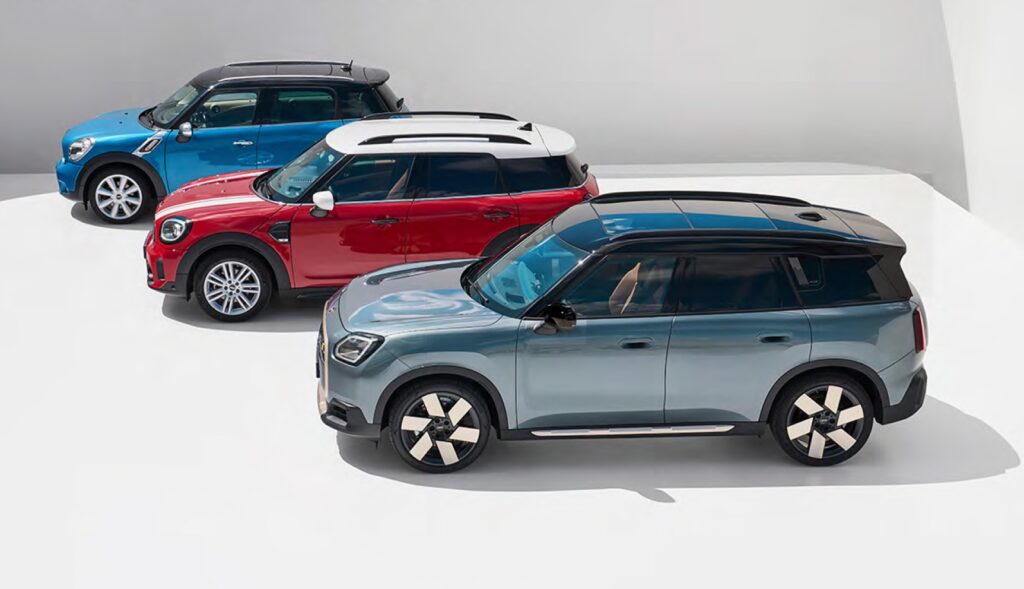
Over the decades, the MINI family has grown to meet very different needs. The iconic three-door hatch remains the face of compact urban mobility, while the Convertible represents pure open-air freedom. The Countryman, however, marked something genuinely bold for the brand — MINI’s first SUV, and proof of its progressive mindset. It gave the brand more space, more versatility, and a stronger road presence, all while staying true to that legendary go-kart spirit. In doing so, it redefined what a bigger MINI could be, turning a beloved British icon into a versatile, family-friendly adventure vehicle. India, as one of the world’s fastest-growing markets, is playing an increasingly important role in carrying this global momentum forward, he added.
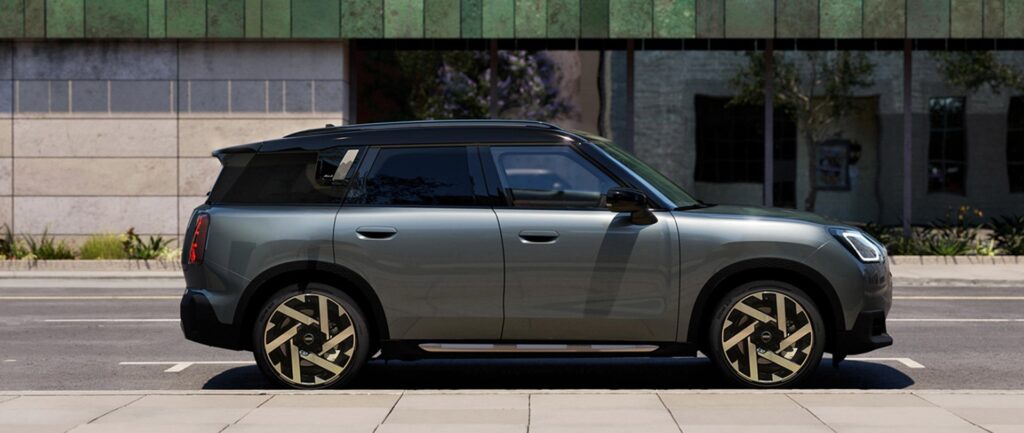
MINI Countryman C Joins Locally Built Family of 11
What BMW Group has built in Chennai over the years is a quiet but compelling example of premium manufacturing done the Indian way. Every car that rolls out of this plant, according to Mr. Thomas Dose, MD, BMW Chennai Plant, meets the same global quality standards as any BMW facility anywhere in the world — a result of modern manufacturing technology, advanced machinery, and a highly skilled local team working in tandem. The Chennai plant now locally produces 11 models — with the Countryman C being the latest addition — supported by 12 Indian suppliers and localisation levels reaching up to 50%. With an annual production capacity of 17,500 units, the facility is well placed to support BMW Group India’s continued growth. As Mr. Dose noted with a smile, 11 happens to be the magic number in football and cricket, and with the Countryman C now in the fold, the lineup finally feels complete.
Seamless Flexibility
Adding the Countryman C to the lineup required remarkably little disruption. Mr. Dose put it simply: “it was more or less a copy-and-paste from the main plant. The facility has long been built for exactly this kind of flexibility, producing everything from the compact MINI to the full-sized BMW X7 on the same production line without missing a beat. The secret lies in what the plant calls a unique TAKT — a standardised cycle time of 10 minutes per vehicle, regardless of the model being assembled.”
For more complex vehicles, content is moved into sub-assembly stages — a cockpit, for instance, is pre-assembled and simply merged into the main line within the 10-minute window. When a simpler model comes through, the headcount at each station is adjusted accordingly. The smartness, as Mr. Dose put it, lies with the people — not the machines.
Batches Prevent Errors
With 11 different models running on the same line, the risk of parts being mixed up is real. The plant addresses this by organising everything in batches of 24 vehicles. Every set of parts arrives pre-packed for exactly those 24 units, is checked at the station, and only the parts required for that specific workstation are kept at hand. Operators follow a strict process confirmation sequence — right torques, right tools, right materials — before a third person cross-checks and signs off. The quality audit standards used here are identical to those at BMW’s full-scale plants globally, and by those benchmarks, Chennai consistently ranks among the best, he explained.
Built For Growth
What started in 2007 as a single production line with a covered car park behind, has, over nearly two decades, grown into a two-line facility with an installed technical capacity of 3.5 times its current utilisation of 17,500 units annually. That headroom is deliberate, “as the plant was designed to be ready for growth well before growth actually arrives,” he said. On localisation, the current 50% level is tied to an advanced ruling agreement that enables lower import duties on the remaining components. With new Free Trade Agreements on the horizon, the plant will continuously reassess whether local production or importing fully built units makes better business sense — but either way, keeping the facility in strong shape remains the priority, he noted.
AI Aids Logistics
On the question of AI and digitalisation, the plant takes a refreshingly grounded approach. Rather than deploying technology to solve problems that are not yet fully understood, the team insists on mastering every process manually first. “Only once a process is understood and working well does it get improved — and then automated. Currently, AI is being used primarily to manage the complexity of inbound supply chains, which the plant considers to account for 80% of its production system. Predictive tools help estimate arrival times and steer supply flows — a practical, no-nonsense application of technology where it genuinely adds value,” Mr. Dose signed off.
Also Read: https://aftermarketandservice.in/bmw-driving-the-next-phase-of-luxury-mobility-in-india/