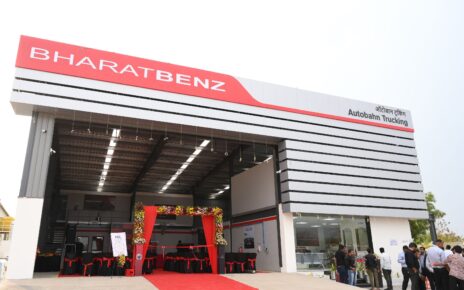
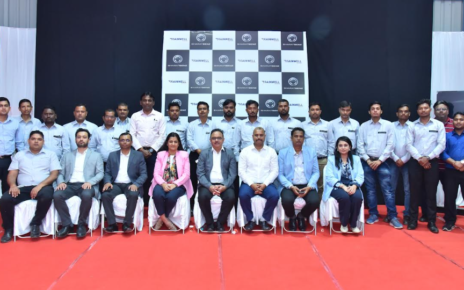
FY2024 was a defining period for GK Group, marked by strong achievements in two-wheelers, commercial vehicles and construction equipment. The group strengthened its presence across Chhattisgarh and Vidarbha through disciplined planning, consistent service standards and a sharp operational focus. With industrial activity rising in mining, infrastructure and manufacturing, FY2025 is expected to continue the momentum created last year.
Honda Motorcycle and Scooter India closed the year with a commanding 38 percent market share in Raipur. GK Honda contributed 10,844 units, which is the highest figure for the region in fifteen years. In commercial vehicles, Om Autowheels crossed a landmark 70 percent market share and reported a 67 percent increase in service revenue. GK JCB achieved All India Rank Two, crossed the milestone of 2,000 machines and received the Dealer of the Year award. The group was also recognised as Runner Up Best Group at the FADA Awards.
For Mr. Punit Parwani, Director and Chief Operating Officer, the results were driven by the organisation’s internal discipline. “We do not chase growth for visibility. We chase it for long-term stability. The performance in FY2024 reflects the processes and teamwork strengthened over several years,” he says. “Customer trust is built on predictable service and transparent engagement. That consistency drives our results.”

Mining, Infrastructure and Industrial Demand Power Growth
Chhattisgarh’s industrial structure has played a central role in supporting GK Group’s commercial vehicle and construction equipment business. Coal reserves in the north, iron ore in the south and the presence of steel, cement and power plants have created steady demand for haulage trucks, tippers and earthmoving equipment. The revival in mining and manufacturing has brought new opportunities for contractors and fleet operators.
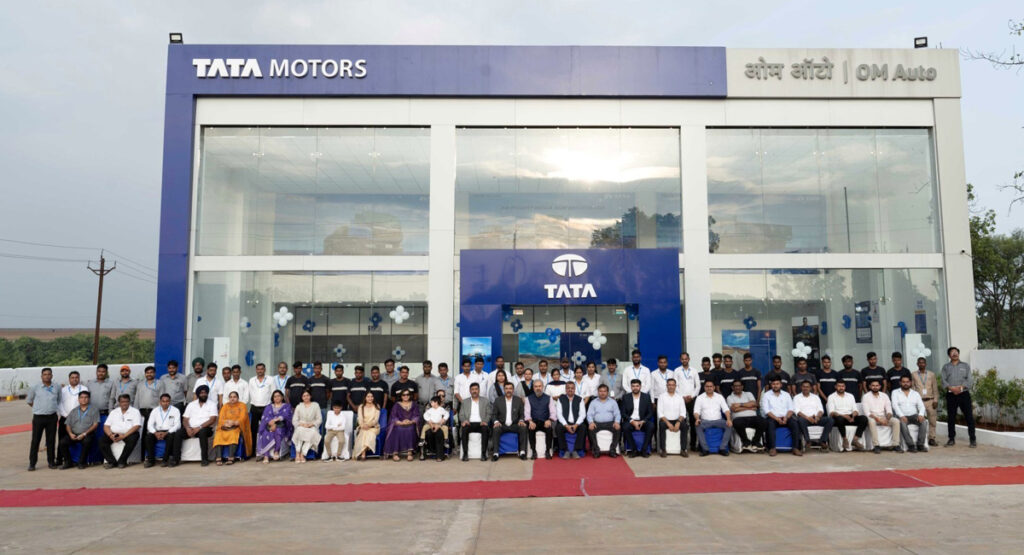
This has translated into strong movement across Tata Motors’ heavy, intermediate and last-mile vehicles. JCB backhoe loaders, excavators and compactors continue to support road construction and housing under PMGSY, PMAY and various connectivity improvement programs.

Mr. Parwani believes this upcycle is long term. “Mining output in Chhattisgarh is among the strongest in India and several major steel and cement companies are expanding capacity. This directly increases the need for haulage trucks, tippers and construction equipment. It is not a short-term spike but a long-term demand cycle,” he explains. Rural and urban construction activity has supported JCB volumes, while GST benefits and festive sentiment lifted Honda’s two-wheeler demand.

Preparing for an Alternate Fuel Future
As OEMs roll out multi-fuel product lines, GK Group has upgraded workshops and workforce capabilities to remain ready for the shift. Tata Motors already offers EV, CNG, LNG and hydrogen-ready vehicles. The group has aligned its infrastructure and training programs to support these technologies, even though alternate fuel adoption in the region is still at an early stage.

“We cannot wait for demand to rise before preparing,” says Mr. Parwani. “Our teams are trained, our infrastructure is aligned and we are ready for scale. When the shift happens, we want to be ahead of the curve.”
GK Group has also entered manufacturing with its electric three-wheeler brand GK Electric. Within two years, it has become the second largest EV three-wheeler brand in Chhattisgarh, competing with more than one hundred established players. Its progress is driven by durable components, low operating costs and practical designs for both cargo and passenger applications.
“EV adoption in small cargo and passenger mobility is rising faster than in heavy vehicles. We wanted to create products that genuinely reduce operating cost and deliver reliability. That focus helped GK Electric build its position quickly,” he says.
Digital Systems and a New Customer Mindset
Digital adoption has changed customer expectations across all segments. Contractors, transporters and two-wheeler customers now expect real-time visibility and clear information through connected systems.
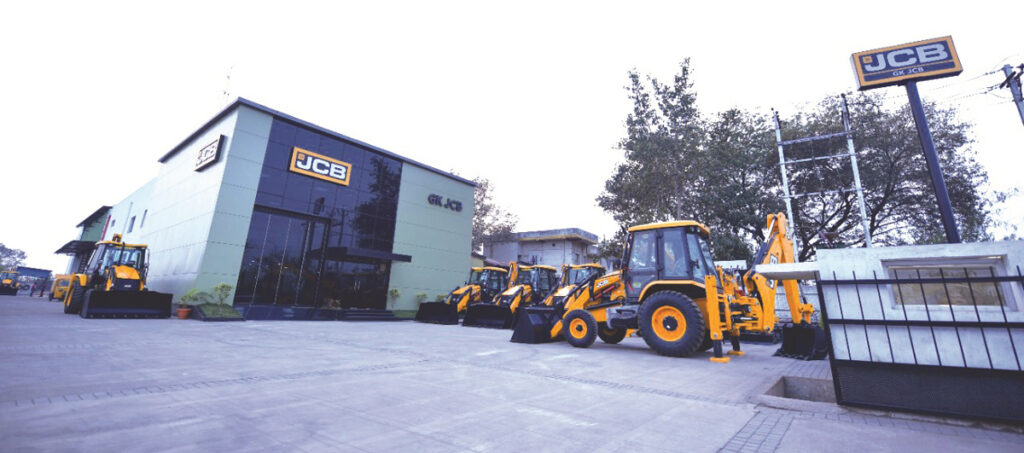
JCB’s LiveLink platform provides data on fuel levels, idle hours, location and machine health, helping customers reduce misuse and adopt predictive maintenance. Tata Motors’ Fleet Edge offers insights into driving behaviour, route patterns, uptime and fuel usage.
GK Group has built structured processes around these tools. The Customer Success Centre monitors Tata Motors trucks in real time and alerts customers to potential failures. Fleet Edge data is used to run mileage improvement programs. Predictive interventions have significantly reduced workshop visits and improved uptime.
“Our customers now expect clarity, accuracy and instant visibility,” says Mr. Parwani. “They want to know what is happening with their machine or truck without waiting for a phone call. Digital tools allow us to deliver that experience across JCB, Tata and Honda.”
Honda’s service ecosystem has adopted digital job cards, paperless workflows and SMS updates to improve turnaround time.
Strengthening Uptime, Service and Parts Management
In FY2024, GK Group recorded a 28 percent rise in workshop revenue. This was supported by round-the-clock breakdown assistance, FAST response teams and onsite service for large fleet operators. Predictive maintenance campaigns and telematics-based service reminders reduced the frequency of breakdowns.
The group has centralised parts management through a unified dashboard that tracks consumption, movement and ageing across locations. Inventory days improved from 60 to 45, which increased availability of fast-moving parts and strengthened working capital. GK Group also received the Best Parts Offtake recognition for FY24 and FY25.
“High uptime and high parts availability are two sides of the same equation,” says Mr. Parwani. “If one fails, the customer experience suffers. Our aim is to ensure every location follows a consistent rhythm of planning, stocking and servicing.”
People Development as a Core Enabler
GK Group places strong emphasis on workforce capability building. Dedicated trainers in Nagpur and Raipur conduct structured technical programs for JCB technicians. A skill matrix ranging from Level Zero to Level Three supports systematic progression based on certification and hands-on expertise. HRMS systems track individual performance and readiness.
“Machines can be bought and systems can be built, but without skilled and motivated people nothing sustains,” says Mr. Parwani. “Retention and development remain central to our growth philosophy.”
GK Group will continue expanding across Chhattisgarh and Vidarbha, which are among the fastest growing belts in mining, infrastructure and manufacturing. Honda will deepen rural reach. JCB will strengthen backhoe loader penetration and service points. Tata Motors will focus on mining and heavy tipper segments. GK Electric plans to enter Maharashtra, Madhya Pradesh and Odisha.
He summarises the direction clearly. “We are positioned across some of India’s strongest growth sectors. Our focus now is on building deeper, stronger and more agile operations that can support this demand for many years. The next phase is not about chasing scale. It is about strengthening capability.”