Building a successful software-defined SUV like the XUV 7XO, is not about adding more features—it’s about choosing the right ones, shaped by how people actually live, drive and value technology every day.
By T. Murrali
Designing a modern SUV today is no longer just about engines, space or styling. It is about choosing the right mix of software, hardware and everyday usability—without confusing or overwhelming the customer. Behind the scenes, carmakers are spending years trying to find what they call the “sweet spot”: features that customers truly value, priced right, and tuned for real-world use.
The journey of XUV 7XO began with listening said, Mr. Nalinikanth Gollagunta, CEO, Automotive Division, Mahindra Ltd. Speaking to this publication, he said, over four years, insights gathered from nearly three lakh customers of the earlier model became the foundation. Engineers and designers spoke directly to owners, “studied how features were actually used, and even noted what was ignored. These learnings were sharpened further by observing newer software-defined vehicles, helping teams understand where technology genuinely adds value—and where it simply looks good on paper,” he said.
One clear outcome was the idea of “hero features”. Some elements may be expensive, but customers see them as defining the car. Large triple-screen displays are a good example. Despite the cost, the company made standard across variants because buyers expect them. The same applies to panoramic roofs—now seen as a must-have, even if many customers rarely open them. Trends, it turns out, matter as much as logic.
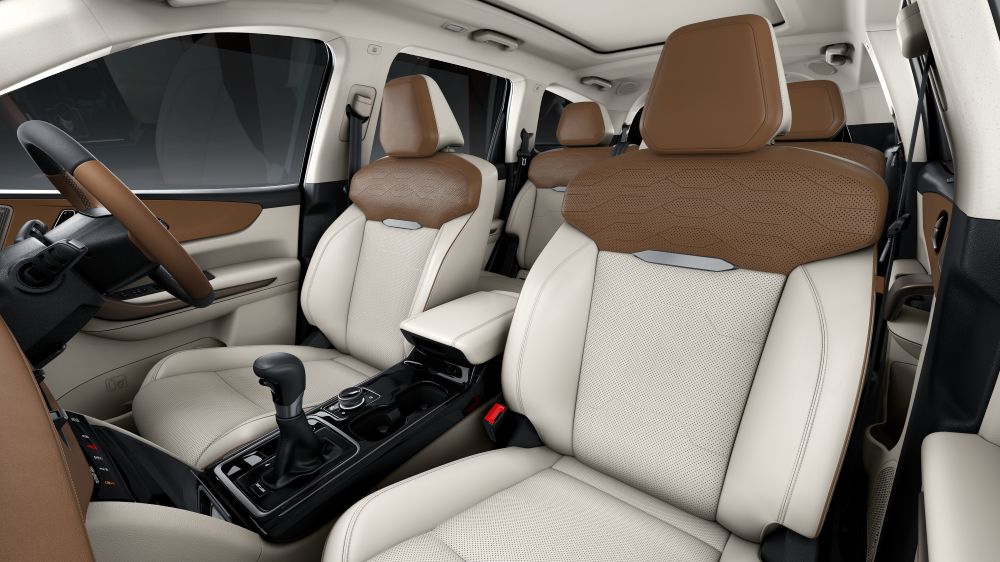
At the top end, according to Mr. Gollagunta, the benchmark is no longer local—it is global. Customers compare their cars to premium international offerings, which explains the inclusion of features like high-end audio systems, Dolby Vision and immersive surround sound. Even mechanical innovations are being pushed hard, with new suspension technologies developed to be best-in-class worldwide, not just good enough for the segment.
Some features have quietly shifted from “nice to have” to “non-negotiable”. Connected car technology is one of them. Being able to track the vehicle, check its status, or simply know where family members are, has become a basic expectation. As a result, non-connected variants are being phased out, and connectivity is now standard—even at entry levels, he observed.
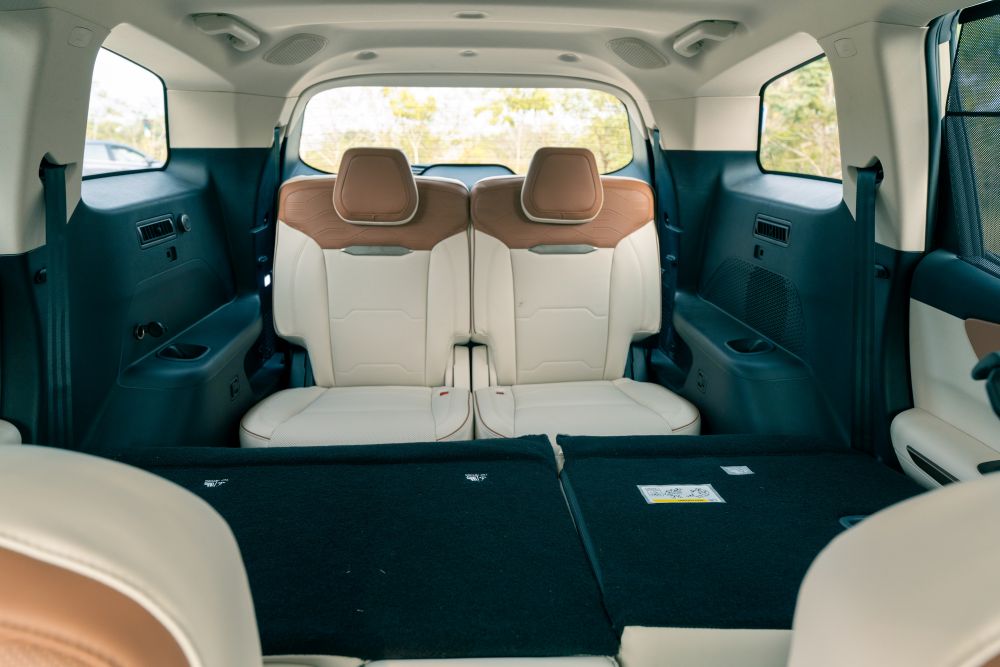
Customer behaviour has also reshaped body styles. While five-seater versions were once offered, feedback showed that buyers preferred seven seats—even if the last row stayed folded most of the time. The optionality mattered. So, the decision was made for seven-seaters.
None of this is easy to implement. Adding more features increases complexity, especially in software. Carmakers are still learning how to design intuitive user experiences, something software companies have done for decades. With dozens of functions packed into screens, the challenge is to keep the interface simple and safe. Testing has become deeper and smarter, with advanced simulations helping teams catch issues early and reduce development time, he explained.
Local relevance also plays a big role. Driver assistance systems are “tuned for Indian traffic realities, not textbook conditions.” Air quality filters are treated as essential, not optional, because pollution is a daily concern for many buyers. These are features designed to solve real problems, not just add brochure value.
User experience philosophy is evolving and subjective too. On being asked how the OEM manages to strike the right balance for such a wide audience, he smiled and said, “It’s an art—and we’re all still learning.” Data from connected cars shows which controls people prefer as physical buttons and which they are happy to access through screens. While cars offer deep customisation, many users never explore it fully—placing greater responsibility on simple defaults and well-trained dealerships that can explain the tech clearly.
All this feeds into an “X for all” strategy, he noted. Entry variants attract hatchback and compact SUV owners looking to upgrade without a huge price jump. Others target buyers moving up from smaller five-seaters, offering space and presence at a competitive price. The largest chunk of buyers, however, comes from the premium middle—experienced professionals who want the best features and technology, but without paying luxury-brand prices.
In the end, building a successful software-defined SUV is “less about adding everything possible, and more about choosing wisely. It is about understanding how people live with their cars, what they value every day, and where technology truly makes life better. That, more than any spec sheet, is where the real sweet spot lies,” Mr. Gollagunata concluded.