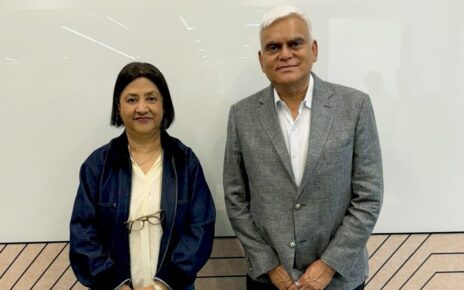
For Mr. Ashish Gupta, Brand Director, Skoda Auto India, dealership modernisation isn’t a forced leap into technology, but a steady walk forward—hand in hand with partners, one step at a time.
By T. Murrali

After-sales service is no longer just a support function—it has become a key way automotive brands win and retain customers. As vehicles turn more connected, complex and software-driven, what happens after the sale often matters as much as the product itself. To keep up, vehicle makers and dealerships are turning to data-driven planning across sales and service. But this shift is not without challenges.
Data is still scattered across multiple systems, quality and consistency remain uneven, and many dealers lack the tools and skills to turn numbers into clear decisions. After-sales data is also poorly linked with sales planning, making forecasting and service readiness harder than it should be. However, Skoda Auto India is choosing a more structured and practical path.
According to Mr. Ashish Gupta, Brand Director, Skoda Auto India, the focus is on empowering dealerships to become active contributors to planning and forecasting, rather than passive data providers.
Turning Data into Dealership Strength
At the foundation of this effort is a tightly integrated digital setup. The OEM has rolled out advanced CRM and Dealer Management Systems that capture service behaviour in real time. This ensures that information from workshops flows smoothly into central forecasting systems, helping the company see demand patterns clearly and early.
To make data easier to understand and act upon, dealerships are also equipped with simple, visual dashboards. These tools highlight performance trends, customer demand shifts and service patterns, allowing teams on the ground to respond faster and make better decisions without being overwhelmed by numbers.
Equally important is people readiness, he said. The carmaker is investing in regular training and review sessions to improve data awareness at the dealership level. “Through regular training and review sessions, we’re enhancing dealership teams’ data literacy, enabling them to interpret insights effectively and forecast demand more accurately,” he said. By building confidence in reading and interpreting insights, dealership teams are better prepared to forecast demand accurately and align service operations with customer expectations.
Smart Training
As vehicles become more software-led and electronics-heavy, the role of the service technician has changed completely. The company recognises that keeping pace with this shift is critical, and the company has chosen to invest early and deeply in people.
To tackle the growing shortage of skilled technicians, the OEM is building capability from the ground up. “Through our Škoda Academy and digital learning platforms, technicians receive structured training in advanced diagnostics, electronics. Additionally, our partnerships with technical institutes are helping us build a future-ready talent pipeline. This way, every dealership remains equipped to handle the latest vehicle technologies with confidence and precision,” Mr. Gupta pointed out.
According to him, training alone, however, is not enough. Delivering the same service experience across a wide and diverse dealer network is equally important. Whether a customer walks into a dealership in a large metro or a smaller town, Skoda aims to offer the same level of confidence and care. This is achieved through a unified service framework that clearly defines every step of the customer journey.
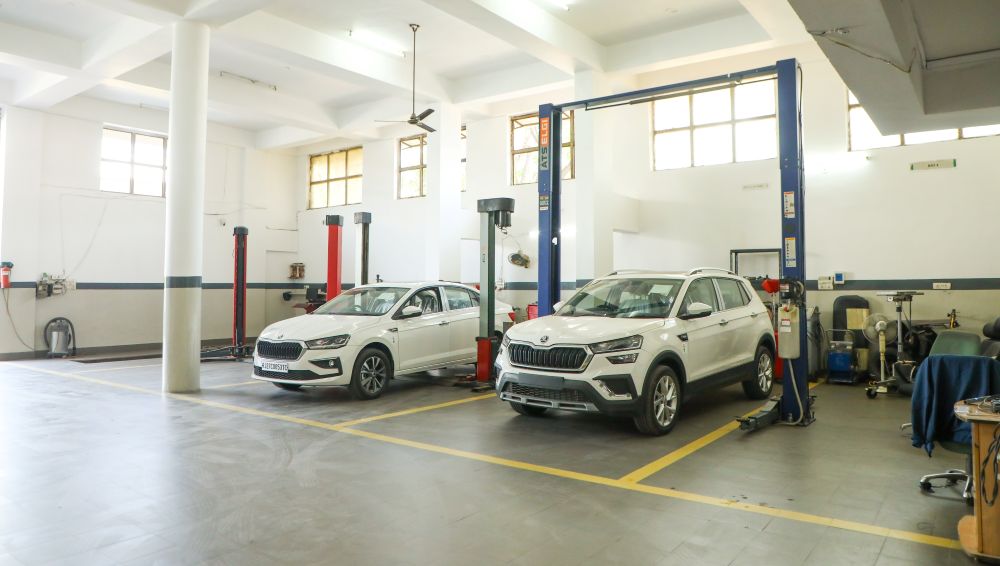
The Skoda Service Excellence Program sets these standards in practice. Clear processes, regular audits, continuous training and digital feedback tools help monitor performance and correct gaps quickly. Service advisors and technicians are trained repeatedly to ensure the brand’s service philosophy remains consistent everywhere.
Together, these efforts ensure that no matter where a Skoda customer goes, the experience feels familiar, transparent and dependable — backed by technicians who are confident, capable and ready for the technologies of today and tomorrow, he mentioned.
Strong Trust
For Skoda Auto India, delivering high-quality service does not mean pushing up ownership costs. The focus is on getting the basics right—doing the job accurately the first time, keeping processes simple, and making costs clear for the customer, he said.
To help dealerships maintain strong service standards while staying affordable, the company supports them with standardised repair processes, a reliable supply of genuine parts, and advanced digital diagnostic tools. These systems reduce guesswork, shorten repair time, and improve accuracy, helping workshops work more efficiently. At the same time, flexible service and maintenance packages give customers clarity on future costs, making ownership more predictable and easier to manage for value-conscious Indian buyers. This balance of quality and cost control has played a key role in building long-term customer confidence, he explained.
Mr. Gupta believes that building trust goes beyond pricing—it depends on transparency, especially in after-sales service. The carmaker is working to ensure that even smaller workshops and dealerships offer the same level of openness as larger facilities. Clear communication, standard service procedures, and simple digital touchpoints such as online estimates, digital job cards, and transparent approvals help customers know exactly what work is being done and why.
Where full digital systems are not available, it supplements them with mobile-based service tools and regular training for service teams, ensuring timely updates and clear explanations. Together, these steps ensure that every customer, regardless of location, experiences service that feels “honest, reliable, and reassuring,” turning routine maintenance into a relationship built on trust.
From Digital First Steps to Lifelong Bonds
According to Mr. Gupta, modernising dealerships is not about forcing a sudden technology shift. It is about walking alongside partners as they move forward, one step at a time. The company recognises that many dealers are still transitioning from older systems, so the focus is on making digital change feel supportive, not overwhelming.
Skoda has created a clear digital roadmap to help dealerships move from legacy tools to modern CRM and predictive maintenance systems. This journey starts with structured onboarding, followed by continuous training and strong technical support. A central CRM and DMS platform bring sales, service, and customer feedback together, helping dealers understand customers better and even anticipate service needs. The idea is simple: technology should quietly improve the customer experience, not become another problem to manage, he said.
That long-term thinking continues well beyond the warranty period. Škoda believes real customer relationships begin after the warranty ends. Dealerships are supported with extended warranty options, service packages, and loyalty programmes that keep customers engaged for years. Digital tools help service teams send personalised reminders, special offers, and timely follow-ups, ensuring customers feel remembered and valued at every stage of ownership.
Behind the scenes, equal attention is given to spare parts availability, an area that can make or break the service experience. The vehicle maker has strengthened its supply chain by expanding its mother warehouse in Pune, setting up regional warehouses, and improving forecasting through digital analytics. Dealers now have access to real-time inventory visibility through digital ordering platforms and automated stock replenishment systems. For imported or slow-moving parts, logistics have been streamlined and shipments consolidated to reduce waiting time, he elaborated.
Managing Spare Parts Complexity
Managing thousands of spare parts is another growing challenge, especially when dealer-level data is uneven. Skoda addresses this with a centralised, data-led approach. Advanced forecasting models use sales and consumption trends to predict demand more accurately, even when local data is imperfect. “Our digital Parts Management System integrates real-time inputs from dealerships, enabling smarter inventory allocation and timely replenishment. In parallel, we’ve introduced inventory liquidation programs for slow-moving parts and continuous data hygiene initiatives to enhance accuracy. These steps ensure optimised stock levels, faster availability, and reduced obsolescence across our network,” he said.
When Feedback Becomes Fuel for Trust
In a world where a single social media post can shape public opinion in minutes, Skoda Auto India treats every customer complaint with care and urgency. For the brand, feedback is not a setback—it is a chance to build stronger trust, he reiterated.
The company has put in place a centralised customer care system that tracks every concern in real time, ensuring nothing is overlooked. Each issue is followed through closely with dealerships until it is resolved, keeping the customer informed at every step. Speed matters, but so does empathy. “Our teams are trained to respond empathetically and proactively, often turning a complaint into a moment of delight,” he mentioned.
Beyond direct complaints, it also keeps a close watch on online conversations through social listening tools. This helps the brand sense customer sentiment early and step in before small issues grow into larger concerns. By acting quickly and transparently, many difficult moments are turned into positive experiences.
Over time, this approach has helped the company convert frustration into appreciation. When customers see that their voices are heard and their problems genuinely matter, disappointment often gives way to trust—and trust, in turn, becomes loyalty and advocacy, he concluded.