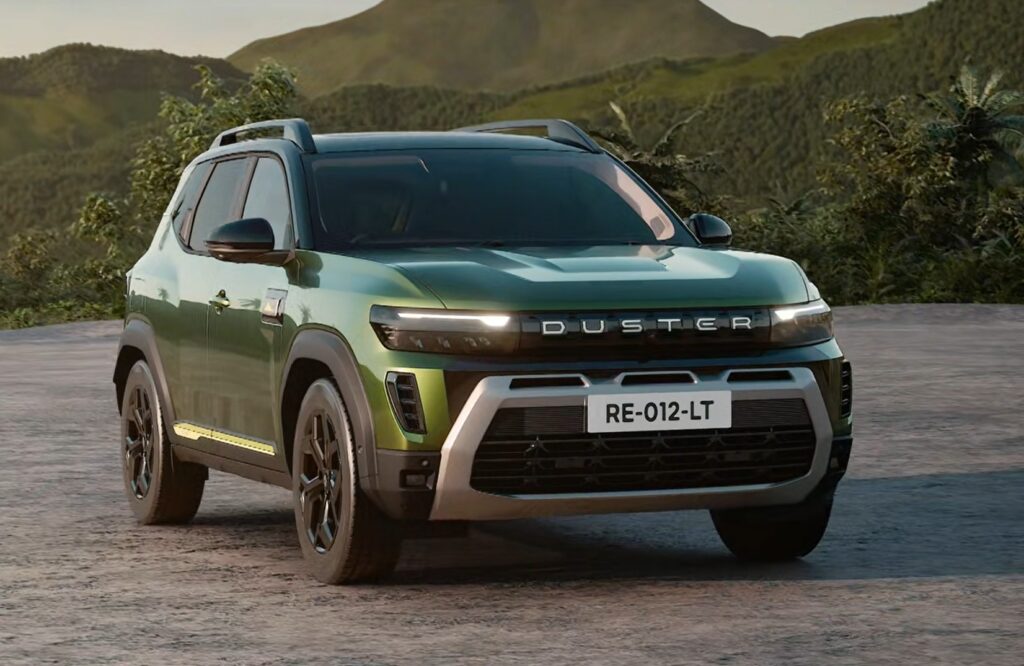
The new Duster blends its classic SUV spirit with modern engineering, smarter tech and India-ready toughness—creating a car that feels familiar, yet completely new.

When I spent time learning about the all-new Duster, one thing became clear: this isn’t just an update. It’s a complete re-engineering effort designed from the ground up for Indian roads, Indian customers and the country’s fast-changing driving needs. Yet, through all the changes, the Duster still feels like the Duster—a confident, go-anywhere SUV with a strong personality.
New Platform
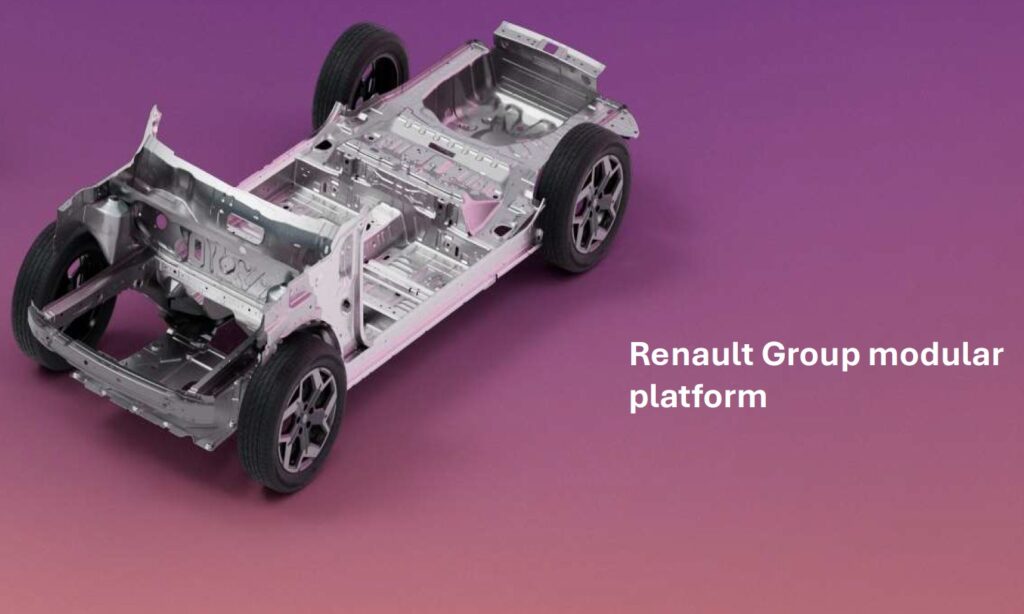
The SUV now sits on Renault’s latest Renault Group Modular (RGM) platform, and almost 90% of its engineering has been done specifically for India. To understand the engineering nuances better, I spoke to Dr. V. Vikraman, Chief of Engineering at Renault Group India. He walked me through how the new Duster has evolved from the original version launched over a decade ago, explaining what has changed and the reasons behind those decisions. “Even with this modern base, Renault was determined to retain the original Duster’s core character—its solid ride quality, stable handling and that familiar fun-to-drive feel that made the 2012 model loved by so many,” he said.
Challenges in Designing the New Version
The earlier version offered the best of both worlds: the rugged look and character of an SUV, combined with the comfort of a sedan thanks to its low centre of gravity and compact proportions. But now “when you are bringing the icon back 14 years later, we have to retain the fundamentals. We have to make sure that it is true to its DNA. But at the same time, you have to improve everything to the next level because customer expectations have increased, the market has become more competitive, more intense, more maturities,” he said.
And that can happen “only if you give the fundamentals – vehicle dynamics, which is combination of ride, handling, stability, then steering, everything combined. So, in our case, we have set a benchmark which is already at a very good level,” Dr. Vikraman explained.
Driving Feel
“Now we have to surpass the previous level and still delight the customers, which was the biggest challenge. I would say we could achieve very good result thanks to all our tuning done in the racing track and the countless hours and efforts that we have put in bringing the best in both ride and also in handling,” he mentioned.
To get the dynamics right, engineers pushed the car hard on racing tracks, which according to him, is first time in the history in the country. They tuned the steering to give clear feedback from the tyres and refined the suspension so the car feels planted and responsive. The strengthened body structure—20% stiffer than many rivals—adds to its confidence around corners and on rough patches, he pointed out.
Smart Stability
The Duster’s ESP is tuned to work quietly in the background. He said, the idea is simple: “the car should be naturally stable so that ESP doesn’t have to intervene often. This makes the drive feel pure and predictable, especially on twisty roads.”
Multiple Powertrains
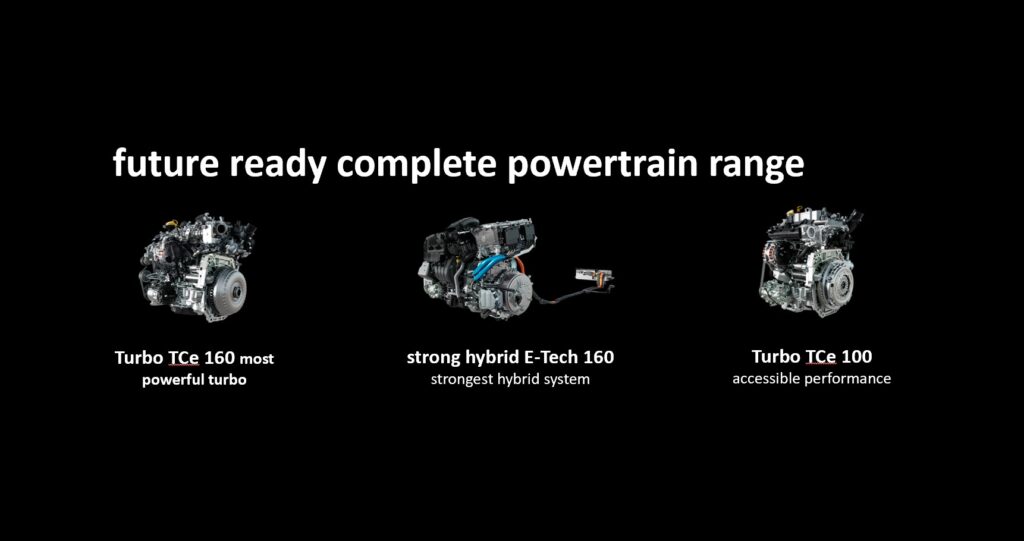
Under the bonnet, the new Duster offers three very different powertrain choices, each built for a specific type of driver. The first is a Turbo 160 engine paired with a quick, dual-clutch automatic gearbox that delivers sharp, energetic performance. “For customers who want something more accessible yet capable, there’s a Turbo 100 option that keeps running costs in check while still offering good everyday usability. At the other end of the spectrum is the advanced E-Tech 160 hybrid system, which uses a unique 8-speed hybrid gearbox and multiple drive modes to switch seamlessly between petrol power and electric drive. In many situations, it can even glide silently in pure EV mode, making it one of the most sophisticated and efficient powertrains in its class,” he elaborated.
Both turbo engines use a special “Power Glide” coating inside the cylinder liners. This reduces friction and helps the engine deliver higher torque while staying efficient—technology usually found in much more expensive cars.
India-Focused Engineering
Renault has adapted the Duster to Indian roads in many thoughtful ways. Ground clearance has been marginally raised to 212 mm, the suspension has been reinforced for deep potholes and sudden bumps, and the tyres use a 55 ratio to protect the rims. The cabin is taller than the European model, giving Indian customers a more commanding seating position. To keep things easy for the driver, physical buttons remain for important functions—because reaching through multiple touchscreen menus can distract on the move, Dr. Vikraman explained.
Quiet Cabin
To make the cabin feel calm and premium, the carmaker has added an acoustic windshield, thicker side glass and extra insulation to reduce wind, tyre and engine noise. Ventilated seats with power adjustment keep the driver relaxed during long drives, and the AC—one of the most powerful in the segment—cools the cabin quickly even in peak summers, he said.
Premium Touches
The Duster’s design now looks richer, with piano-black and chrome detailing outside, and carbon-fibre-style elements inside. The stitching, trim and overall cabin layout feel more modern, yet rugged in the right places.
In essence, the new Duster keeps the heart of the original alive but gives it a modern body, stronger engineering and India-specific toughness. It’s built to be an everyday SUV that feels just as ready for long journeys, bad roads and new adventures—just like the Duster always has.