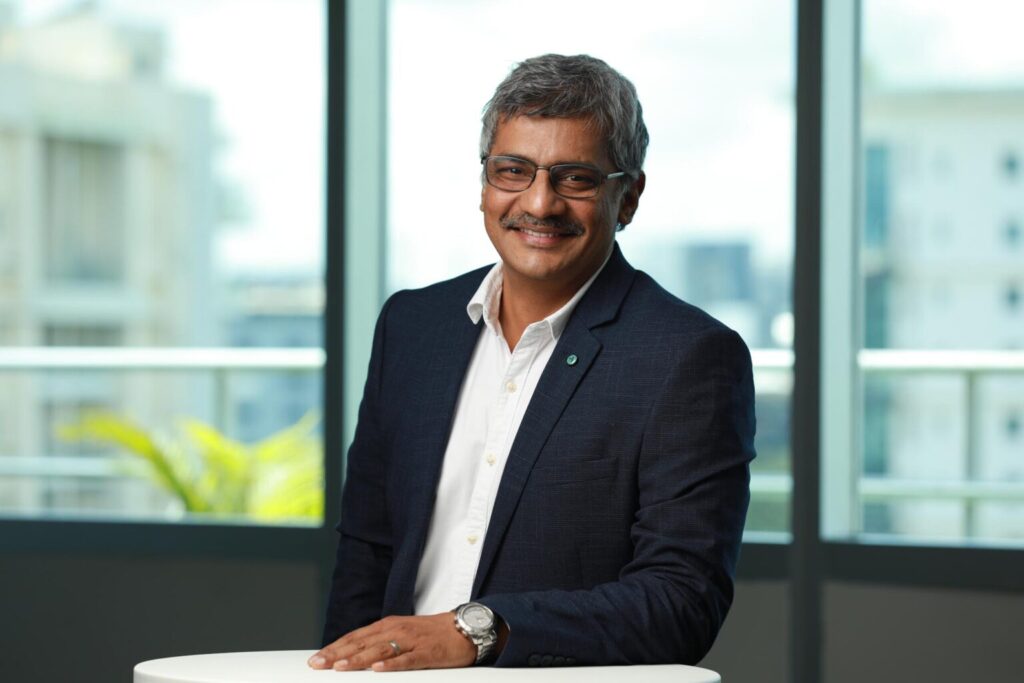
In an exclusive interview with Raghavendra Vaidya, Managing Director & CEO of Daimler Truck Innovation Center India (DTICI), Rajesh Rajgor delves into how the center is driving the future of commercial vehicles. From cutting-edge engineering to sustainable innovations in hydrogen and battery electric powertrains, Vaidya shares how DTICI is revolutionizing the industry. The discussion also sheds light on the role of India’s engineering talent in shaping Daimler’s global strategies and how the center is adapting technology to meet the diverse needs of markets like India, Europe, and North America.
The commercial vehicle industry is going through major changes due to advancements in technology, growing focus on sustainability, and shifting global market demands. These changes are pushing companies to innovate, with an increasing emphasis on cleaner, smarter, and more efficient vehicles. One key player in this transformation is Daimler Truck Innovation Center India (DTICI), which supports Daimler Trucks in adapting to these new trends. Located in Bangalore, DTICI is a key part of Daimler Truck AG’s global strategy, contributing to the development of advanced commercial vehicles that meet the needs of today’s rapidly evolving market.
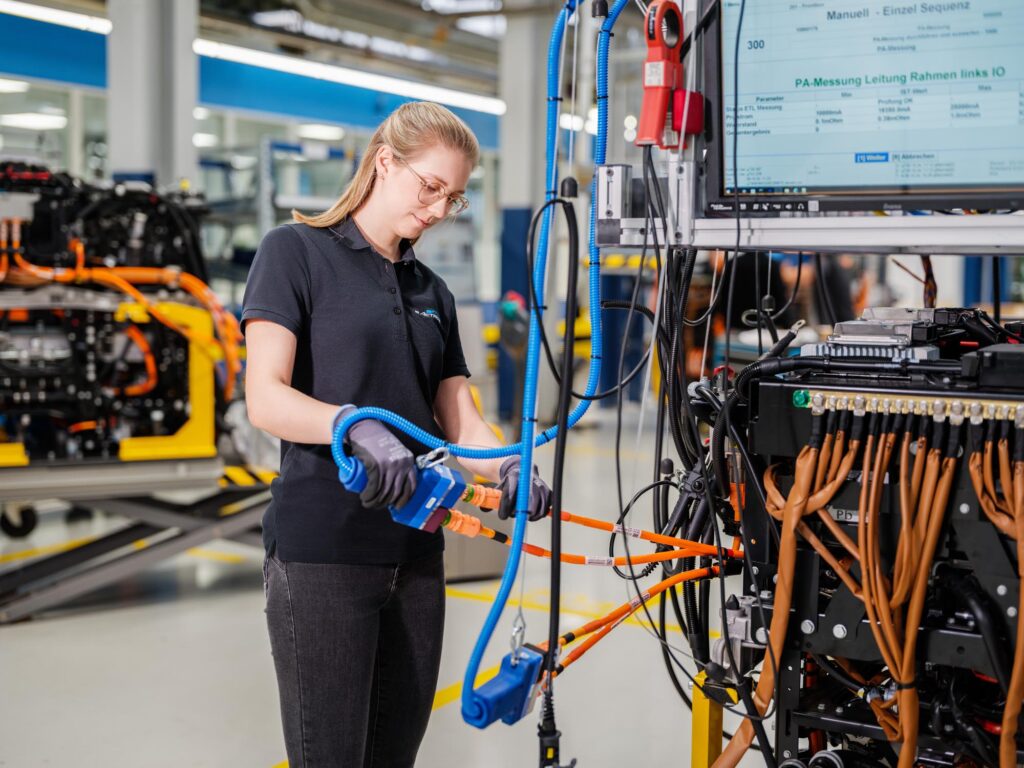
Raghavendra Vaidya, the Managing Director & CEO of DTICI, provides a detailed overview of the center’s mission, operations, and the global significance of its work. “DTICI is established as a technology and innovation center catering to all regions, all geographies, and all products,” Vaidya explains. “We focus on engineering, and this includes both mechanical and electrical engineering, along with software and electronics, which are now integral to modern truck designs.”
DTICI serves as the backbone for Daimler’s global operations, ensuring that its vehicles are optimized for diverse regional requirements, from the infrastructure of North America to the roads of India and China. The center develops and tests a wide array of components, including chassis, cabins, suspension systems, and increasingly sophisticated software that drives the modern commercial vehicle.
From Mechanical Design to Software Innovations
The engineering function at DTICI spans two main areas: conventional mechanical engineering and cutting-edge software and electronics. The mechanical engineering team designs vital components such as the chassis, suspension, and cabin, which are crucial for vehicle performance. Meanwhile, the software and electronics team focus on the integration of advanced technologies that make modern trucks smarter and more efficient.
“Every function of the truck, from the wipers to the powertrain and safety features, is controlled by software,” he points out. “This shift towards ‘drive-by-wire’ systems—where the electronic components control everything from sensors to actuators—has transformed how we design and build our trucks.”
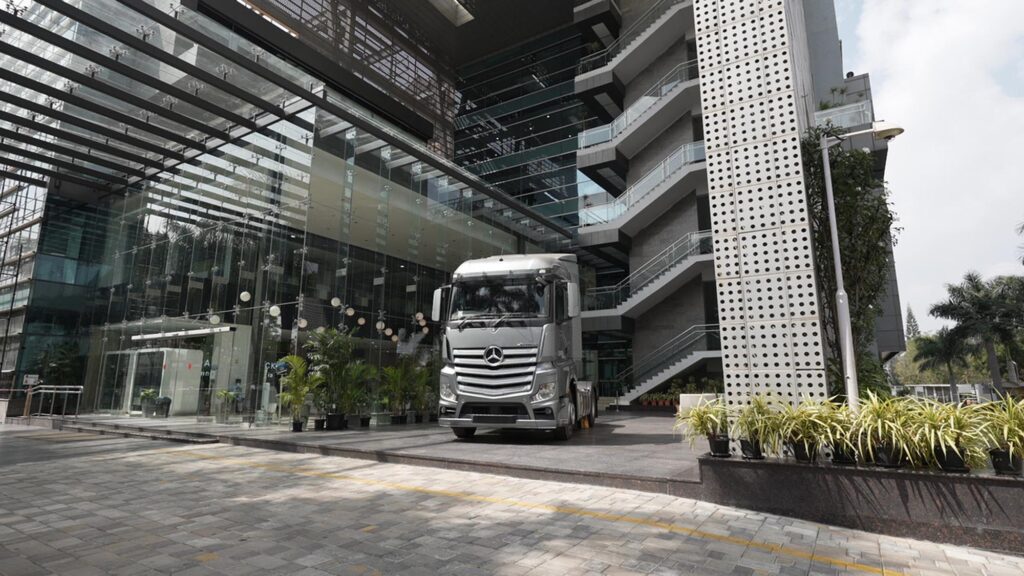
This development allows Daimler to produce trucks with higher precision and smarter capabilities. Features like automated braking systems, adaptive cruise control, and real-time diagnostics have become standard in high-end commercial vehicles, enhancing safety and efficiency on the roads.
Hydrogen and Battery Electric Powertrains
The commercial vehicle industry is being reshaped by two key trends: decarbonization and digitalization. Vaidya emphasizes that sustainability is central to these changes, stating, “Decarbonization is about moving towards zero-emission vehicles, and digitalization enhances both efficiency and safety.” Decarbonization focuses on reducing emissions and moving towards zero-emission vehicles. This includes both battery electric and hydrogen technologies, each with its own advantages. Battery electric vehicles are suited for shorter distances, while hydrogen trucks are better for long-haul transport.
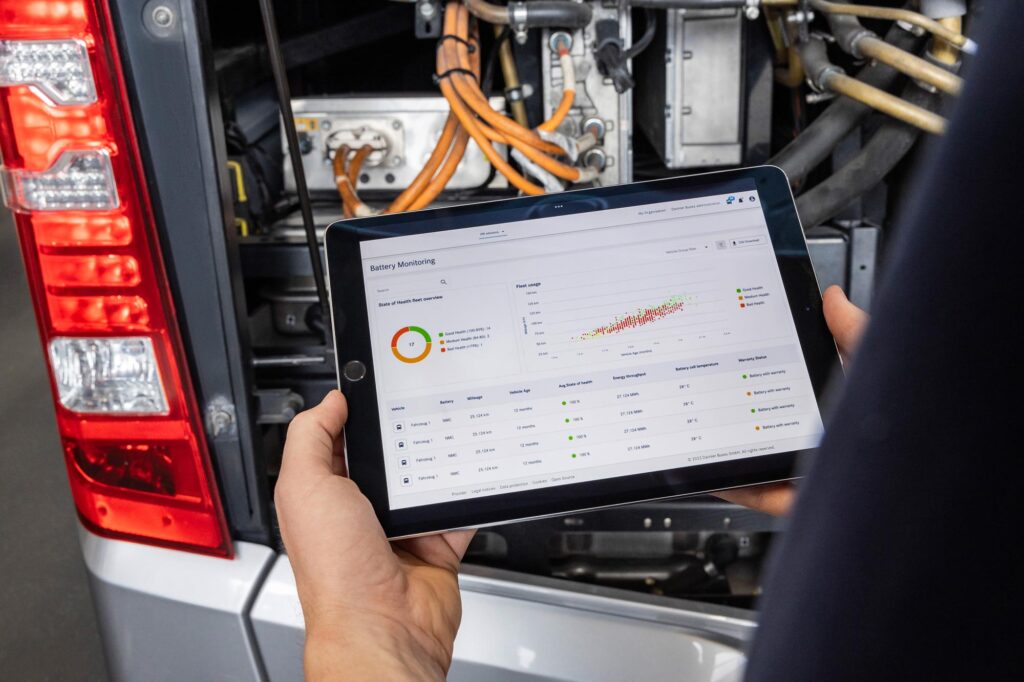
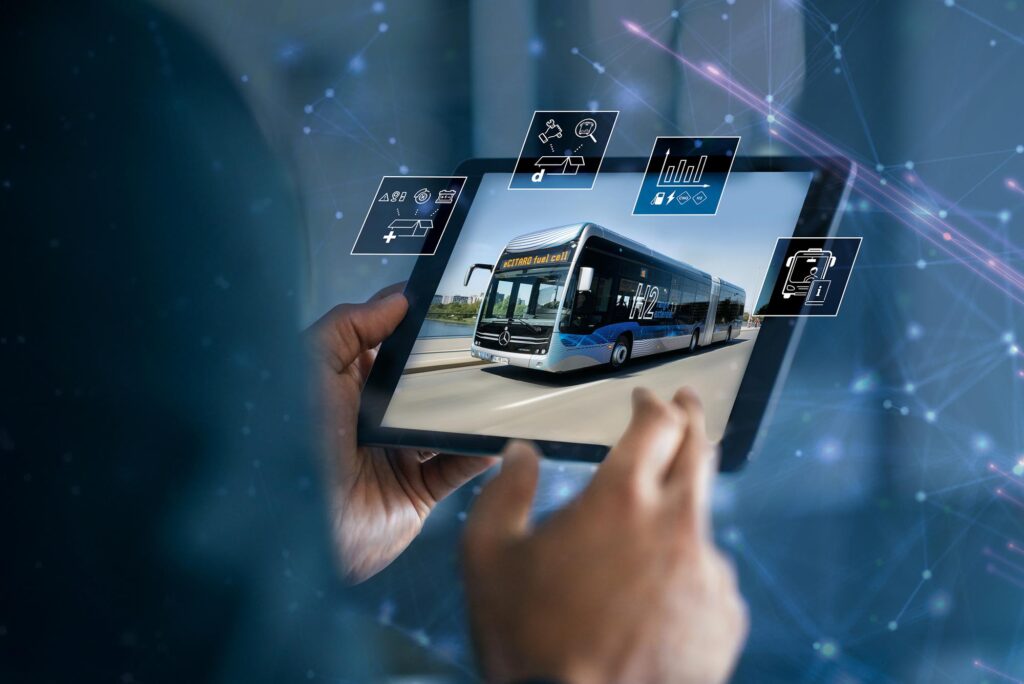
Alongside this, digitalization plays a vital role in improving efficiency and safety. he explains, “Advances in edge computing allow us to process data directly within the vehicle, enabling real-time decision-making without relying on constant connectivity.” This reduces reliance on constant connectivity and allows for real-time decision-making.
He also highlights the broader scope of sustainability, emphasizing not only cleaner emissions but also eco-friendly manufacturing practices. “Sustainability isn’t just about emissions; it’s about how we build our trucks and the materials we use. The use of recyclable materials, like aluminum, over steel, is part of ensuring that Daimler’s trucks are environmentally responsible from start to finish,” he emphasizes.
Looking to the future, Vaidya sees both hydrogen and battery electric powertrains shaping the commercial vehicle sector, though the necessary infrastructure still lags behind the technology. DTICI is working with partners to ensure the development of infrastructure that will support these advancements.
Localization and Adapting to Diverse Markets
The process of adapting global technology to local markets is crucial to DTICI’s work. “Commercial vehicles are built to serve a very specific purpose—transporting goods or people efficiently,” says Vaidya. “The needs and realities of logistics vary across regions, so we must tailor our trucks to fit those local requirements.”
In India, where the infrastructure doesn’t support ultra-heavy-duty trucks, Daimler focuses on trucks optimized for fuel efficiency and durability—key factors for Indian operators navigating long-haul routes with challenging conditions. “In India, we don’t have really heavy-duty trucks because the infrastructure can’t handle them, and they’re not required,” he shares. “But in the U.S., we have super heavy-duty trucks for long-distance hauling. “We tailor our trucks to the specific needs of the region—whether it’s fuel efficiency for India or power for North America,” he adds.
As Fuel savings directly impact the profitability of fleets, particularly in cost-sensitive markets like ours, DTICI has made significant strides in improving fuel efficiency in diesel trucks, incorporating aerodynamic enhancements, lighter materials, and engine optimizations. “Fuel efficiency is essential, especially in markets like India, where logistics operators face high fuel costs and long distances,” Vaidya explains. “With these innovations, we’ve helped reduce fuel consumption by up to 10%, benefiting operators.”
Each vehicle produced by Daimler is designed to meet the specific needs of its region. “Whether it’s India, Europe, or North America, our trucks are engineered with local ecosystems in mind. Technology enhances safety and efficiency, but it’s also aligned with local infrastructure and operational requirements,” he asserts.
Daimler has successfully localized its BharatBenz trucks for the Indian market, ensuring that the vehicles meet the unique demands of Indian fleet operators. “BharatBenz trucks are designed ground up for Indian conditions, and they benefit from Daimler’s global technological advancements,” Vaidya highlights. “This gives us a competitive edge, particularly as the Indian government implements new safety regulations.”
Leveraging India’s Engineering Talent for Global Innovation
India’s vast pool of engineering talent is a significant asset for DTICI. “India is home to phenomenal engineering talent,” says Vaidya. “The STEM (Science, Technology, Engineering & Mathematics) talent here surpasses that of any other region in the world, and that’s why we’ve established our technology center here.”
Indian engineers, though often equipped with a solid foundational understanding of automobile design, undergo rigorous training to adapt to Daimler’s standards. “When we bring talent into the company, they come with a great starting point,” he observes. “But they need to understand how a Daimler truck differs from other manufacturers. Once they do, they are integral parts of the team that designs the next generation of trucks.”
The role of DTICI in the future of Daimler’s commercial vehicles is clear. By combining cutting-edge technology with local market knowledge, the center ensures that Daimler trucks are at the forefront of innovation in both global and regional markets. Through a commitment to sustainability, safety, and efficiency, DTICI is driving the next generation of commercial vehicles that will meet the challenges of tomorrow’s logistics and transportation needs.
“We take sustainability seriously,” says Vaidya. “It goes beyond just zero emissions. It’s about how we design, manufacture, and operate our vehicles in a way that ensures they contribute to a circular economy and a cleaner planet.”
As the commercial vehicle industry moves towards zero emissions, smarter technologies, and greater sustainability, Daimler Truck Innovation Center India stands as a key player in shaping the future of mobility in India.