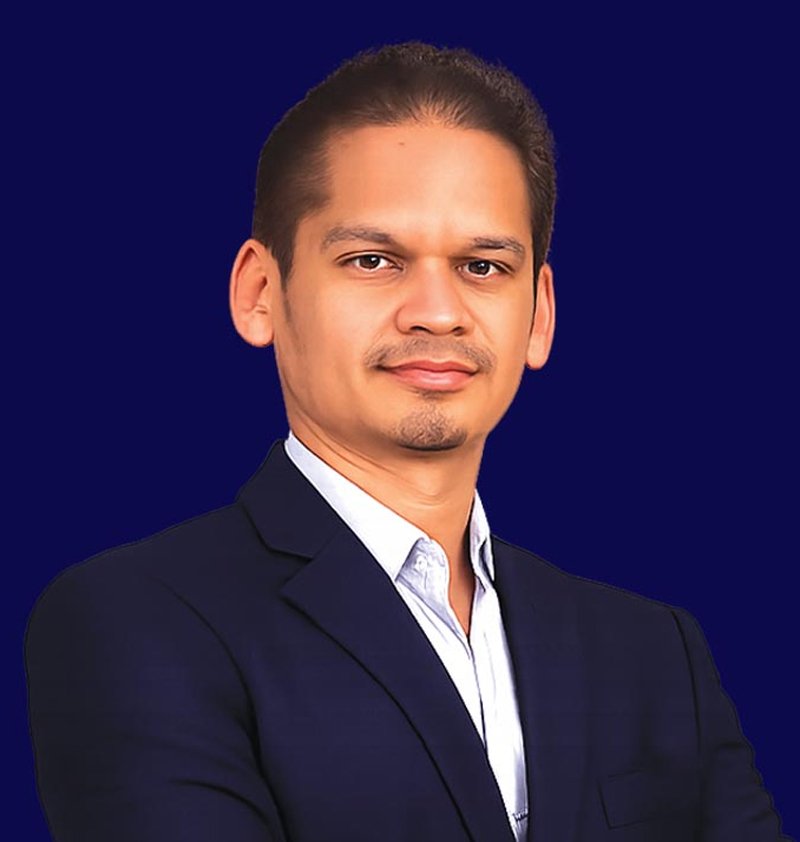
Rushabh Shah, Co-Founder & CBO
Shared mobility, digital operator platforms and electric buses will redefine urban commuting as Indian cities focus on moving more people with existing infrastructure.
India’s urban mobility challenge over the next decade will not be solved by building more roads alone, but by making better use of the infrastructure already in place. As congestion continues to rise across major cities, the focus is expected to shift from increasing road capacity to transporting more people efficiently through shared mobility solutions.
“A trip that repeats is a trip that can be shared. By moving more commuters into shared transport, we can free up roads for journeys that genuinely require private vehicles and freight.”
Mr. Rushabh Shah, Co-Founder & CBO, Cityflo, believes the daily commute presents the biggest opportunity to transform urban mobility. Since thousands of people travel the same routes at the same time every day, encouraging them to adopt organised shared transport can significantly reduce congestion while improving travel reliability. He noted that commuters and employers will increasingly evaluate shared mobility not only on affordability but also on time savings, convenience and dependable service.
According to Mr. Shah, another major trend will be the growing preference for higher-capacity vehicles over single-occupancy cars. As cities prioritise efficient use of road space, buses designed for reliable daily operations and electrification will play a much larger role in urban transportation. Equally important will be the formalisation of India’s bus operator ecosystem through digital platforms that simplify bookings, scheduling, fleet management and customer engagement.
“The future of urban mobility is about moving more people in less space, while delivering the reliability, comfort and flexibility commuters expect from private vehicles,” shared Mr. Shah.
To support this transformation, Cityflo is expanding its presence across multiple cities while onboarding more operator partners and progressively introducing electric buses into its fleet. Alongside fleet expansion, the company is developing a digital operating ecosystem that improves driver management, strengthens collaboration among operators and enhances overall service reliability.
A key part of its future strategy is Urban Glide, Cityflo’s specialised business focused on supporting the large-scale deployment of electric buses. Through its Project Management Consultancy model, Urban Glide provides the operational expertise required for OEMs and fleet operators to manage electric bus networks efficiently.
Looking towards 2030, Mr. Shah said Cityflo aims to demonstrate that Indian cities can improve mobility by integrating shared bus services with rail and future water transport networks, enabling seamless first and last-mile connectivity while easing congestion without significant new infrastructure investments.
“The future of urban mobility is about moving more people in less space, while delivering the reliability, comfort and flexibility commuters expect from private vehicles.”