As the auto industry grapples with an ageing vehicle fleet, rising technology adoption, and a rapidly growing independent aftermarket, the US-headquartered PHINIA, a global premium solutions and components provider, believes its strategy is to stay relevant across both traditional and future propulsion systems, rather than betting on just one.
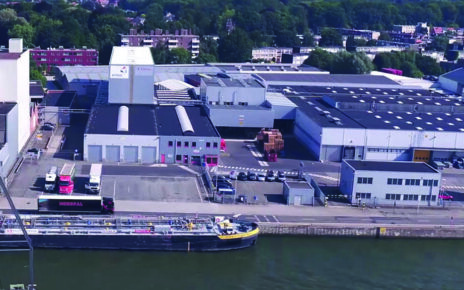
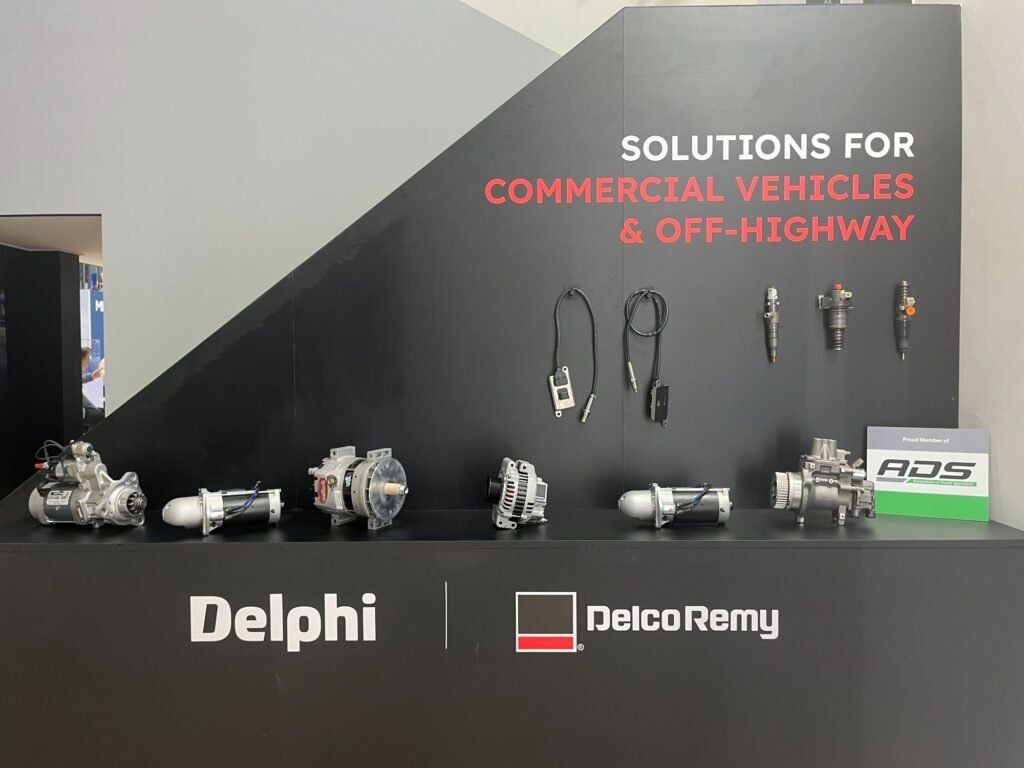
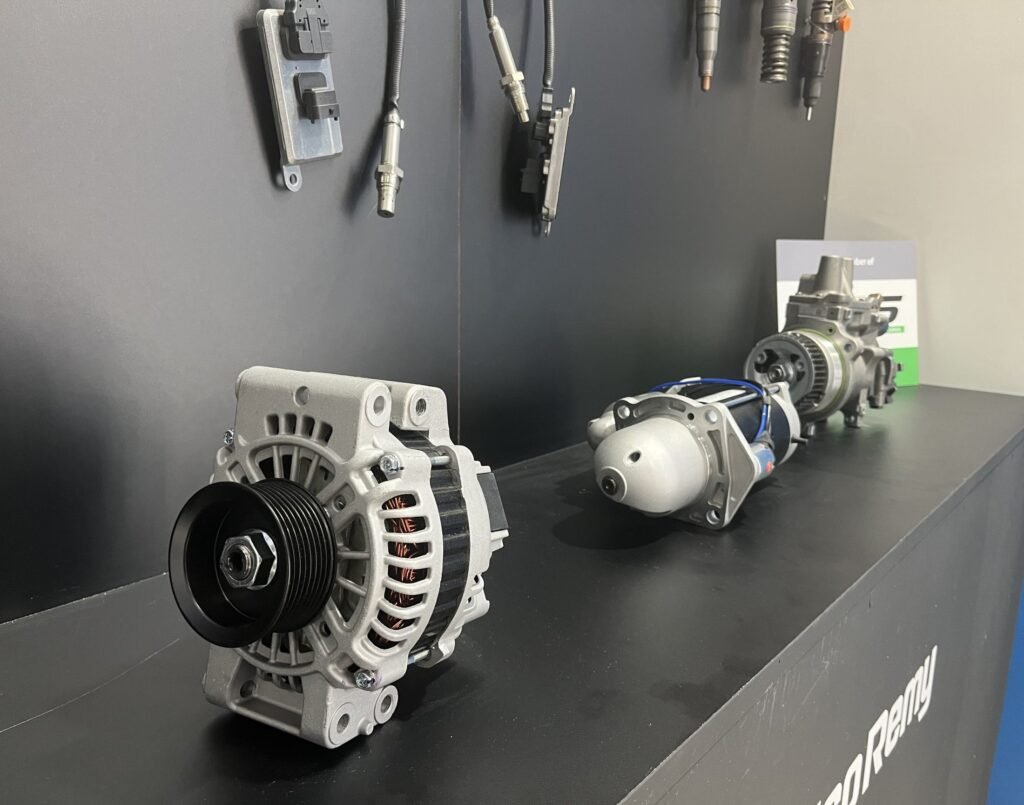
The $3.6 billion company with a strong focus on fuel delivery systems and injectors, along with starters and alternators sold under its Delphi, Delco Remy and Hartridge brands for the commercial vehicle segment. Fuel delivery products are distributed under its Delphi brand, with manufacturing spread across the world to stay competitive by serving customers locally.
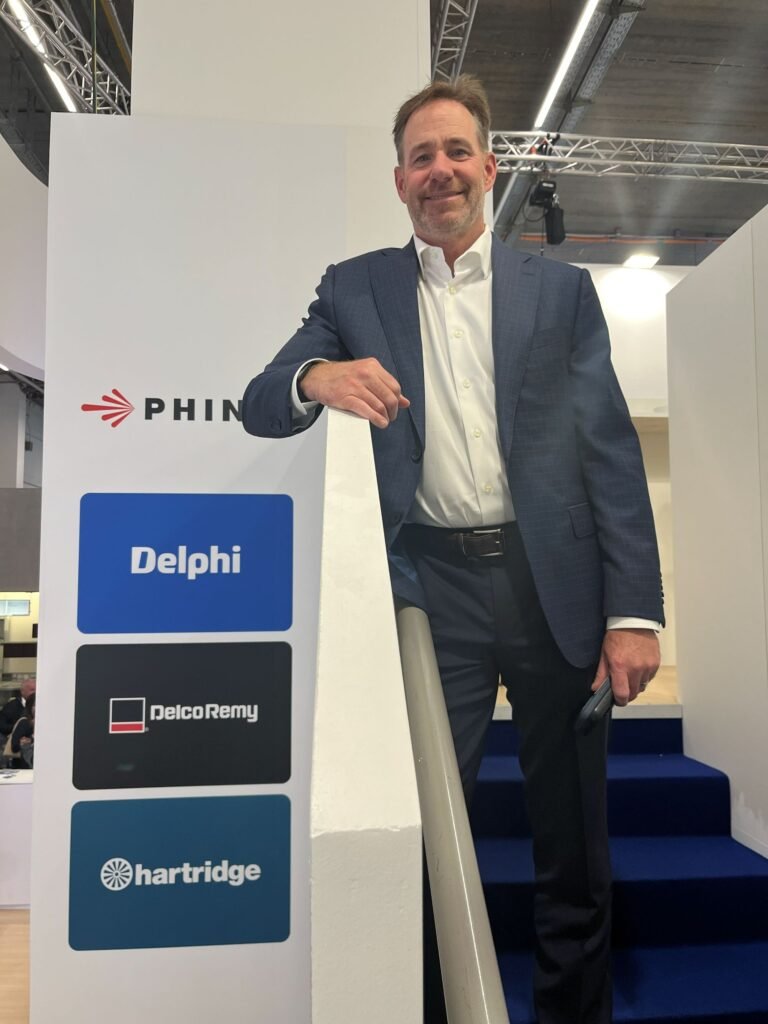
Speaking to this publication, Mr. Dan Griffin, President, Aftermarket Solutions, PHINIA, said the vehicle fleet is changing, though at different speeds across regions. Internal combustion technology, he said, still has many more decades of relevance in the aftermarket, particularly for gasoline and diesel. At the same time, the company is positioning itself to offer products that aren’t tied to any particular propulsion system, such as suspension, steering, and electronics, ensuring relevance regardless of how quickly individual markets shift.
The real challenge, he said, lies in balancing support for both worlds – continuing to serve diesel and gasoline categories while evolving its offering for newer, propulsion-agnostic segments. The company will keep its focus sharp on commercial vehicles, off-highway, and industrial segments, which are adopting new technologies at their own pace.
On whether the rise of multi-fuel and flex-fuel vehicles could simplify product portfolios by reducing the number of SKUs, Mr. Griffin was cautious, noting that SKU management in the aftermarket is an ongoing, everyday discipline – adding relevant parts and retiring ones that no longer sell, regardless of powertrain trends.
Asked about the rapid rise of independent aftermarket players, especially in Asia Pacific, he said this isn’t a fundamentally new dynamic. Businesses have always sought to serve the aftermarket, and different markets simply have different needs, some prioritising quality over price, others being highly price-sensitive, requiring companies to make deliberate choices about where to compete.
Sharing his views on its operating philosophy, he described its internal “GOLD” model—Globally Optimised, Locally Driven—standardising processes globally where efficiency matters, while empowering regional general managers to make localised decisions on portfolio, inventory, and distributor relationships.
On geopolitical disruptions, including regional conflicts that have led some companies to diversify their logistics networks with additional or backup distribution hubs, he acknowledged the company is continuing to adapt to an evolving operating environment. He noted that the focus remains on building a resilient supply chain and supporting customers through potential disruptions while operating in compliance with all applicable laws, regulations, and company policies.
Finally, on the rise of software-defined vehicles, Mr. Griffin admitted that its current in-house software capabilities are evolving, and that the company is still evaluating how the aftermarket should evolve over the next five to ten years, as more vehicle features and competitive differentiation shift towards software rather than hardware.