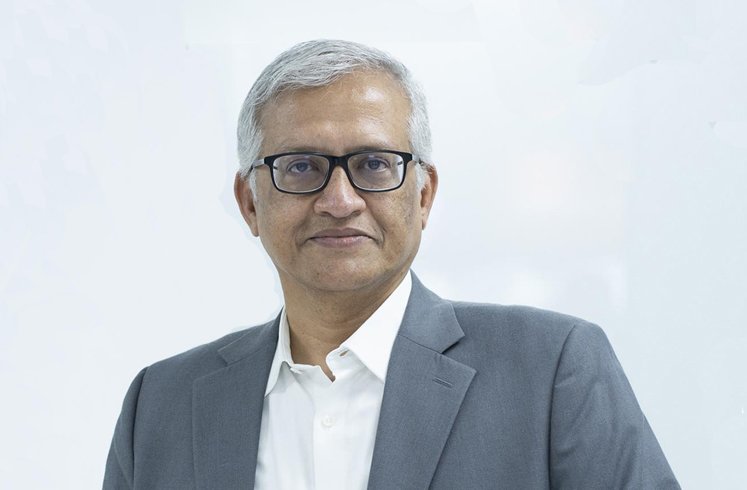
India is no longer just a cost-competitive manufacturing base. For OEMs and Tier-1 suppliers, it is fast becoming a hub for engineering excellence, innovation, and supply chain resilience, says Mr. K Vasudevan – Group President & Head, Brake Business at Brakes India.
The automotive component industry is at an inflection point. While electric vehicle adoption is steadily gaining momentum, internal combustion engine (ICE) powertrains will continue to coexist for the foreseeable future, requiring the industry to be prepared for a multi-powertrain market. In the braking segment specifically, electrification is reshaping the value chain, with the industry evolving beyond purely mechanical systems to integrated braking technologies such as Electronic Stability Control (ESC), e-Boosters, and Electromechanical Braking (EMB). This transition is already underway and is expected to accelerate through 2030, Mr. Vasudevan said.
Geopolitical shifts and rising Asian competition are prompting OEMs to seek suppliers with resilient operations, strong technology capabilities, and diversified manufacturing footprints. Agility and the ability to serve multiple global markets will be critical — and India is well positioned to benefit. Sustainability is equally non-negotiable, with OEMs actively penalising suppliers who do not align with their low-carbon and responsible sourcing goals.
Paving the way Forward
Brakes India’s Vision 2030 aligns closely with India’s Automotive Mission 2030, which envisions the country as a global manufacturing and engineering hub driven by advanced technologies, stronger exports, and deeper integration into global value chains.
“Our focus is on building a future-ready organisation combining technology leadership, operational excellence, and sustainable growth. We aim to nearly double our scale while significantly expanding our global footprint. We are strengthening our leadership in conventional braking while investing in advanced wheel-end, electronic braking, and next-generation safety solutions — supporting customers across multiple propulsion technologies as the mobility landscape evolves.
Our philosophy is pragmatic innovation — solving real customer problems with India-engineered, globally competitive solutions, backed by investments in AI, Industry 4.0, smart manufacturing, electronics, software, and future-ready talent.
Ultimately, Vision 2030 is about creating long-term value through innovation, operational excellence, and trusted partnerships. By expanding exports, investing in advanced technologies, and continuously enhancing our manufacturing capabilities, we aim to contribute meaningfully to India’s emergence as a global leader in safe, sustainable, and technology-driven mobility”, he added.
Ultimately, companies that succeed through 2030 will be those that combine strong engineering fundamentals, investments in electronics and digital manufacturing, sustainable operations, and cost competitiveness to serve both domestic and global markets.