Ashok Leyland emerged stronger from months of industry turbulence, posting its highest-ever Q1 revenue, PBT, and PAT. The company reported its highest-ever commercial vehicle volume of 48,763 units, compared to 44,238 units in the same period last year. Q1 revenue also hit an all-time high of ₹9,634 crore, against ₹8,725 crore last year. The company reported its highest-ever Q1 PAT of ₹609 crore, up from ₹594 crore a year earlier. However, owing to rising material costs, EBITDA margin stood at 10.1% for Q1 FY27, compared to 11.1% (₹970 crore) in Q1 FY26 — still marking the company’s 14th straight quarter of double-digit EBITDA margins. Net cash position improved to ₹2,252 crore, a positive swing of ₹1,432 crore year-on-year (net of dividends, capex, and group investments).
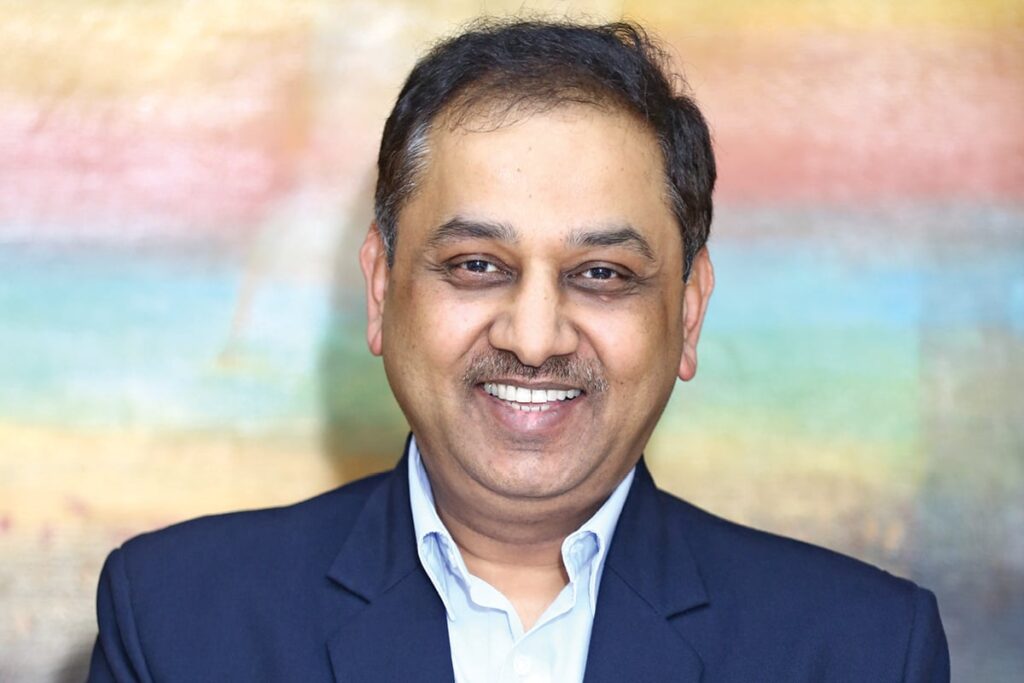
Speaking to media on the Q1 FY27 results, Mr. Dheeraj Hinduja, Chairman, Ashok Leyland, said domestic MHCV truck volumes (excluding defence) grew 15% YoY, LCV volumes hit a record Q1 high of 18,874 units with improved market share, and electric CV volumes rose 10%. Aftermarket, engines, and defence businesses also performed well. The company launched an industry-first air-suspension multi-axle truck and a 12-metre fuel cell bus. SWITCH India bagged an order for 650 e-buses, while financing arms HLF and HHF grew AUM by 20% and 13% respectively. CSR programmes Road to School and Road to Livelihood now reach 6.4 lakh students, Mr. Hinduja added.
Mr. Shenu Agarwal, MD & CEO, Ashok Leyland, said the Indian CV industry stayed buoyant despite geopolitical headwinds, reflecting strong fundamentals. While rising material costs remain a concern, the company is pursuing price realisation, cost savings, and premiumisation, while staying focused on customer delight and operational discipline.
Fighting Commodity Costs
Two price hikes totalling 2-2.25% have been taken this year, with more possible if cost pressure persists. A dedicated team is targeting ₹2,000 crore in cost savings over 18-24 months (on top of the usual ₹500-600 crore/year), through a “value engineering plus value enhancement” approach — cutting costs while adding features customers will pay for, aiming for ₹1,500-2,000 crore in savings over 3-4 years. Margin recovery will depend on price pass-through, supplier negotiations, and cost engineering, he indicated.
On the cost savings, he said it’s a company-wide exercise touching production, sales, and administration. Most of the easy wins have already been captured over the past few years, so the company is now digging deeper to find further savings. Since material costs make up about 75% of total revenue, the bulk of the savings is expected to come from reducing material costs, Mr. Agarwal pointed out.
Subsidiary Investments
The Board approved two investments in subsidiaries during the quarter. The first, into Hinduja Housing Finance, was described as a straightforward capital allocation decision, given the company’s strong cash reserves and Hinduja Housing Finance’s rapid growth — now among the top five affordable housing finance companies in India, with over 30% growth for four consecutive years.
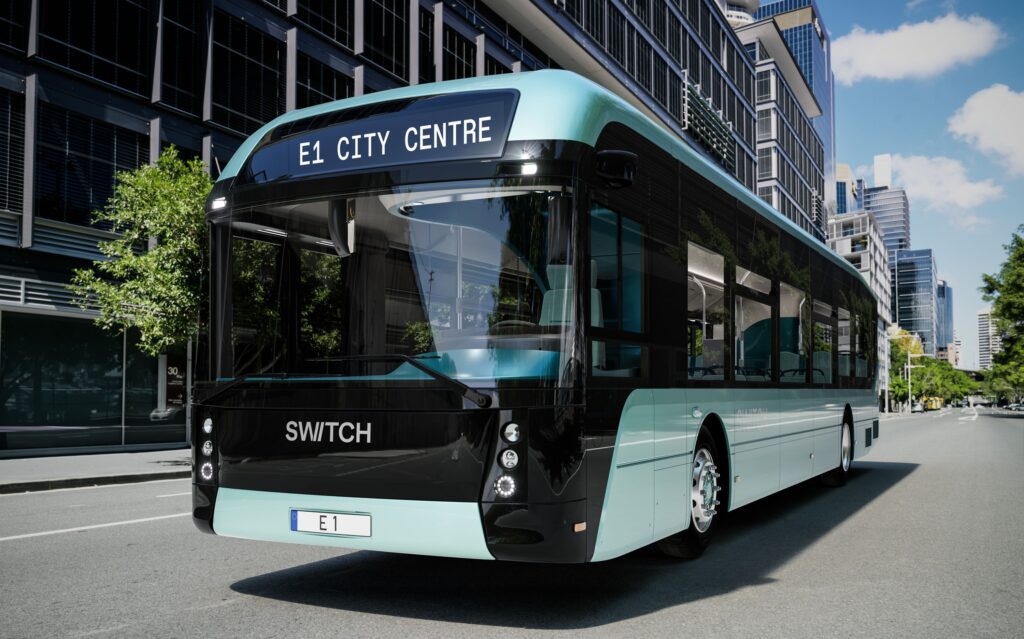
The second investment, worth about ₹300-325 crore, went towards repaying a loan carried by SWITCH UK, routed through an equity investment into its parent, Optare PLC. Of an original £80 million loan, £30 million was repaid in March 2026, another £25 million is being repaid now, and the remaining £25 million is planned for the next financial year, a move aimed at avoiding unnecessary interest costs. Mr. Agarwal clarified that SWITCH India operates independently and receives no funding support from Ashok Leyland; the Optare PLC investment was solely to help SWITCH UK with its loan repayment.
Battery Plant, OHM Funding, and Capex
The company’s upcoming 2027 battery plant aims to integrate in-house-designed batteries and battery management systems more tightly into vehicles for better total cost of ownership, while also opening opportunities to supply other automakers and the battery energy storage market.
OHM, the company’s electric bus arm, is funded via a standard structure of 15-20% equity, currently provided by Ashok Leyland, and the remainder through bank debt, with external fundraising possible later. FY27 CAPEX is guided at approximately ₹1,000 crore, similar to FY26, directed mostly towards new products and technology, including EVs and the battery plant, rather than capacity expansion, Mr. Hinduja noted.
Reducing Cyclicality
Ashok Leyland is growing its non-MHCV revenue, including defence, power solutions, and aftermarket, with the aim of covering its entire fixed costs. The MHCV breakeven volume has fallen from 6,000-7,000 units a month a few years ago to just 1,000-1,500 units a month now, against average sales of 10,000 units a month last year, sharply cutting cyclical risk.
On hydrogen, Mr. Agarwal said 23 pilot vehicles are currently deployed in Gujarat as the company matures the technology, aiming to be market-ready once the hydrogen ecosystem and pricing mature.
Defence: Bullish Outlook, New Segments Ahead
Asked about the defence business outlook for FY27, Mr. Agarwal expressed strong confidence, citing a good performance last year and encouraging numbers this year. Beyond its traditional logistics vehicles like the Stallion, the company is exploring new defence segments, though details were not disclosed. The company’s standing as a trusted, reliable supplier to the Defence Ministry gives it confidence to expand into new product lines, potentially through acquisitions as well as joint ventures for product development.
Middle East Recovery: Back on Track
On the disruption at its Middle East plant last quarter, largely affecting the UAE, Mr. Agarwal confirmed that volumes are picking up again. While production hasn’t yet returned to the peak levels seen earlier, it has been rising steadily since April, showing a clear month-on-month recovery. The company expects international sales this year to exceed last year’s, with steady improvement also seen in African markets.
Export Strategy: Saudi Plant, New Markets
With the Ras Al Khaimah (UAE) plant nearing peak capacity, the company is focused on opening a new plant in Saudi Arabia, with final approvals expected within six to eight weeks and production likely to begin in 18-24 months. On broader international expansion, Mr. Agarwal pointed to growing traction in Sri Lanka, Bangladesh, and the ASEAN region, including an MoU signed with PT Pindad in Indonesia, along with encouraging prospects in African markets, where several distributors already operate local assembly plants to support faster product rollout.
Reflecting on the Ras Al Khaimah plant’s role as a strategic hub, he explained that customers view vehicles assembled there as genuinely local, an “Emirati bus” rather than an imported one, which helps build trust and supports sales. Combined with a strong local parts and distribution network, this local-assembly strategy is expected to continue driving growth in the company’s international operations, Mr. Agarwal concluded.