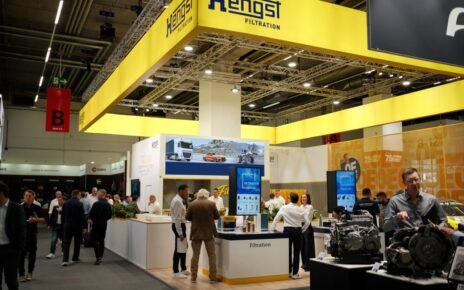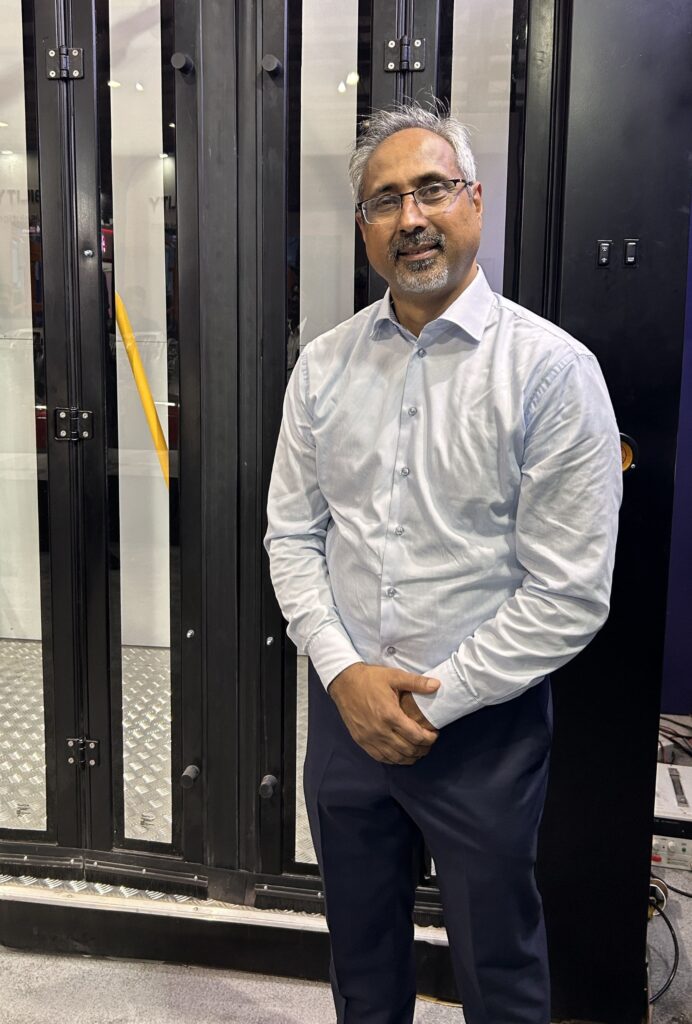
ZF Group participated in Prawaas for the first time this year. Having attended previous editions as a guest, the company stepped onto the exhibition floor as an exhibitor – and brought with it a product that quickly caught the attention of visitors. The product was a door control system designed to open automatically when smoke or heat inside a bus crossed a predetermined threshold. The timing of the showcase was particularly relevant.
Mr. Akash Passey, President, ZF Group India and MD, ZF India, told this publication that several sleeper coach accidents in India in recent months had raised serious questions about passenger evacuation, with concerns that doors had failed to open in time for occupants to escape. Mr. Gadkari had also spoken about the issue publicly, he noted. ZF’s response was a system designed to remove the need for human intervention altogether – if conditions inside the bus indicated danger, the doors would open automatically. It was a straightforward concept, but one that could potentially save lives in a crisis where every second mattered. The system was ready for market rollout.
Building Safety into Bus Design
Alongside the emergency door system, ZF displayed a rear axle with air suspension developed specifically for full low-floor buses – a niche but increasingly important product for the segment.
More significantly for the long term, the company showcased a complete electric drive system, integrating the motor, inverter and axle into a single rear-axle unit. ZF was looking to localise the system in India, positioning it to support the country’s rapidly expanding electric bus ecosystem.
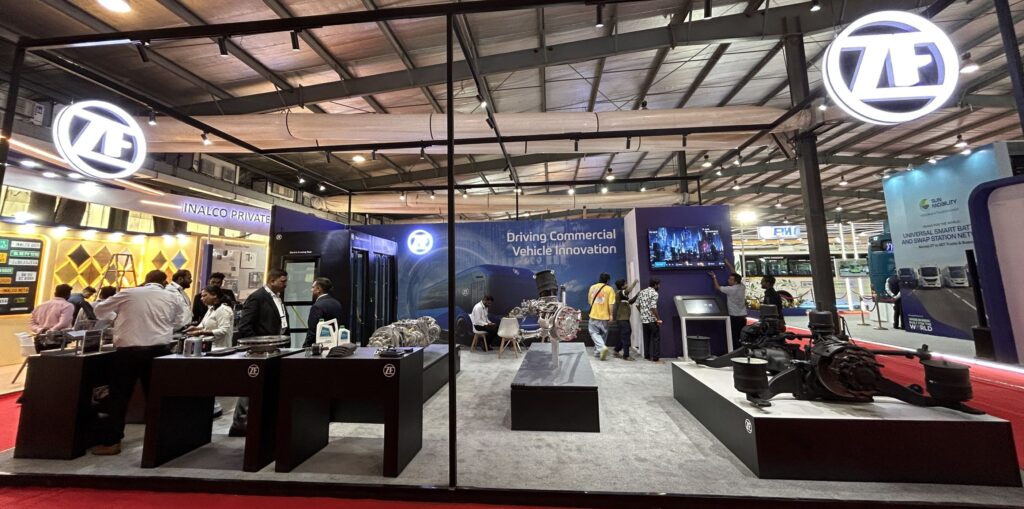
With more than 60,000 electric buses having been ordered in India and around 45,000 to 50,000 of those yet to be delivered, the opportunity for a high-quality, locally produced electric drive system was substantial. Localisation would also enable ZF to align its technology more closely with the requirements of Indian bus manufacturers and operators.
A Growing Localised Portfolio
ZF also used the expo to highlight the depth of its aftermarket business, which covered brake pads, clutch systems, disc brakes, filters and a wide range of daily-use components for buses, trucks and other commercial vehicles. Many of these products, which had previously been sourced by Indian operators from markets such as Dubai, Turkey and China, were now being manufactured in India by ZF.
Mr. Passey pointed out that virtually every electric bus manufacturer in India depended on ZF in some form, while 85% to 90% of commercial vehicle braking systems in the country carried the ZF brand name. The company operated across 14 legal entities and 12 technical centres in India, with its operations spanning passenger cars, commercial vehicles, construction equipment, agriculture and railways.
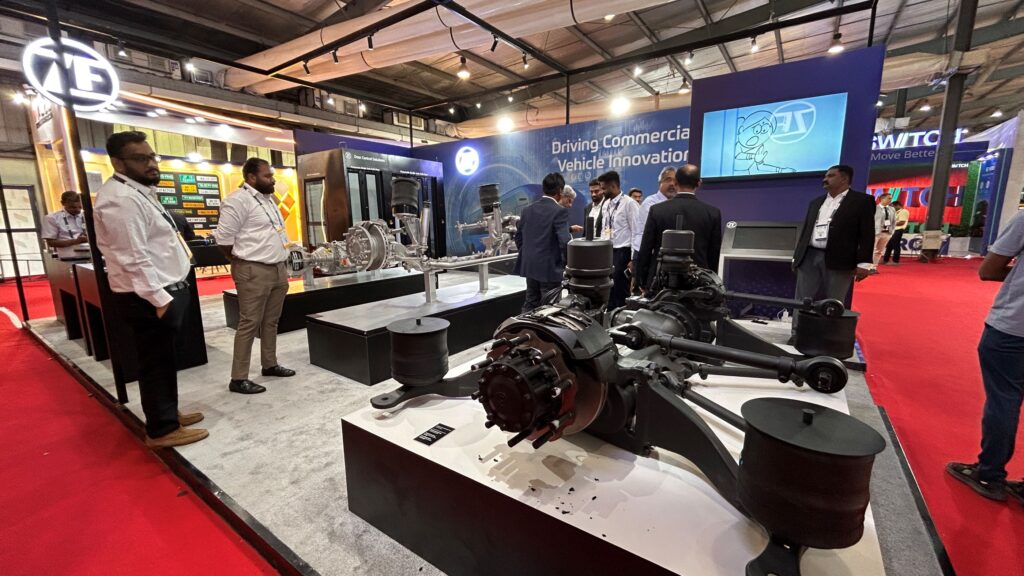
For ZF, therefore, Prawaas was about more than showcasing products. It provided an opportunity to underline the company’s direction in a bus market being shaped by government policy, electrification and the growing demand for safer and more efficient passenger mobility.
The automatic emergency door system offered perhaps the clearest expression of that approach – using technology to address a critical safety challenge and ensuring that, in an emergency, the bus itself could take the first step towards getting passengers out safely.