By Ravichandran Srinivasan
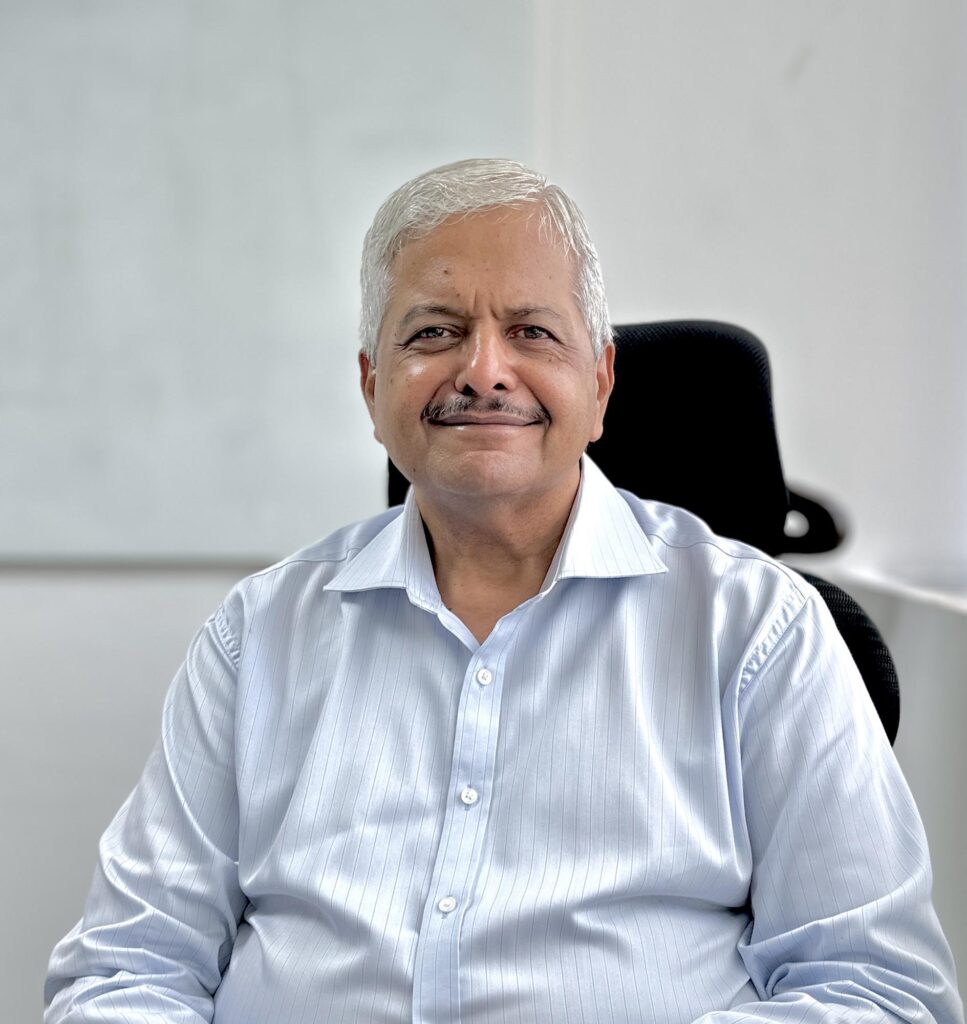
In an industry long characterised by fragmentation and operational inefficiencies, Sakshi Vij, Managing Director of Carzonrent (India), is steering the company towards a fundamentally different vision – one where mobility becomes seamless, predictable, and almost invisible for enterprises. With a strong focus on technology, partnerships, and scalable operations, the company is positioning itself as a long-term mobility partner rather than just a service provider.
Moving Beyond Transportation to Mobility Integration
At the core of Carzonrent’s strategy lies a clear philosophical shift – removing mobility as a daily operational concern for businesses.
“Mobility today is still highly fragmented and inefficient across markets. Our objective is to eliminate that complexity for enterprises so they can focus entirely on their core operations. We want mobility to be seamless, predictable, and almost invisible in the background,” Vij explains. “This is not about providing vehicles – it’s about delivering an integrated mobility experience.”
This approach is reflected in the company’s platform-first model, which enables it to cater to diverse use cases – from employee transportation to CXO travel and gig workforce mobility.
“Our strength lies in our ability to connect the right vehicle to the right use case through a scalable, tech-driven platform. As we expand globally, we retain this core capability while adapting to local market nuances,” she notes.
Driving Growth Through Enterprise Relationships
Operating in a highly fragmented corporate mobility market, Carzonrent is less focused on chasing market share metrics and more on building long-term enterprise partnerships.

“It’s difficult to quantify market share in a fragmented ecosystem like ours. Instead, we position ourselves as a long-term mobility partner for enterprises. Reliability, consistency, and scale are what define us,” says Vij. “Our biggest growth lever over the next few years will be strengthening these enterprise relationships and building predictable, recurring business.”
This emphasis on predictability is emerging as a critical differentiator in a sector often plagued by volatility.
Asset-Light Model as a Strategic Advantage
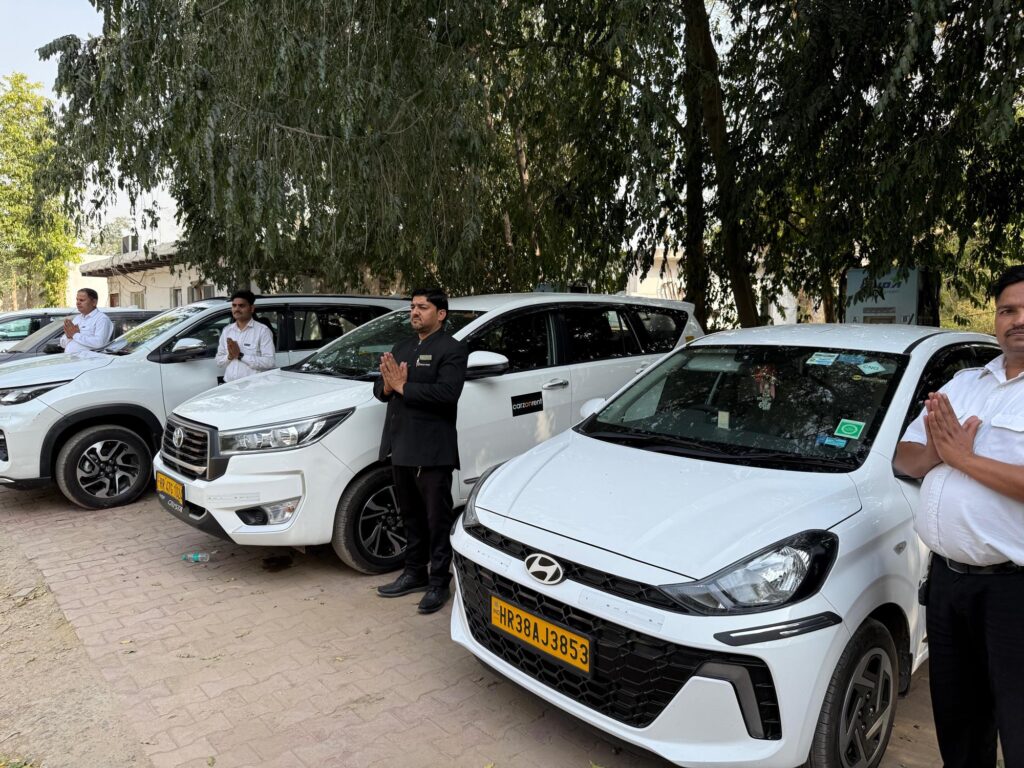
Unlike traditional fleet operators, Carzonrent operates an asset-light model, working closely with dedicated fleet partners rather than owning vehicles.
“We don’t own vehicles directly – our partners do. Their responsibility is vehicle upkeep and lifecycle management, while we focus on ensuring demand consistency, service quality, and technology enablement,” Vij explains. “This creates a win-win ecosystem where partners improve earnings while we deliver consistent service to clients.”
This model also allows the company to remain agile while scaling operations across geographies.
Balancing Cost Pressures with Technology
Fleet management in India continues to face the classic ‘iron triangle’ – fuel costs, maintenance, and driver availability. Carzonrent’s response has been to lean heavily on technology and operational standardisation.
“Fuel costs are largely external variables, so our strategy is to focus on what we can control – predictability and efficiency. Our systems monitor driver behaviour, attendance, and vehicle usage in real time,” Vij says. “We also work collaboratively with corporate clients to ensure pricing remains fair while maintaining service quality.”
Scaling Consistency Across Tier 2 and Tier 3 Markets
As corporate demand expands beyond metros, maintaining consistent service quality becomes increasingly complex. Carzonrent addresses this through centralised operations.

“We operate through a national command centre that monitors fleet performance across geographies in real time. Our systems are fully centralised, so service quality is not dependent on location,” Vij explains. “Whether it’s a metro or a Tier 3 city, the customer experience remains consistent.”
Strengthening Financial Discipline and Operational Efficiency
The company’s recent growth trajectory has been anchored in predictability, partner ecosystem stability, and technology-led efficiency.
“Our top-line growth has been driven by predictable demand and stronger enterprise relationships. At the same time, investments in automation and technology have improved operational efficiency, helping us maintain bottom-line stability,” says Vij.
On the financial side, disciplined credit management continues to be a priority.
“We typically operate on a 30-day credit cycle. While delays can happen, we manage them through strong governance, structured SLAs, and close collaboration with clients to ensure smoother collections,” she adds.
Leadership, KPIs, and Execution Discipline
Internally, Carzonrent follows a specialised organisational structure, separating business development from operations to drive efficiency and accountability.
“We believe in specialisation. Business teams focus on acquiring high-quality clients, while operations ensure consistent service delivery,” Vij notes.
At the leadership level, performance is measured through a balanced scorecard.
“The three non-negotiables for our leadership team are revenue and growth delivery, operational efficiency, and service quality – measured through customer feedback and NPS. It’s about balancing hard numbers with customer experience,” she explains.
Execution discipline remains a cornerstone of the organisation.
“We follow a structured review rhythm – daily check-ins, weekly reviews, and monthly strategic discussions. This ensures that boardroom strategies translate into consistent on-ground execution,” Vij adds.
Leveraging Data and AI for Competitive Advantage
Data-driven engagement is increasingly becoming central to client relationships.
“We provide detailed performance insights, utilisation trends, and analytics to our clients. These are not just reports – they are collaborative tools that help improve efficiency and strengthen long-term partnerships,” Vij says.
On the technology front, the company is taking a pragmatic approach to AI adoption.
“For us, AI is about contextual application. We are starting with areas like customer service automation where impact is immediate. Over time, this will extend to demand forecasting and operational optimisation,” she explains.
EV Transition and Future Readiness
Sustainability is another key pillar of Carzonrent’s roadmap, with a gradual but steady transition towards electric mobility.
“We are expanding our EV fleet in line with growing demand from corporate clients. As a B2B mobility provider, adoption depends largely on client readiness,” Vij notes. “We are also working with charging infrastructure partners to ensure operational feasibility across markets.”
The Road Ahead – A Global Mobility Platform
Looking ahead, Carzonrent’s ambitions extend beyond India, with a clear roadmap for global expansion.
“Over the next three years, we aim to establish a presence across 100 cities globally. We also expect our international business to contribute around 10% of overall revenue,” Vij shares. “That would mark our transition into a truly global mobility platform.”
At the same time, the company remains cautiously optimistic about emerging segments like self-drive mobility.
“The self-drive segment is still evolving in India. It has strong potential, but adoption will take time. We are investing steadily and will scale as the market matures,” she concludes.