Primus Partners has called for urgent reforms in India’s driver training and licensing ecosystem, highlighting it as a key missing link in tackling the country’s rising road accidents and fatalities.
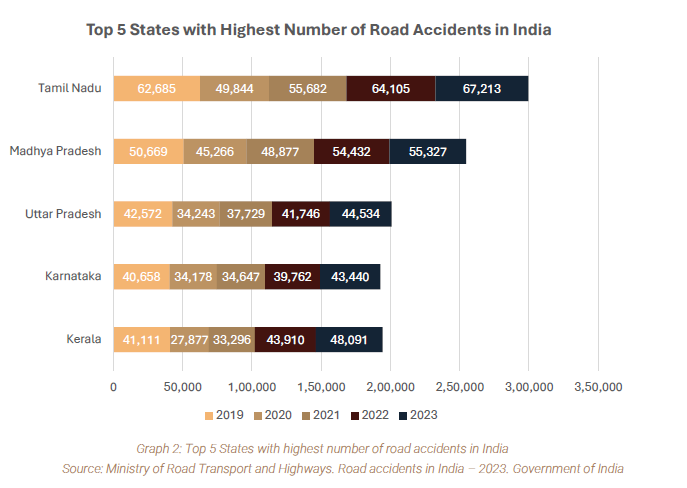
In its latest thought leadership report, Rethinking Driver Training: A Road to Safer Traffic, the firm argues that despite stronger laws, better enforcement and improved road infrastructure, accident rates continue to climb due to deeper behavioural and systemic issues.
The report points to a fundamental concern — a large number of drivers in India enter the system without formal training and receive little to no skill development after obtaining a licence. This, it notes, leads to gaps in real-world driving ability, particularly in areas such as hazard perception, defensive driving and decision-making in complex traffic situations.
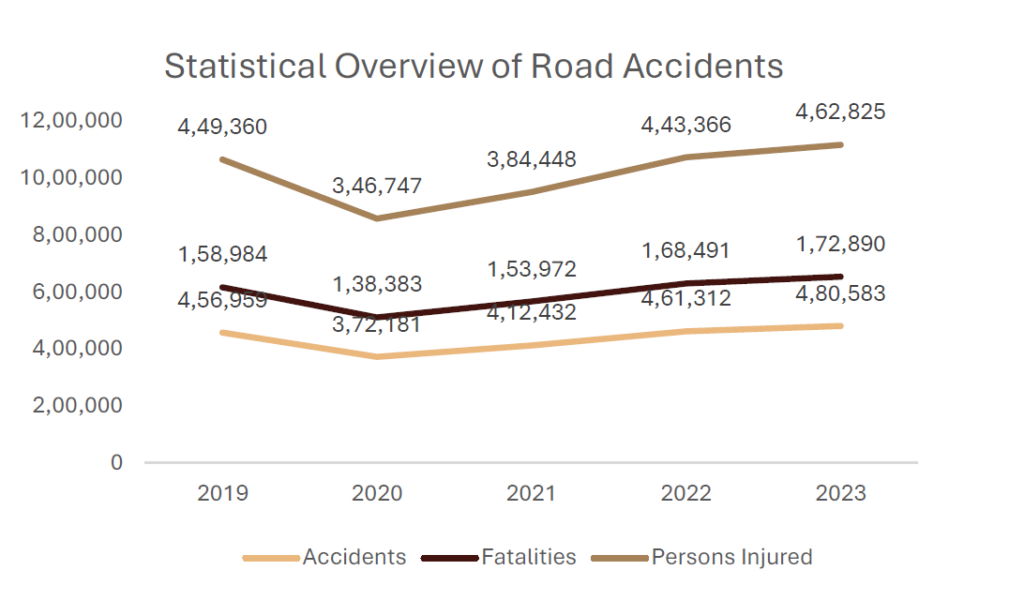
According to the report, India’s current licensing framework remains largely procedural, focusing more on basic compliance than on assessing actual driving competence. This weakens the impact of broader road safety measures and limits their effectiveness on the ground.
Ms. Aarti Harbhajanka, Co-founder and Managing Director, Primus Partners, said that driver training must be treated as a core reform area rather than a supporting one. She emphasised that safer roads depend on drivers’ awareness, judgement and responsibility, which can only be developed through structured and behaviour-focused training systems.
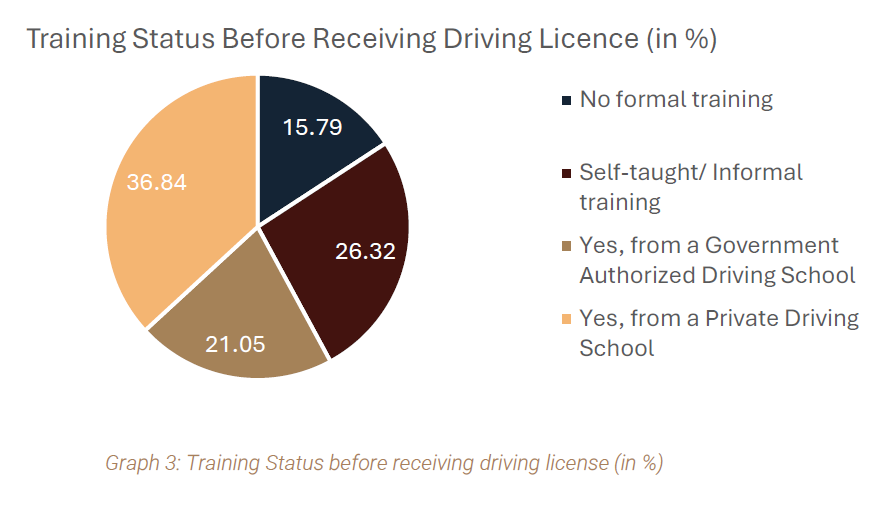
Echoing this view, road safety advocate Mr. Raghavendra Kumar, popularly known as the Helmet Man of India, said that road safety is ultimately about mindset. He noted that lack of awareness, poor judgement and inadequate training continue to cost lives daily, and called for continuous and structured training to build responsible driving behaviour.
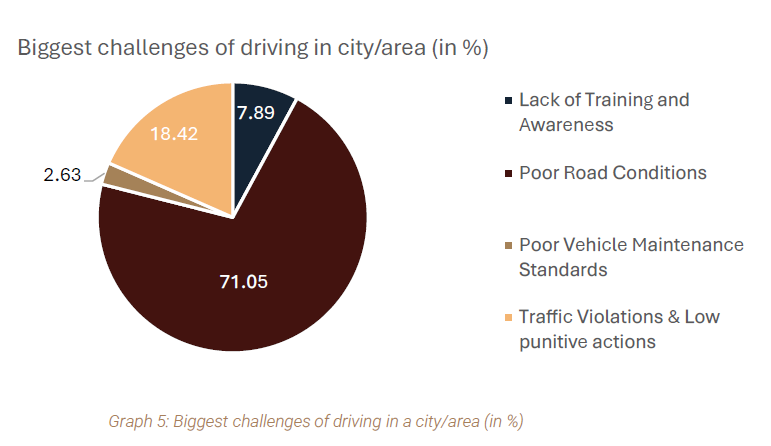
Mr. S.N. Dhole, Head – Technical Secretariat at the Central Institute of Road Transport, added that while India has made progress in vehicle standards and regulations, safety outcomes depend equally on driver competence and discipline. He stressed the need for objective testing, structured learning and ongoing skill reinforcement to make the licensing system more meaningful.
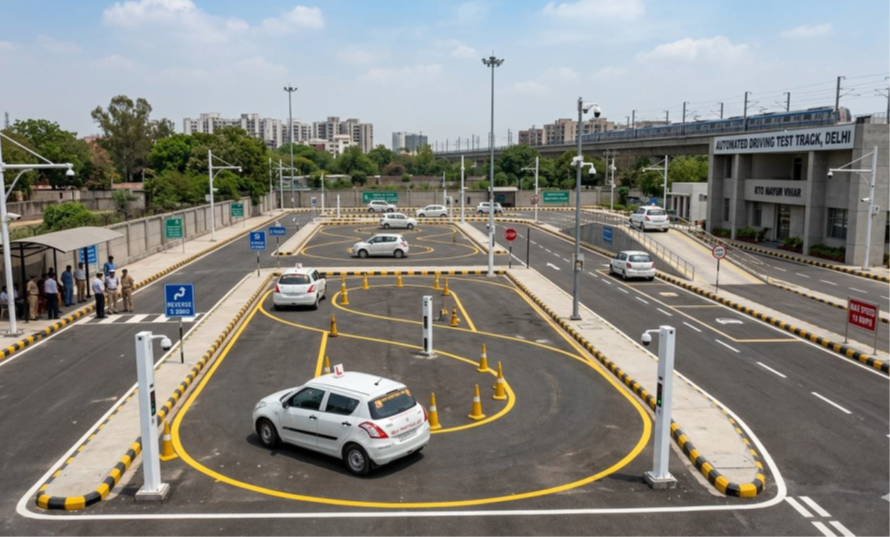
The report positions structured driver training as a scalable and high-impact solution. It recommends a shift towards competency-based licensing, mandatory training frameworks and continuous skill development. It also outlines a phased reform approach that includes improved training standards, technology-enabled testing and long-term behavioural monitoring.
By placing driver capability at the centre of policy, the report calls for a move away from a reactive, enforcement-driven approach towards a more preventive system focused on building skilled, aware and responsible drivers — a shift it says is essential to reducing accidents and saving lives on Indian roads.