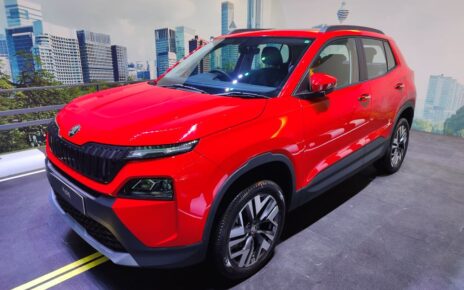
Maruti Suzuki India Limited has achieved a significant milestone with its Manesar in-plant railway siding, dispatching one lakh vehicles since commencing operations in June 2025. The initiative has helped avoid an estimated 16,800 metric tonnes of CO2 emissions, reinforcing the company’s push towards greener logistics.
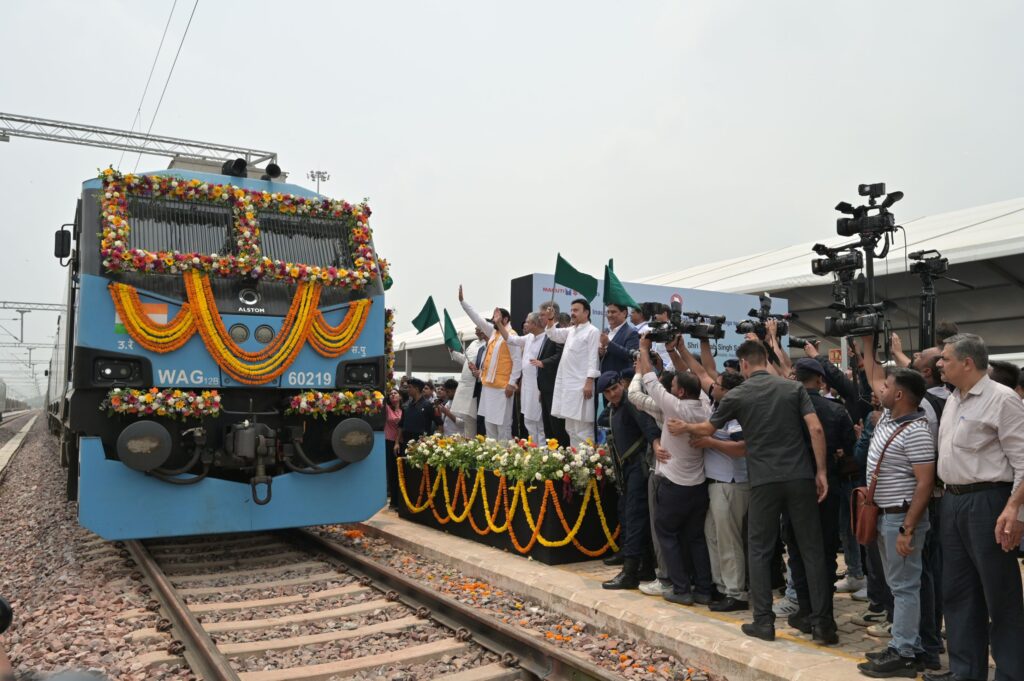
Recognised as India’s largest automobile in-plant railway facility, the Manesar siding has handled over 500 train rakes, transporting popular models such as Alto, WagonR, Brezza, Dzire, Ertiga and Eeco produced at the company’s Gurugram and Manesar plants. The facility currently serves 380 cities through 17 hubs using a hub-and-spoke distribution model.
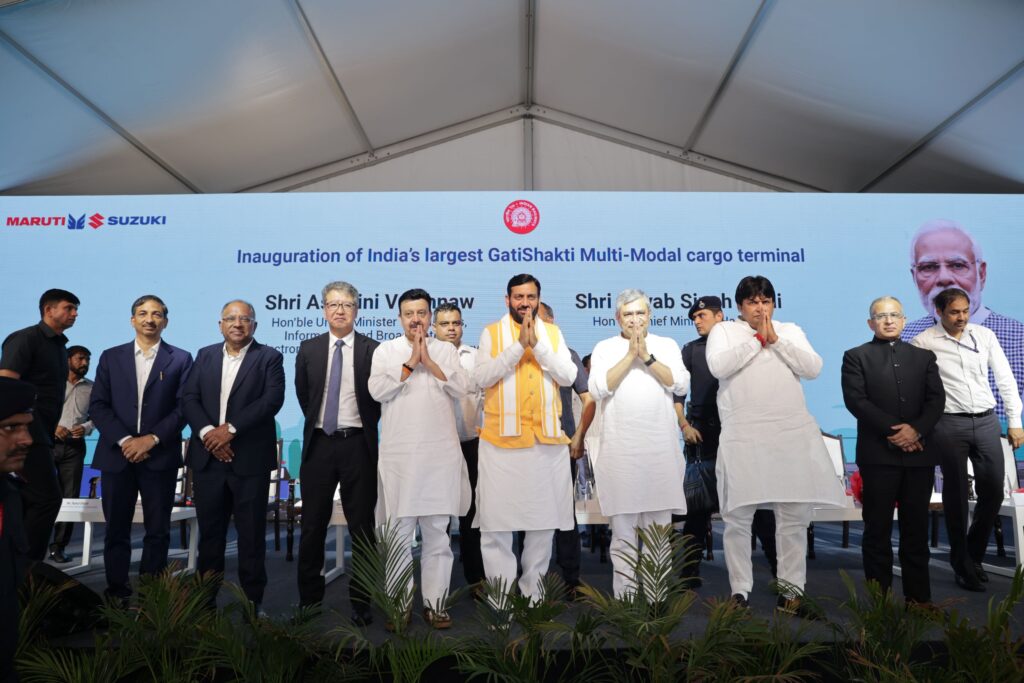
M. Hisashi Takeuchi, Managing Director and CEO, Maruti Suzuki India Limited, noted that the milestone was achieved within just nine months of inauguration. He highlighted that the initiative not only reduces carbon emissions but also helps ease road congestion. At full capacity, the siding is capable of dispatching up to 4.5 lakh vehicles annually.
Maruti Suzuki has been steadily increasing its reliance on rail-based logistics. In calendar year 2025, the company dispatched over 5.85 lakh vehicles via rail, with rail share in outbound logistics rising from 5 percent in 2016 to 26 percent in 2025. The company now aims to increase this share to 35 percent by FY 2030-31.
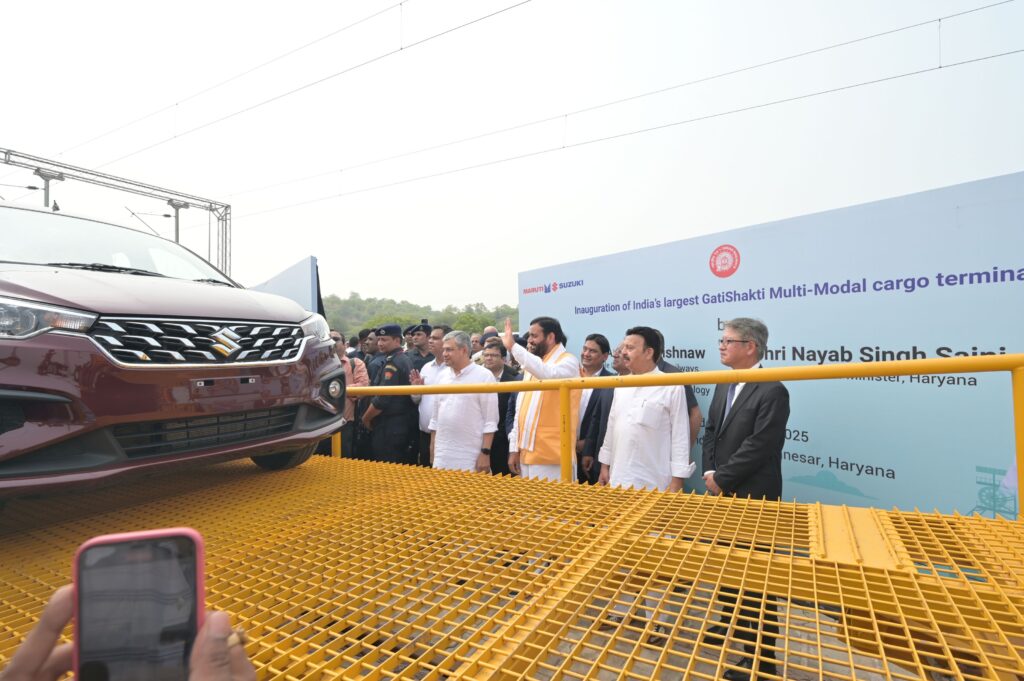
A pioneer in rail logistics, Maruti Suzuki became the first automobile company in India to secure an Automobile-Freight-Train-Operator (AFTO) licence in 2013. Since FY2014-15, it has transported more than 29.5 lakh vehicles through rail.
The Manesar facility, spread across 46 acres, is part of the PM GatiShakti National Master Plan and the 126-km Haryana Orbital Rail Corridor. Developed with an investment of around ₹452 crore, the siding features a fully electrified setup with multiple tracks, advanced interlocking systems and dedicated infrastructure for efficient operations.
The initiative aligns with the company’s sustainability goals and India’s broader climate commitments, marking a key step towards building a more efficient and environmentally responsible logistics network.