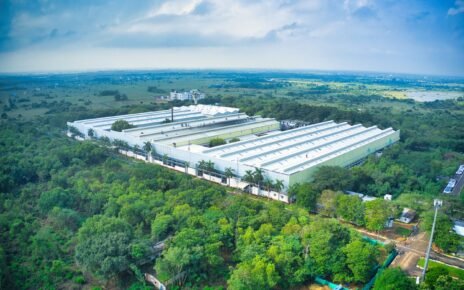
In a landmark achievement for sustainable logistics, Maruti Suzuki India Limited has announced that its Gujarat in-plant railway siding has become the world’s first Modal Shift Transportation Project to be registered under the Verified Carbon Standard (VCS) programme of Verra. The recognition positions India at the forefront of global decarbonisation efforts in automotive logistics.
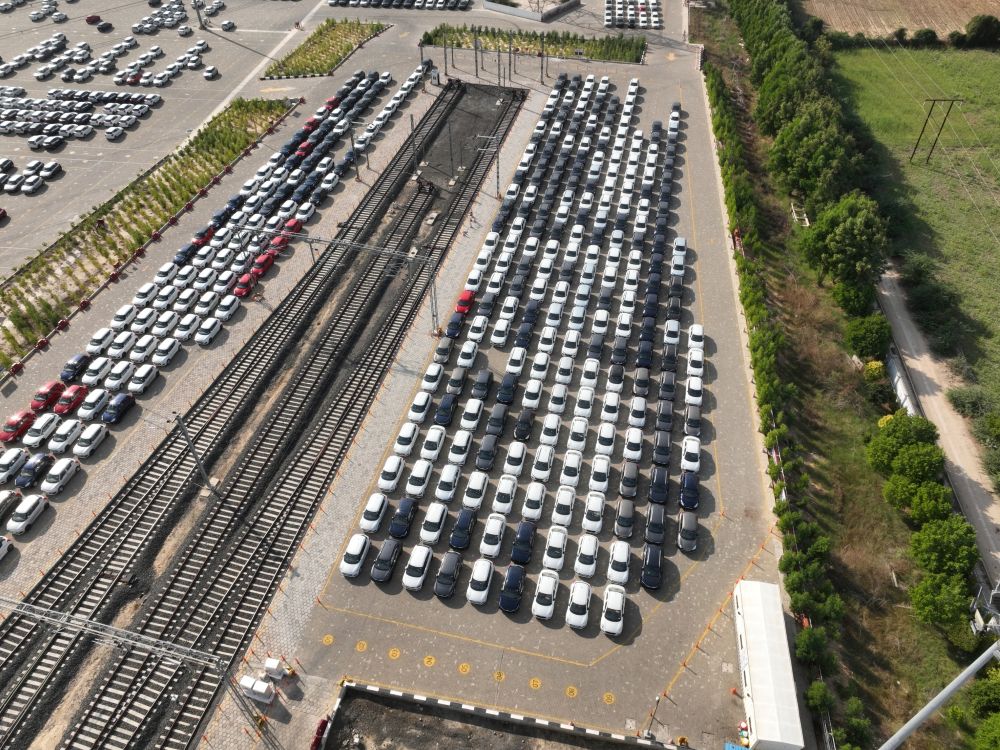
The project, which shifts vehicle dispatches from road to rail, is expected to generate nearly 1.7 lakh carbon credits over a 10-year crediting period from FY24 to FY33. Rail-based transportation is significantly more energy-efficient than road movement, resulting in lower emissions, reduced congestion, and decreased fossil-fuel use across the logistics chain.
Carbon savings from the Gujarat facility have been calculated using the AM0090 methodology under the Clean Development Mechanism (CDM) of the United Nations Framework Convention on Climate Change (UNFCCC). After independent verification, Verra will issue the carbon credits to Maruti Suzuki, marking a global first for a logistics-focused modal shift project.
Calling this a major sustainability milestone, Mr. Hisashi Takeuchi, Managing Director & CEO, Maruti Suzuki India Limited, said, “This is a proud moment for Maruti Suzuki as our Gujarat in-plant railway siding is recognized as the world’s first Verra-registered Modal Shift in Transportation project. By transitioning vehicle movement from road to rail, the project demonstrates how scale, operational efficiency and environmental responsibility can seamlessly go hand in hand.”
He added that the rail-based logistics model has cut the company’s carbon footprint while easing road congestion and lowering fuel dependence, aligning with India’s long-term net-zero ambitions.
The initiative also advances key UN Sustainable Development Goals, including Good Health and Well-being (SDG 3), Decent Work and Economic Growth (SDG 8), and Climate Action (SDG 13), signalling a broader impact beyond emissions reduction.