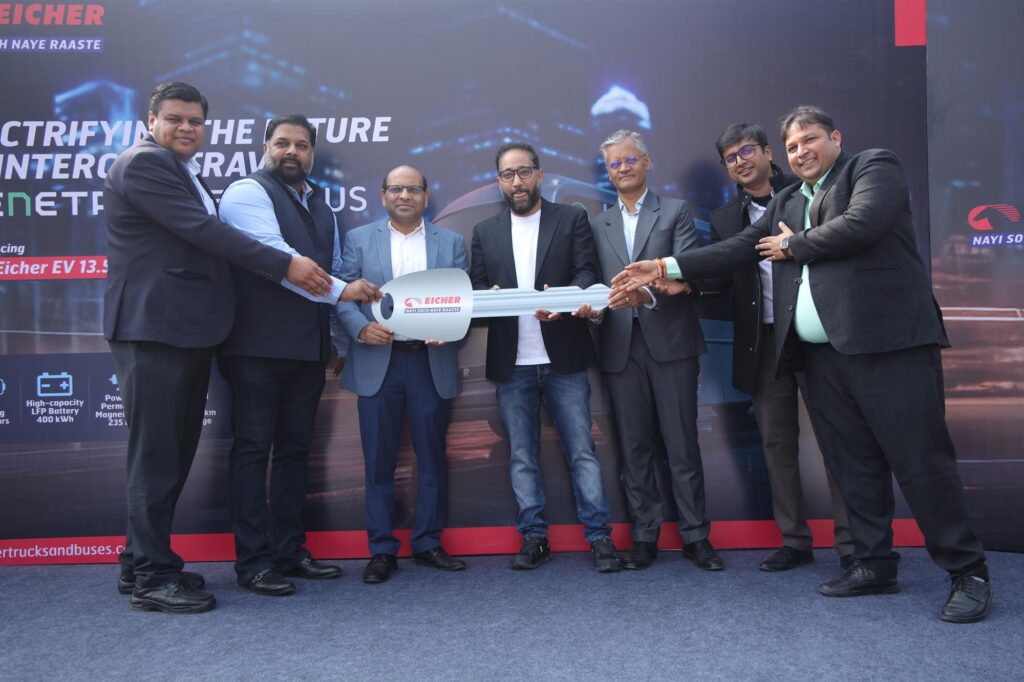
LeafyBus recently crossed a defining milestone in India’s electric mobility journey by partnering with Eicher Trucks & Buses to deploy 100 Skyline Pro E 13.5m electric intercity sleeper buses on major national corridors. With the first 35 buses scheduled for rollout by March 31, 2026, the collaboration marks one of the largest structured deployments of long-distance electric sleeper coaches in the country and signals that intercity EV travel is moving decisively beyond pilot projects into scalable operations.
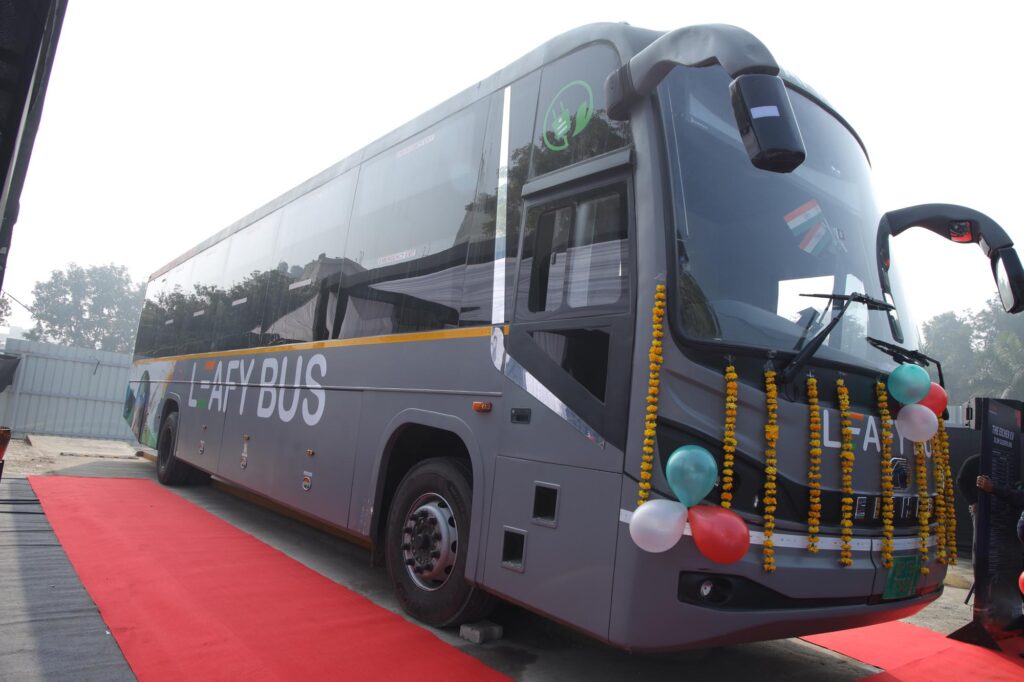
The buses will be leased and enabled by Enetra EV Private Limited, allowing LeafyBus to accelerate expansion while maintaining capital discipline. Initial routes include Delhi–Dehradun and Delhi–Lucknow, with several additional high-demand corridors planned over the next 18 months. For LeafyBus, the partnership validates a thesis it has been building quietly but steadily; that electric buses can deliver reliability, comfort, and commercial viability even on long-haul routes.

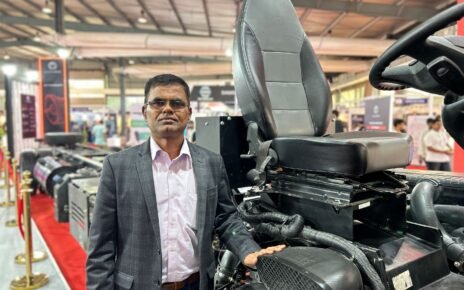
Introducing the company’s vision, Mr. Rohan Dewan, Co-Founder of LeafyBus, says, “India is at a turning point where long-distance mobility must transition beyond diesel. Partnerships like this allow us to scale electric intercity travel in a way that passengers trust and investors can support. The real shift happens when EV travel is no longer experimental, but consistent, comfortable, and economically viable.”
Building India’s First Intercity Electric Bus Platform
LeafyBus was founded on a simple but ambitious idea; electric mobility should not stop at city limits. While much of India’s EV adoption has focused on short urban routes, intercity travel represents a far larger opportunity, both in passenger volumes and in emissions reduction. Millions of people travel between cities every day, often on diesel buses that consume large amounts of fuel and contribute significantly to pollution.
Today, LeafyBus is building what it describes as India’s first dedicated platform for long-distance electric bus operations. The company operates electric intercity coaches on select corridors, manages charging infrastructure, and integrates digital systems for safety, monitoring, and reliability. Rather than positioning itself purely as a fleet owner, LeafyBus functions as an operator-led platform that brings together vehicles, infrastructure, technology, and people into a single operating system.
As Co-Founder, Mr. Dewan’s role spans strategy, partnerships, and ecosystem building. This includes working closely with OEMs, charging providers, governments, and financiers to create models that scale predictably. “Our goal is not just to run buses,” Mr. Dewan explains. “We are building the operational backbone that allows intercity electric mobility to function reliably in real-world Indian conditions.”
A Collaborative Operating Model for Scale
Intercity electric mobility, according to LeafyBus, cannot scale through a single-player approach. The company therefore operates through a hybrid model. It directly runs part of its fleet while also partnering with asset owners, OEMs, and infrastructure providers. LeafyBus acts as the system integrator, taking responsibility for route planning, scheduling, charging coordination, safety protocols, driver training, digital monitoring, and passenger experience.
This approach allows the company to remain capital-efficient while retaining operational control and service quality. It also reduces risk for partners by combining demand aggregation with execution expertise. Over time, this operator-platform model enables faster expansion than a purely asset-heavy strategy and helps build a more resilient intercity EV ecosystem.
Operationally, LeafyBus manages the entire value chain. From demand analysis and route design to charging strategy, fleet scheduling, and predictive maintenance, the company relies heavily on digital systems to ensure uptime. Onboard and backend tools track vehicle health, driver behaviour, and energy consumption in real time, helping prevent failures before they occur.
“We have learned that energy planning is as important as route planning,” Mr. Dewan notes. “Charging cannot be an afterthought. It has to be embedded into scheduling, depot design, and turnaround planning, otherwise even small inefficiencies can cascade into delays.”
Operational Learnings from Long-Distance EV Routes
High-demand corridors connecting major urban centres have shown the strongest utilisation for LeafyBus. Routes such as Delhi–Dehradun and Delhi–Lucknow combine consistent passenger demand, manageable distances for current battery technology, and relatively supportive highway infrastructure. These factors make them well suited for early intercity EV adoption.
One of the most important lessons has been the role of consistency in building passenger trust. Intercity travellers are far less forgiving than city commuters. Punctuality, cleanliness, safety, and comfort directly influence repeat usage. According to Mr. Dewan, once these expectations are met, adoption follows naturally. “Passengers may try electric buses out of curiosity,” he says. “They return because the experience is dependable.”
LeafyBus believes its strongest achievement so far has been proving that long-distance electric buses can operate reliably outside controlled pilots. The company has demonstrated that uptime, comfort, and safety can match diesel buses while offering lower running costs and zero tailpipe emissions. Technology plays a critical role here, not as a showcase, but as a practical tool for safety, monitoring, and efficiency.
Challenges, Enablers, and the Path to Viability
Despite progress, challenges remain. Highway charging infrastructure is still limited, and deploying fast chargers requires coordination with utilities, landowners, and regulators. Financing also continues to be a constraint, with limited long-term products tailored for intercity EV operations. These factors slow expansion and increase upfront effort.
However, the past 12 to 24 months have brought decisive changes. Battery technology has improved, enabling 250 to 300 km routes with predictable performance. Fast-charging solutions have matured, reducing downtime. Policy and investor sentiment have also shifted, with broader acceptance that intercity EVs are commercially viable rather than experimental.
Localisation and digital fleet management further strengthen confidence. LeafyBus adapts vehicle configurations, battery management, and scheduling to regional conditions instead of applying a single template nationwide. Real-time diagnostics and data analytics improve uptime, pricing accuracy, and utilisation. “The more we operate, the smarter the system becomes,” Mr. Dewan says.
Positioning for the Next Phase of Growth
Looking ahead, LeafyBus is focused on selective route expansion, strengthening charging infrastructure, improving unit economics, and deepening strategic partnerships. The company plans to add at least one new electric corridor every month, while continuing to invest in fast-charging hubs and depot infrastructure.
The Eicher partnership plays a central role in this next phase. The Skyline Pro E 13.5m electric sleeper buses are designed specifically for long-distance comfort and efficiency, featuring a 36+D sleeper layout, a 400 kWh LFP battery, a 235 kW permanent magnet motor, and advanced safety and suspension systems.
LeafyBus sees its future not just as a fleet operator, but as the operator-platform for intercity electric mobility. “As adoption accelerates, complexity will increase,” Mr. Dewan concludes. “Our role is to orchestrate that complexity while keeping the passenger experience simple, safe, and reliable. If we do that well, LeafyBus becomes part of India’s green intercity transport backbone.”