He moves forward to a global stage, leaving behind a transformed organisation that stands strong, stable, and ready for what comes next.
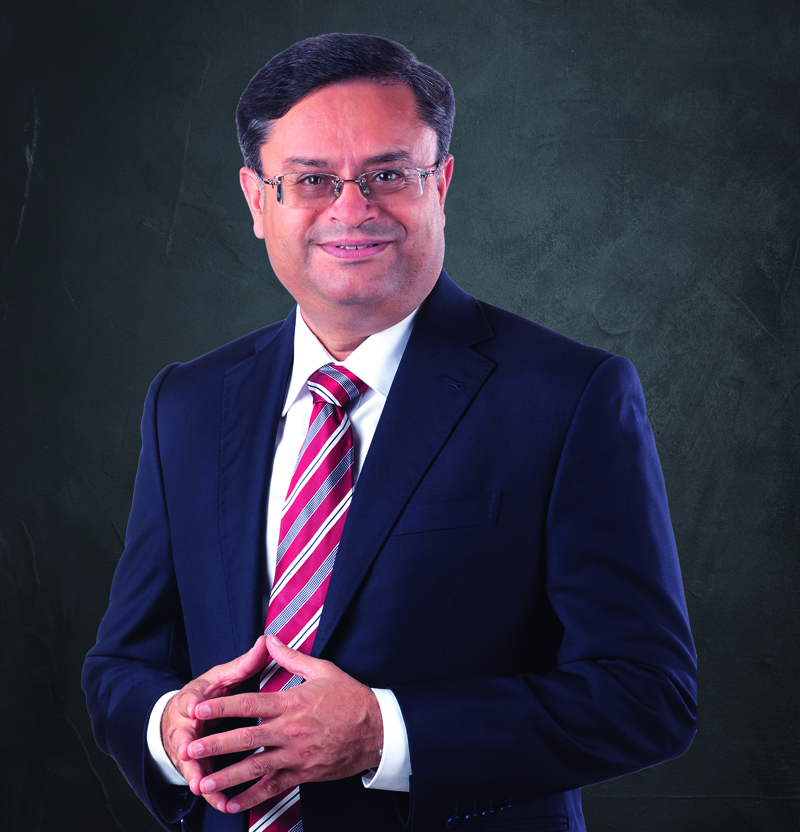
In a short span of just a few months, Daimler India Commercial Vehicles (DICV) has quietly achieved something rare in the global commercial vehicle world – three major milestones in a row that now place India at the heart of Daimler Truck’s future plans.
It all began less than five months ago when Daimler Truck announced DICV as a key pillar of its global operations. Soon after, the Indian team was given an even larger responsibility. Daimler Truck began setting up a brand-new manufacturing facility in Indonesia and this new project was entrusted to the very same DICV team that built the factory in India from the ground up.
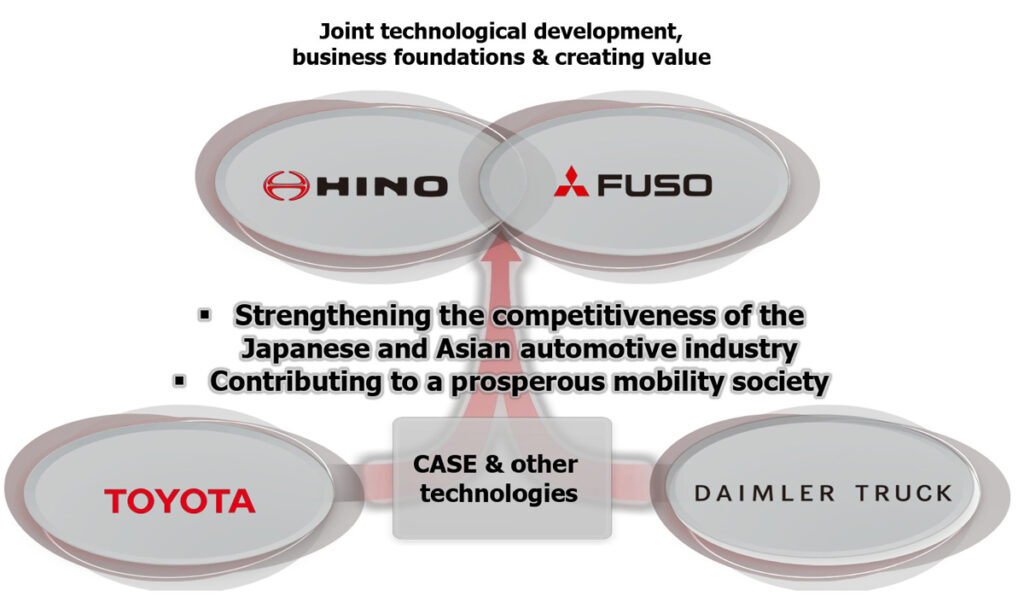
The third and biggest moment followed four months later. DICV’s Managing Director and CEO, Mr. Satyakam Arya, was elevated as President and CEO of Hino Motors, Japan, with effect from April 1, 2026. From Tokyo, he will now lead Hino’s global operations and transformation – a move that comes at a critical time, as Toyota Motor Corporation and Daimler Truck prepare for the integration of Mitsubishi Fuso and Hino Motors.
Another landmark may be on the horizon, as India is being studied as a potential engine supply base for global operations.
A New Chapter Begins
Speaking on his new role, Mr. Arya told MOTORINDIA that he was “much excited” about taking on this responsibility in Japan. As he prepares to move to Japan for his new global role, Mr. Arya described the transition as being part of a much larger transformation now unfolding in the Asian commercial vehicle space. At the heart of this change is a major restructuring that will bring together two powerful truck brands under one new global framework.
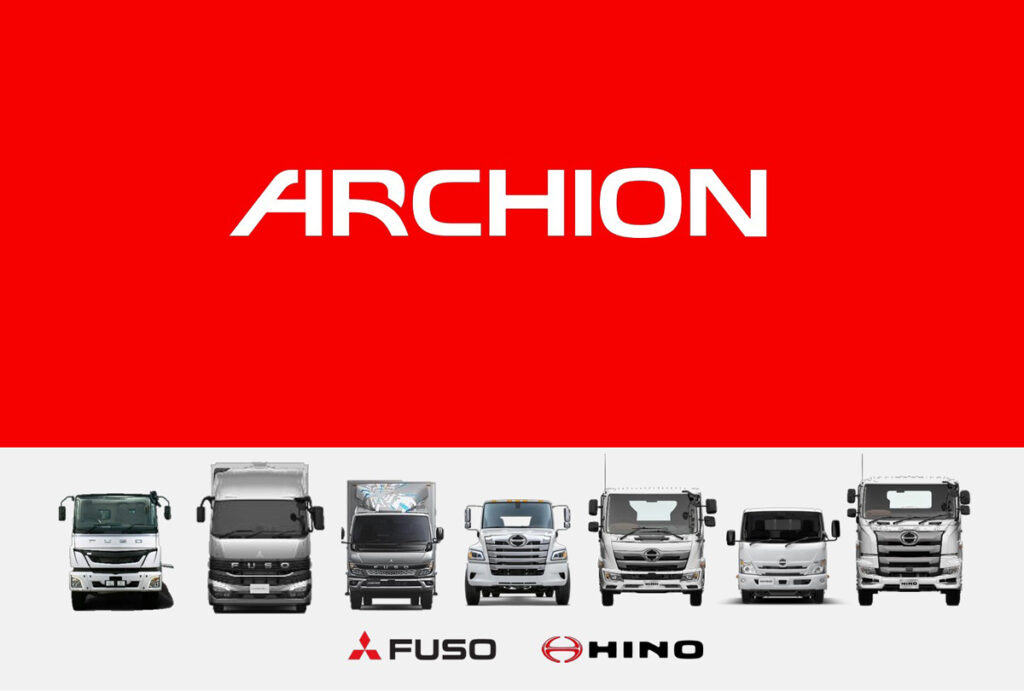
In a significant consolidation move, Daimler’s Mitsubishi Fuso and Toyota’s Hino Motors are being brought together to form a new Asian Commercial Vehicle powerhouse. To lead this transition, a new group holding company named Archion has been created. Under this structure, both Hino and Fuso will continue to operate as separate companies, but under the common ownership and direction of Archion.
The ownership model reflects the balance of this partnership. Daimler Truck and Toyota Motor Corporation will each hold a 25% stake in Archion, while the remaining 50% will be listed on the Japanese stock market. As part of this transition, Hino Motors, which is currently a listed company, will be delisted and will become a wholly owned subsidiary of Archion. Within this new setup, Mr. Arya will take charge of leading Hino through what is expected to be one of the most important phases in its history. From driving operations to shaping long-term strategy, his role will be key in guiding Hino through integration, transformation, and growth within the new group structure. It is a responsibility that reflects both trust and expectation – and signals how Indian leadership is now shaping decisions at the very top of the global commercial vehicle industry.
Leading Indonesia Chapter
Talking on the Indonesia responsibility, Mr. Arya said, “the Indian team has been asked to guide Daimler Truck’s business there, using India’s experience in localisation, cost control, and market building. With Indonesia’s Free Trade Agreements opening doors to regional expansion, this partnership shows how India’s expertise is now shaping Daimler’s future in South-East Asia as well.”
Seven Years that Changed the Game
During his seven-year journey at DICV as MD & CEO, Mr. Arya quietly led one of the most meaningful transformations the Indian commercial vehicle industry has seen in recent times. His focus was clear from the start – build for India, think long term, and raise the bar on value, safety, and sustainability.
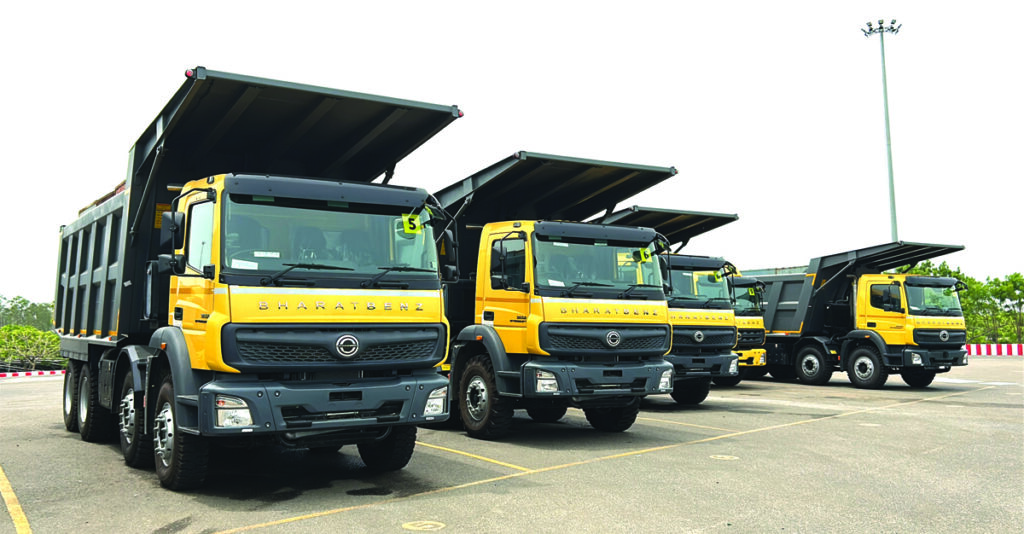
One of his biggest moves by the global company when it entered the country was the creation of BharatBenz as a brand designed specially for Indian conditions and customers. It was more than just a new nameplate. It showed that India had become a priority market in Daimler’s global plans. Along with this, he said, came a fresh way of selling trucks – shifting the discussion from just price to total cost of ownership. Operators were encouraged to look beyond the sticker price and focus on fuel efficiency, uptime, service, and long-term profitability.
Product innovation became another clear hallmark of this phase. From the beginning, DICV became the first in India to move away from basic cowl chassis and instead sell fully built, safer trucks. It introduced driver state monitoring as a standard feature across its heavy-duty range, brought European crash safety standards to the Indian market, and was also the first to offer proper air conditioning in the mass commercial vehicle segment. These were not small upgrades – they changed what Indian drivers could expect from their trucks.
Sustainability was treated as a responsibility, not a trend. Under Mr. Arya’s watch, DICV became the first in the Indian CV space to commit to running its plant fully on renewable energy for Scope 2 emissions by 2025. At the same time, the company achieved what many thought was impossible – it became the first in the Indian automotive and commercial vehicle industry to turn profitable despite heavy investments and rapid scaling.
From India to the World
Daimler’s confidence in India was clear right from the start. The company invested nearly one billion Euros in the early phase and continued to pour in steady investments over the last 12 years, seeing India as a long-term, high-growth market. This support helped DICV build not just factories, but a full ecosystem. With more than 90% localisation, a dedicated BharatBenz brand, and an exclusive sales and service network, the India operation developed strong roots on home soil.
But DICV’s role soon went far beyond serving only the domestic market. Trucks and buses built in India today shipped to over 65 countries across the world, carrying global Daimler brands such as Mercedes-Benz, Freightliner, and Mitsubishi Fuso. India has also become a key global manufacturing hub. Medium-duty transmissions for the world are now produced exclusively in India, after production was shifted from Germany. At the same time, Daimler sources parts from nearly 100 Indian suppliers for its global operations, quietly turning India into a vital link in its worldwide supply chain.
India’s Engineering Strength Meets Japan’s Legacy
India is being actively explored as a global medium-duty sourcing base for Daimler Truck. Work is also underway on a new common cabin platform for medium-duty trucks that will serve both Indian and European markets. This programme brings together shared engineering expertise from India, Europe, and even Brazil, showing how Indian engineers are now part of global product creation from day one. At the same time, the company is studying the possibility of sourcing engines from India for global use – another step towards making the country a key manufacturing centre for the world.
Powerful Lessons
As Mr. Arya prepares to take on his new responsibilities in Japan, he plans to carry with him some of the most powerful lessons learned in India. One is the ability to work in a fast-changing, high-pressure, and highly competitive environment. Another is the strong Indian culture of frugality and innovation – doing more with less, and still finding ways to create breakthrough ideas. These habits, built over years in India, now become his biggest strengths on the global stage.
In Japan, a very different challenge awaits him. He will be leading Hino Motors, a company with a proud 90-year legacy and a strong global footprint. Under the new Archion framework, there is a great opportunity to create real synergies between Hino and Mitsubishi Fuso. Common platforms, shared procurement, and aligned operations can help bring down costs while opening new paths for growth and revenue.
For Mr. Arya, these are not hurdles, but opportunities. The speed and agility learned in India, combined with Japan’s deep engineering heritage, could shape a powerful new chapter for Asian commercial vehicles. And once again, the story connects back to India – as the place where many of these global ideas first took root.
Step by step, decision by decision, these changes reshaped not just one company, but also the standards of the wider industry. And today, as Mr. Arya takes on a global role, these seven years in India stand as a strong foundation for the journey ahead.
Leaving on a High Note
As he looks back on his years at DICV, Mr. Arya speaks with quiet gratitude and confidence. He believes he is handing over a company that is strong, stable, and full of momentum. During his leadership, DICV completed a full turnaround – from being a loss-making operation to becoming a profitable one. The market share nearly doubled, and the service network grew from about 170 touch points to over 400 across the country, even through the difficult years of the COVID-19 pandemic. For him, these numbers are more than achievements – they reflect years of teamwork, persistence, and belief. As he steps into a global role, he leaves behind an organisation that is future-ready, built on solid foundations, and prepared for its next phase of growth under new leadership.