Windsor delivers A-segment pricing, B-segment footprint and C-segment space—creating a value proposition that’s almost impossible to beat.
By T. Murrali
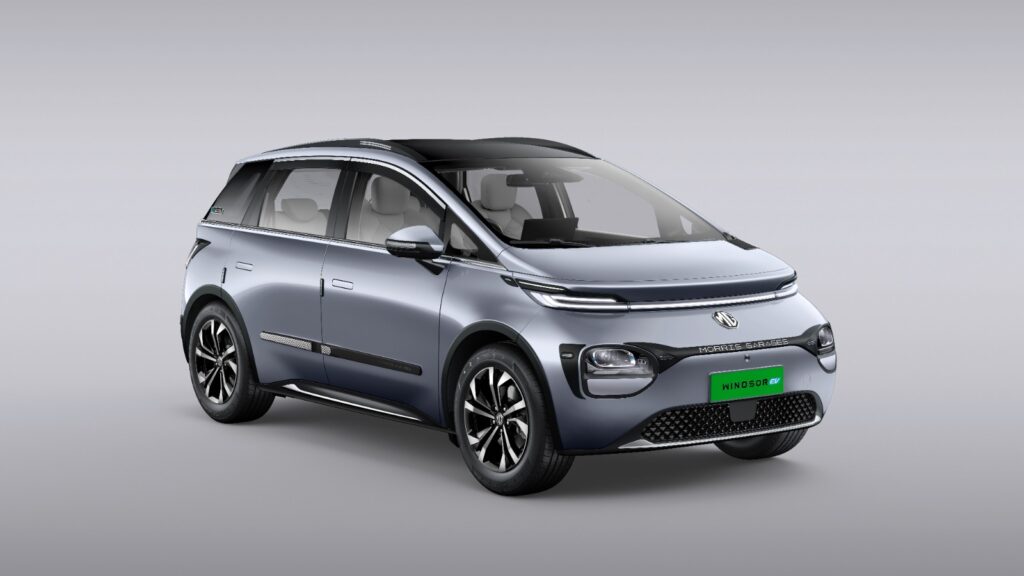
In just over a year, the JSW MG Windsor has rewritten the rules of India’s electric-vehicle market. It didn’t just climb to the top—it became the country’s No. 1-selling EV of 2025, recording an unprecedented 46,735 units in a single calendar year. No electric model has ever reached those annual numbers before, and the Windsor has done it by connecting with the one audience that decides the fate of mass mobility in India: the family buyer.
The story is simple. People wanted an EV that felt roomy, comfortable and familiar, yet modern enough to justify the leap into electric. Windsor delivered exactly that. Its generous space, smooth drive, feature-rich cabin and clean, futuristic design turned hesitant shoppers into confident first-time EV owners. In the process, it became one of India’s most awarded and widely recognised electric cars.
This demand didn’t just lift the product—it powered JSW MG Motor India to a strong finish in 2025, with overall growth of 19 percent and EV sales shooting up by 111 percent over the previous year. As India’s first Intelligent CUV, the Windsor blends sedan-like comfort with SUV practicality and offers flexible ownership through a Battery-as-a-Service (BaaS) plan starting at ₹9.99 lakh plus ₹3.9 per km. With 100 kW of power, 200 Nm of torque and two battery choices—38 kWh for 332 km and 52.9 kWh PRO for up to 449 km—it meets the daily needs of urban and highway users alike.
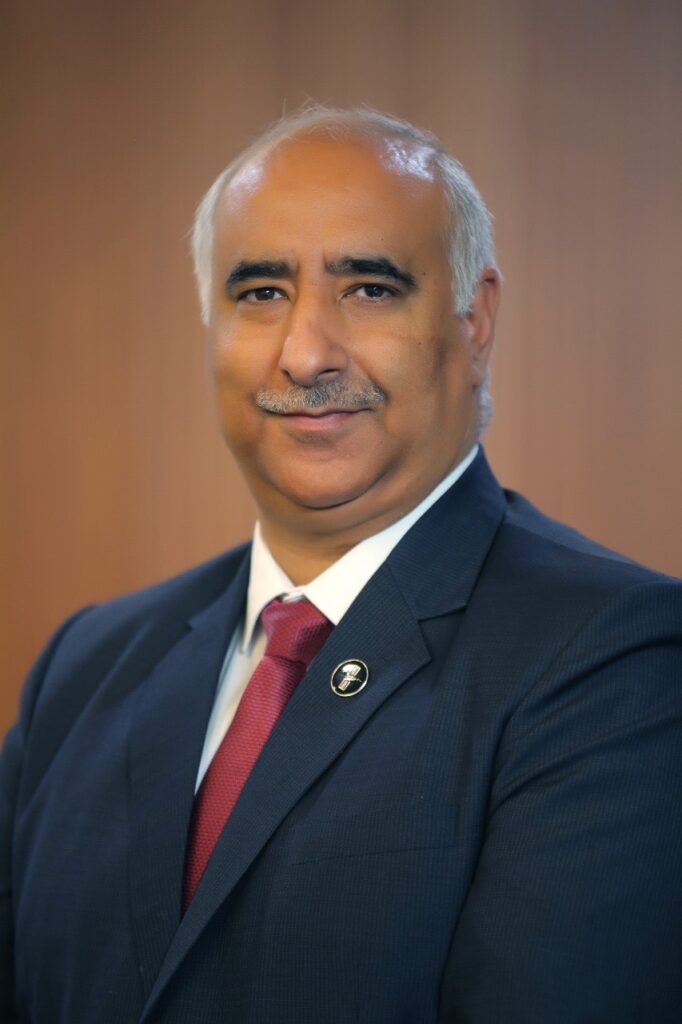
Six quarters after launch, the momentum hasn’t slowed. As Vinay Raina, Chief Commercial Officer at JSW MG Motor India, puts it, Windsor has become the benchmark for India’s four-wheeler EV segment, crossing 50,000 units in just over a year—a first for the industry. Buyers weren’t doubtful about EVs, he says. They simply wanted the right mix of space, comfort, range and features at a sensible price. Windsor offered that balance and changed expectations for what an EV in its class could be.
To make the shift to electric even easier, JSW MG also introduced several first-of-its-kind initiatives. JSW MG backed the Windsor with a set of bold, customer-first initiatives. The BaaS model lowered the upfront cost by separating the battery from the vehicle price, allowing buyers to step into a full-sized electric car at ₹9.99 lakh—bringing it closer to comparable ICE models. To address resale worries, the carmaker introduced the 3-60 Assured Buyback programme, which guarantees 60% of the original value after three years. Adding further confidence was an industry-first lifetime battery warranty, directly tackling long-term concerns around battery health and ownership.
Together, these measures—amplified by strong word-of-mouth from early adopters—have turned the Windsor into a true disruptor. “In essence, it offers the price of an A-segment car, the footprint of a B-segment car, and the cabin space of a C-segment car – an unbeatable value proposition,” he reiterated.
Price Breakthrough
When the OEM introduced BaaS for the Windsor, the goal was clear: make electric ownership feel as easy and affordable as buying an ICE car. The battery had always been the most expensive part of an EV, and by separating its cost from the vehicle price, it unlocked a lower entry point that changed the equation completely. For the first time, a full-sized EV could sit in the same price band as a petrol model—removing one of the biggest psychological and financial barriers for first-time EV buyers.
Like any new idea, BaaS needed time to earn trust. Customers were curious but cautious, unsure about a model that treated the battery like a service instead of an asset. The vehicle manufacturer tackled this by building a strong financial backbone around the programme. “We began this initiative with four NBFC partners and have since onboarded mainstream financial institutions to scale the program further. Other OEMs have also adopted this model, making Battery-as-a-Service more popular and widely accepted in the market. As awareness grows, we expect this innovative solution to attract more customers and play a significant role in accelerating EV adoption in India,” Mr. Raina said.
Wider Reach
One of Windsor’s most surprising achievements is how strongly it has performed outside India’s big cities. Nearly half of its sales now come from non-metro regions—places where charging networks are still catching up. The reason is straightforward: “the product fit was perfect,” he said. Families in these markets want a spacious, comfortable, low-running-cost vehicle, and Windsor delivered exactly that. JSW MG then built on this natural demand with targeted retail expansion, local ecosystem partnerships and clearer charging visibility through its digital tools.
As Windsor entered new territories, it created its own momentum. A stronger presence built trust, especially in regions that had very little EV exposure before. In many cities and towns, the car became the starting point of the EV movement. The OEM supported this with localised engagement, hands-on product experiences and active dealer-level outreach, ensuring buyers felt confident even in markets where infrastructure was still evolving.
The buyer profile tells a similar story. Windsor’s core customers are family-oriented Indians in their thirties and forties—married, with children, and looking for a premium yet practical car. They want space, comfort and technology that makes everyday use easier. A growing share of them are first-time car buyers choosing an EV from day one, a clear sign that electric mobility is no longer niche. Many Windsor owners sum it up simply: “EV sahi hai”—a line that “reflects growing confidence and enthusiasm for electric mobility,” he mentioned.
Smart Variants
The OEM has also kept the momentum alive through a smart variant strategy. Each Windsor version is differentiated in range, features and pricing, making it easy for customers to pick what fits their life and budget. This avoids over-reliance on any single model and keeps the product relevant for both value-driven families and tech-focused urban buyers. Meaningful choice without complexity has played a key role in sustaining strong, steady demand.
Looking ahead, the company aims to sharpen its focus on three pillars: strengthening the wider EV ecosystem, improving the retail experience and pushing continuous innovation. Mr. Raina summed up, stating that with these priorities, the company aims to deepen Windsor’s lead and reach its next sales milestone even faster—while reinforcing its ambition to become a leading player in India’s new-energy vehicle space.