Uno Minda’s presence in India’s automotive aftermarket is moving into a new and defining stage. Instead of being driven primarily by traditional replacement cycles, the focus is now shifting towards technology, openness, and a clearer insight into the changing relationship between vehicles and their users.
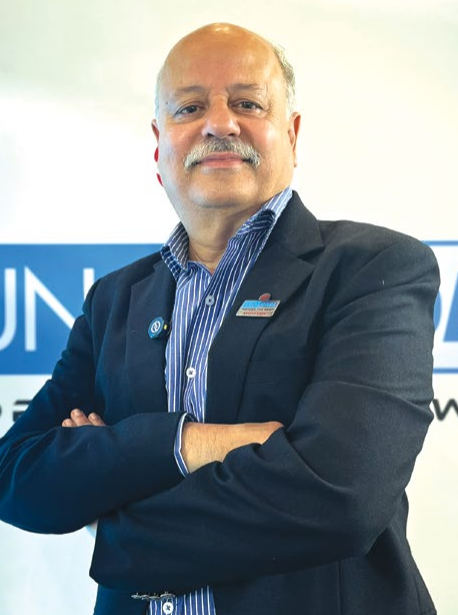
Mr. Rakesh Kher, CSO – Uno Minda Group & CEO – Aftermarket Domain, described this transformation as Aftermarket 2.0—a phase where digital capabilities, connected ecosystems, and greater customer participation form the core of the aftermarket experience. Speaking to this publication, Mr. Kher said, the company’s philosophy begins at the factory floor. For decades, Uno Minda has held to a simple promise: sell only what it manufactures. With nearly 30 in-house product categories, this approach gives the company full control over quality, safety and warranty performance—something that becomes essential as vehicles grow more complex and safety-critical components demand higher standards.
However, according to him, manufacturing alone is no longer enough. To understand a market as vast and diverse as India, the company listens closely to the customers. Nearly 200 sales engineers travel across 130 cities—Tier 1 hubs, industrial towns, and rural pockets—to capture the “voice of the customer.” Alongside this, the company taps into VAHAN data covering nearly 300 million vehicles to predict demand for maintenance parts, accident replacements, and emerging needs across two-wheelers, cars and commercial vehicles.
Uno Minda’s Aftermarket 2.0 vision is built on digitalisation and customer-centricity. With e-commerce reshaping buying habits, consumers increasingly pick branded products online after comparing features and reviews. To support this shift, the company creates DIY -do it yourself – – videos on YouTube and Telegram, helping users install basic components themselves—mirrors, bulbs, switches—without depending solely on mechanics.
Yet, one of the industry’s biggest battles is still fought offline: counterfeiting. Trust, in the automotive world, is never built on slogans or sales pitches. It is built on something far more fundamental — the belief that the parts inside your vehicle will protect you when it matters most, he observed.
Across India’s roads, that belief is tested every day, he noted, adding that over a lakh people lose their lives in road accidents every year, and behind many of those tragedies lies a quiet, dangerous truth: far too many vehicles run on spurious, low-quality parts. Helmets that crack on impact, brake pads that fade too soon, lights that fail in the rain, horns and switches that malfunction in emergencies — these are not just poor choices, they are life-risking compromises. When safety-critical components are bought purely for their low price, performance is the first thing sacrificed. And when performance fails on the road, the consequences are irreversible, he warned.
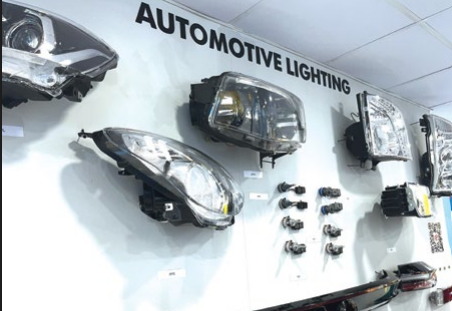
This is the gap Uno Minda is working to close — not just by selling better products, but by reshaping the ecosystem around safety. Its mission goes beyond manufacturing. It extends into garages, retail counters, WhatsApp groups, training sessions, and digital campaigns, all aimed at one outcome: helping customers understand that genuine, certified parts aren’t a luxury… they’re a lifeline. Because real trust is earned only when products are valued, respected, and proven safe — and when a brand takes the responsibility to create awareness, not just market share, he mentioned. Uno Minda has made authenticity a mission. Anti-counterfeit raids, regional-language communication with mechanics, influencer outreach, and WhatsApp messages to over one lakh retailers and nearly 70,000 mechanics aim to educate the market on identifying genuine parts. Consumers are repeatedly reminded of a simple truth: “We educate them that at low price you will not get a good quality product,” he explained.
A strong warranty system reinforces trust, he said, adding that the returned parts are studied in detail, feeding directly into engineering improvements—a feedback loop that has helped the company strengthen product durability and consumer confidence.
As India shifts toward new powertrains like EVs, hybrids and CNG, Uno Minda sees these changes not as disruptions but as opportunities. Aftermarket 2.0 will be driven by data, AI, IoT, and a focus on vehicle uptime. For Uno Minda, the path forward includes new product development aligned with these emerging technologies and deeper engagement with customers who want reliability and value alongside performance.
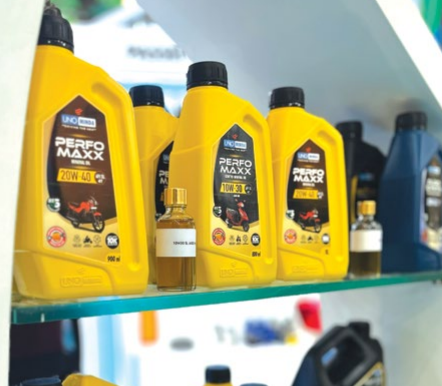
While the company enjoys a strong presence across most of India, the East remains a frontier where local brands dominate. Strengthening this region is now on the strategic road map, as the company prepares for the next wave of growth, he pointed out.
In every direction—technology, trust, or transparency—the company’s message is clear: the aftermarket of tomorrow will not look like the aftermarket of the past. And Uno Minda intends to be one of the companies shaping that transformation, he concluded.