Network Depth, Application Expertise and Service Excellence power its continued success
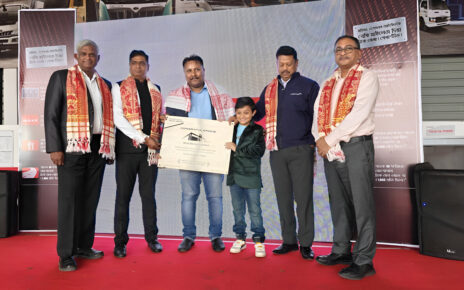
When Popular Mega Motors walked onto the stage at the Tata Motors Annual Dealer Conference in 2025 to receive recognition for “Spare Parts Process Excellence” and “CV Passenger Segment Market Share,” it marked more than just another industry award. It underlined a journey that began nearly three decades ago and has since matured into one of South India’s most comprehensive commercial vehicle dealership operations, spanning Kerala and key districts of Tamil Nadu.
For Popular Mega Motors (India) Pvt Ltd, 2025 was a year of consolidation and recovery. Volumes improved steadily as the year progressed, service operations deepened, and application-led selling moved from being a differentiator to becoming the core business philosophy. The company’s ability to marry network scale with execution discipline has positioned it as an anchor dealer within the Tata Motors commercial vehicle ecosystem.
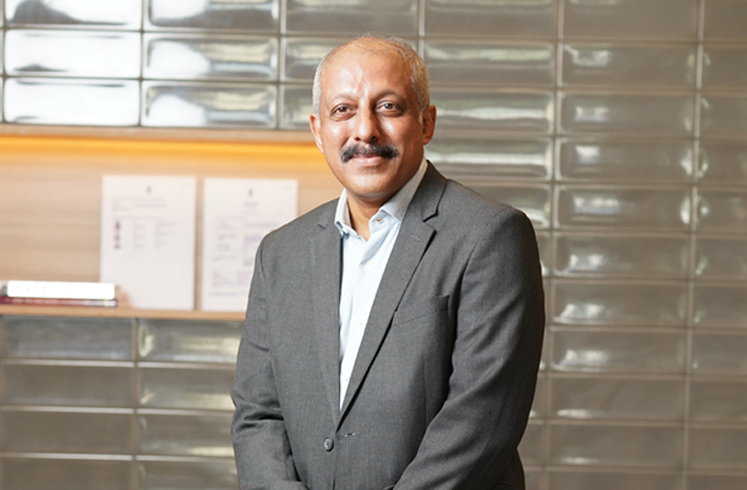
Reflecting on this phase, Mr. Naveen Philip, Director, Popular Mega Motors, says, “Recognition is important, but what truly matters is consistency. Awards come when processes, people, and customer outcomes align over time, not in one good year.”
From a Kerala Beginning to a Two-State Stronghold
Popular Mega Motors’ association with Tata Motors began in Kerala in 1997, at a time when commercial vehicle retailing was still largely transactional. The company expanded into Tamil Nadu in 2006, steadily building presence across Chennai, Chengalpattu, Thiruvallur, Krishnagiri, and Dharmapuri districts. What started as a conventional dealership operation gradually evolved into a state-wide commercial mobility partner.
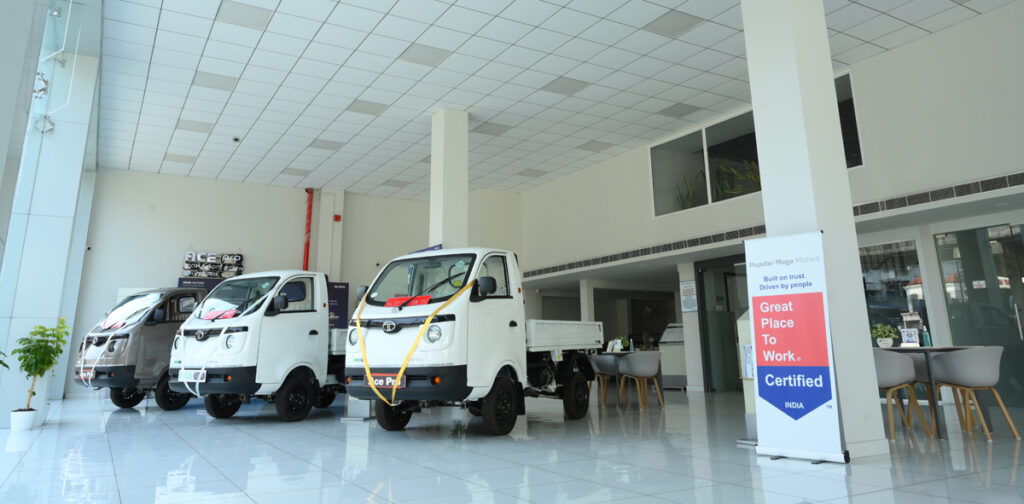
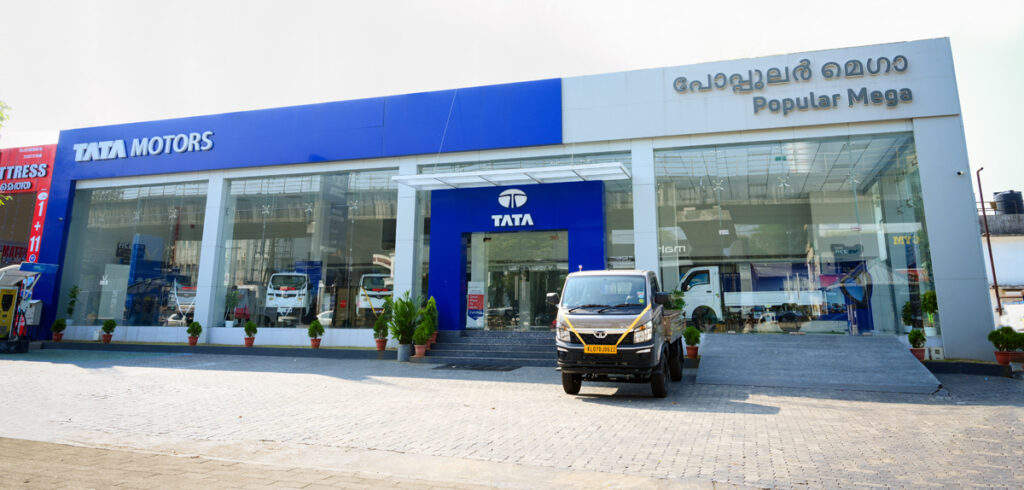
Over the years, the company invested continuously in physical infrastructure, manpower capability, and standardized processes. Today, Popular Mega Motors operates 16 showrooms, 24 1S facilities, and 30 service workshops across Kerala and Tamil Nadu. This scale ensures that customers are never far from sales or service support, irrespective of where their vehicles operate.
This state-wide presence has become the company’s strongest competitive advantage. Fleet operators, in particular, value the assurance of uniform service standards and “anywhere support” within the state. From single-vehicle entrepreneurs to large institutional fleets, Popular Mega Motors caters to a wide customer spectrum across urban, semi-urban, and infrastructure-driven corridors.
Mr. Philip explains the thinking behind this approach, “Our belief has always been simple. If a customer buys a vehicle from us, we must be equally present when that vehicle is earning on the road. Coverage is not about numbers on a map; it is about confidence for the customer.”
Volume Recovery and a Balanced Segment Mix in 2025
The year 2025 marked a return to stability after a period of market volatility. While the first half remained measured, momentum improved significantly in the second half, driven by infrastructure activity and urban logistics demand. Small Commercial Vehicles continued to act as the backbone of volumes, especially with the introduction of new-age products.
The launch of the Ace Pro and Ace EV played a critical role in strengthening SCV volumes. Growth in e-commerce, urban distribution, and last-mile delivery across Kerala’s major cities translated into steady demand. Owner-operators and small entrepreneurs increasingly leaned toward fuel-efficient and electric options to manage operating costs.
Medium and Heavy Commercial Vehicles gained traction in the third and fourth quarters of the year. Demand was closely linked to post-monsoon recovery in construction, mining, and infrastructure activity. Projects such as the NH66 expansion and early-stage works connected to Vizhinjam Port contributed to higher tipper and haulage requirements.
The bus segment emerged as a pleasant surprise in 2025. Acceptance of Tata Motors’ passenger products improved sharply, leading to a significant jump in volumes. ILCV buses found strong acceptance in the tourist segment and MCV buses gained traction in inter-city applications. Educational institutions and corporate customers supported stability in the passenger carrier segment, with Tata school buses and Winger vans becoming preferred choices for premium schools, IT parks, and tourist operators.
Summing up the year, Mr. Philip notes, “2025 gave us balance. Every segment contributed in its own way, and that diversity is what allowed us to meet our internal targets and plan more confidently for 2026.”
Application-Led Selling Becomes the Core Strategy
One of the most visible shifts in Popular Mega Motors’ business model has been the move toward application-led demand. Customers today are not merely buying vehicles; they are investing in earning solutions tailored to specific use cases. This change has placed greater responsibility on the dealer to understand operating economics in depth.
Strong traction was seen across construction tippers linked to large infrastructure projects, containerized and closed-body vehicles for logistics, and reefers serving agro, food processing, and seafood export corridors. Refrigerated transport, in particular, emerged as one of the fastest-growing sub-segments in 2025.
Last-mile SCV solutions also gained prominence, with platforms like the Ace EV and Intra finding applications in milk distribution, municipal services, waste management, and courier operations. A notable industry-wide shift has been the near-complete transition from chassis-only sales to fully built, application-specific vehicles.
Popular Mega Motors works closely with Tata Motors and certified bodybuilders to deliver the right specification at the first instance. This approach has reduced post-sale issues, improved vehicle uptime, and strengthened repeat and referral business. The dealership has also developed the capability to deliver ready-to-operate vehicles, significantly reducing the customer’s lead time from purchase to the first earning trip.
“When we understand how a vehicle earns for the customer, selling becomes a solution, not a transaction. That is where long-term relationships are built,” he asserts.
From Vehicle Seller to Uptime Partner
In 2025, Popular Mega Motors consciously repositioned itself from being a vehicle seller to becoming an uptime partner. This shift was driven by the realization that service quality and responsiveness directly influence customer profitability, especially for fleet operators.
Key initiatives included the strengthening of service infrastructure through a 24/7 customer helpline supported by mobile service vans. These teams are strategically deployed to ensure faster response times on critical highways and logistics corridors, minimizing downtime.
On the technology and manpower front, the company invested significantly in EV technician training and the adoption of Fleet Edge telematics. By leveraging real-time vehicle data, service teams now practice predictive maintenance, proactively engaging customers before failures occur. This has resulted in higher service retention and deeper customer trust.
He highlights the impact of this transition, “Service is no longer reactive. With data and trained people, we can anticipate issues. That changes the conversation with customers from problem-solving to performance management.”
A Cautiously Optimistic Roadmap for 2026
Looking ahead, the outlook for 2026 remains cautiously optimistic, supported by multiple large-scale infrastructure developments in Kerala. Projects such as the Palakkad–Kozhikode Greenfield Highway are expected to significantly boost construction logistics and tipper demand once execution gathers pace.
The Wayanad Tunnel Road project, with its twin-tube tunnel connecting Kozhikode and Wayanad, is set to unlock new logistics routes and reduce risk on ghat sections. This is likely to drive demand for medium-duty trucks and construction vehicles. Meanwhile, the Phase II expansion of Vizhinjam International Seaport, backed by substantial investment, is expected to create sustained requirements for tractors, trailers, and container movement.
For Popular Mega Motors, key priorities in 2026 include deepening application-led selling across all CV segments, further strengthening service reach and manpower capability, and enhancing customer retention across the full vehicle lifecycle. Closer collaboration with Tata Motors on new products, digital tools, and network efficiency will also remain central to the strategy.
On market dynamics, Mr. Philip concludes, “The next phase of growth will reward those who execute well every day. With our network, application expertise, and service depth, we are confident of growing alongside our customers and Tata Motors in a meaningful way.”