By T. Murrali

After-sales service has quietly become one of the toughest challenges for passenger car makers. As cars grow smarter and customers expect quicker, clearer, and more premium care, service departments are under pressure like never before. Today’s vehicles come loaded with electronics, software, ADAS, and electric powertrains—technology that demands specialised tools and highly trained technicians, both of which are in short supply.
Slow-moving spare parts, especially EV and electronic components, often delay repairs, while OEM workshops must compete with cheaper independent garages without compromising quality. On top of this, brands must manage warranty claims, retain customers after the warranty ends, and use connected-car data wisely, all while building new skills for the rising wave of electric vehicles, from battery diagnostics to high-voltage safety.

For luxury manufacturers, the challenge is even sharper: how to deliver a world-class experience, even in smaller and emerging markets with limited service volumes. Speaking to this publication, Shekhar Bhide, Vice President – Customer Services, Mercedes-Benz India, said the company is expanding its luxury footprint with a “service-first” approach. He noted that Mercedes-Benz has introduced a co-developed CRM solution with Zoho to streamline the entire customer service journey and has opened modern service facilities in new metro markets. “Our aim is to ensure a Mercedes-Benz outlet within a two-hour drive for every customer. The trust we build through service today will power our growth tomorrow,” he said.

Raising the Bar in Premium After-Sales
Mercedes-Benz India is sharpening its after-sales edge with a clear focus on speed, transparency, and premium customer care. Its Premier Express Prime programme ensures faster service turnaround, while its digital platforms offer real-time updates and smooth, transparent workflows—hallmarks of the luxury experience today’s customers expect.

To support the growing complexity of modern cars, especially ADAS- and connectivity-rich models, the company is investing heavily in upskilling. Mr. Bhide explained that the OEM runs continuous training programmes, regularly upgrading technicians with the latest diagnostic tools, software, and service techniques. The company has even added a dedicated EV module to its Advanced Diploma in Automotive Mechatronics course, ensuring future technicians are fully prepared for BEV technologies. Dealership trainers are constantly updated, and technicians can access on-the-go online learning to stay current.
As EV adoption grows, Mercedes-Benz is strengthening its high-voltage servicing capabilities. Workshops are being upgraded with advanced diagnostic equipment, and technicians are trained in handling high-voltage systems and battery diagnostics, supported by the brand’s global expertise. “We want every workshop to have at least one qualified high-voltage technician,” Bhide said, underscoring the company’s commitment to building a safe, future-ready EV service ecosystem.
Building Talent and Expanding Reach
Finding and retaining skilled technicians remains a challenge across the industry, and Mercedes-Benz India is tackling it with long-term, structured investments. The company partners with academic institutions to run programmes in automotive mechatronics, advanced diagnostics, and hybrid technologies, ensuring a steady pipeline of trained technicians for its dealerships. Mr. Bhide highlighted a major new initiative with the National Skill Development Corporation (NSDC) to train 1,000 young people over the next year. The 12-month programme, operating through new centres in Pune and Delhi-NCR, will focus on EV servicing, quality control, product testing, and Industry 4.0 skills—preparing talent for the next generation of mobility.
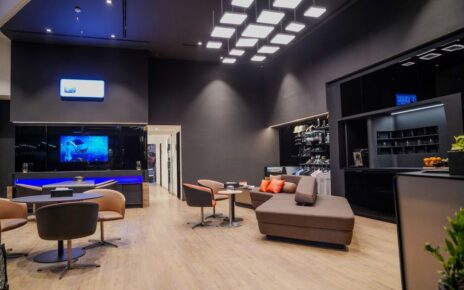
To strengthen its service presence beyond major cities, the carmaker is expanding with luxury boutique workshops and flexible service formats in Tier-2 and Tier-3 markets. The aim is simple: no customer should be more than a two-hour drive from a Mercedes-Benz service outlet. New world-class facilities in emerging metros are already delivering faster turnaround and better accessibility. Mr. Bhide said the company’s “service first” approach builds deep customer trust that will eventually convert into future sales and stronger brand loyalty.
Mastering Parts, Pricing, and Customer Trust
Another major challenge for premium carmakers is ensuring the steady availability of imported parts, which often leads to longer repair cycles and supply delays. Mercedes-Benz India tackles this by closely analysing parts consumption patterns and maintaining optimised stocks at both warehouses and dealerships. With advanced systems like the Wholesale Inventory Management System (WIMS), the company achieves over 92% service-level performance and keeps parts-related escalations as low as 0.01%.
Customer concerns around high spare-part and labour costs, which often push owners to unauthorised workshops after warranty, are managed through transparent, value-driven programmes like STAR Ease. These service packages offer predictable pricing and encourage customers to stay within the authorised network, where genuine parts and expert care ensure long-term reliability. Mr. Bhide said most Mercedes-Benz owners understand the value of authorised servicing and appreciate the differentiated experience.
To manage the growing complexity of spare-parts logistics, tools like SKYLine support centralised SKU management, real-time dealer inventory visibility, and accurate forecasting. WIMS further enhances this by linking seamlessly with global systems, he pointed out.
Dealers are also empowered with decentralised data systems integrated through Zoho SKYLine to provide timely, accurate market insights—strengthening planning and responsiveness. And in a world where a single post can influence public perception, Mercedes-Benz treats every customer comment as an opportunity. By tracking interactions digitally, responding quickly on social platforms, and giving frontline teams the authority to resolve issues, the brand often turns complaints into genuine customer appreciation, Mr. Bhide concluded.