Backed by deep investments in products, people, and infrastructure, the company is building a future-ready portfolio designed to compete with confidence on the global stage.
By T. Murrali
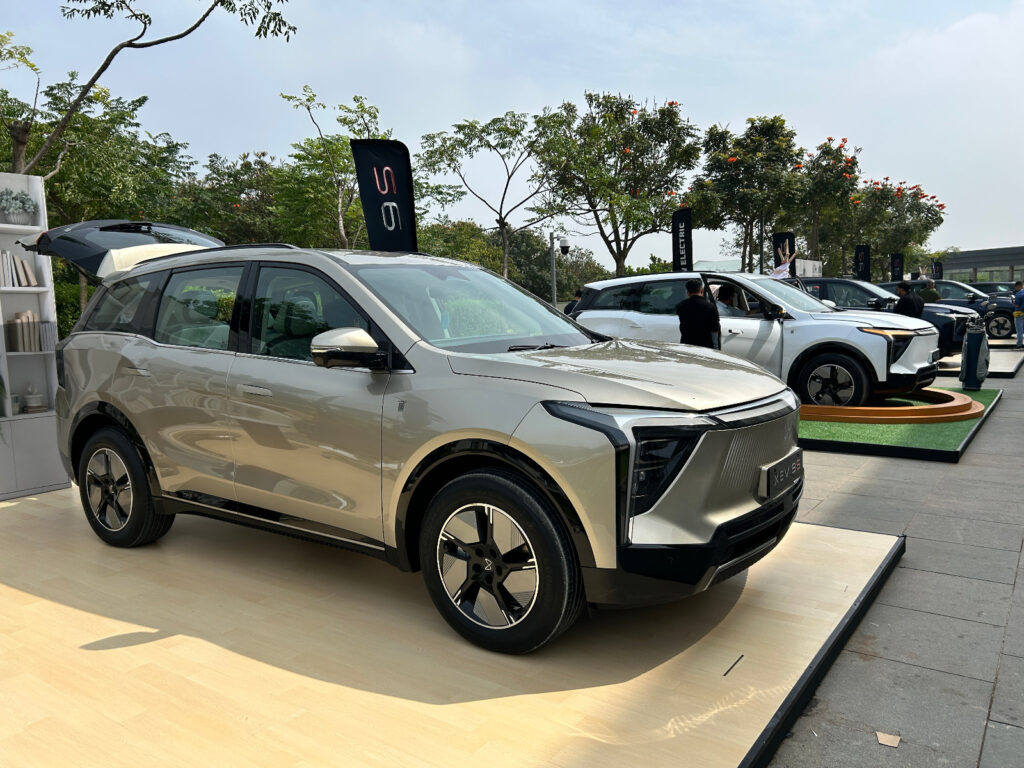
Mahindra is undergoing a major transformation, moving from its traditional mass-market identity to a brand that comfortably plays across both value-driven and premium spaces. This shift is powered largely by its EV strategy, where products like the XUV9s that was launched on 27 November in Bengaluru, showcase a new, aspirational design and technology direction, even as popular nameplates like Bolero continue to serve core rural and semi-urban customers.
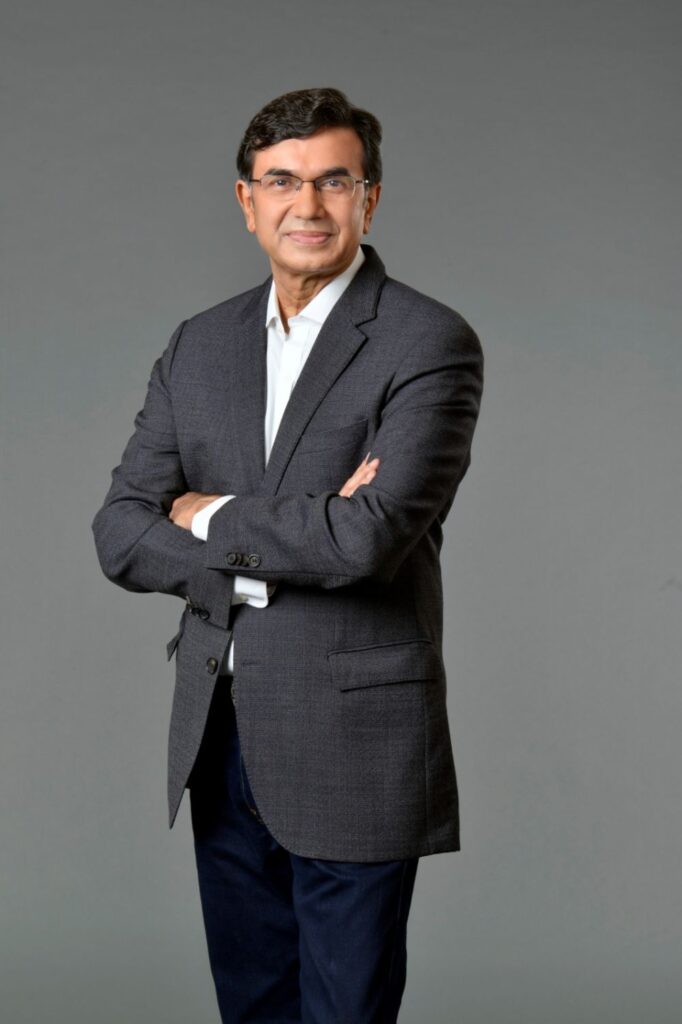
Speaking at the roundtable, Rajesh Jejurikar, Executive Director and CEO of Mahindra & Mahindra Ltd, said, at the heart of this evolution is the company’s belief in offering the right value proposition for every segment. Its EV journey has not only reshaped its product vision but also strengthened its internal capabilities — growing the EV team from 1,000 to over 6,000 people in just three years, largely through internal training. This rapid scale-up reflects both the company’s commitment and the depth of Indian engineering talent now driving its future-ready platforms, he said.
Even as the EV market grapples with concerns like range anxiety, Mahindra points to real-world customer behaviour that tells a different story. Nearly one-third of its 30,000 EV users have completed 400 km in a day, with its models often delivering more than 500 km of practical range. The XUV9s retains this range even as a seven-seater — a configuration the OEM believes fits the Indian preference for flexibility and “just-in-case” seating.
Speaking on the charging infrastructure, Mr. Nalinikanth Gollagunta, Chief Executive Officer – Automotive Division, Mahindra & Mahindra Ltd. and Executive Director, Mahindra Electric Automobile Ltd., said, the company has already set up two 180 kW fast-charging stations, enabling an average 18-minute top-up. By 2027, it plans to deploy 1,000 chargers across 65 busy highways, complete with food and rest facilities. These stations will be open to all EVs, with real-time status integrated into Mahindra’s app to address the visibility gaps that frustrate many urban users.
Mahindra’s product development approach is increasingly insight-driven. After the success of the Batman special edition — born from social-media listening and executed in just three months — the company is doubling down on linking consumer sentiment with rapid product innovation, Mr. Jejurikar said. He also stressed that EV obsolescence is often overstated: while software evolves quickly, core hardware like batteries and motors change slowly, making OTA updates and strong processing power far more critical.
On the operational side, Mahindra is preparing for the full life cycle of EV ownership. It is actively building battery recycling processes, supported by its experience in three-wheelers, and continues to offer India’s first lifetime battery warranty.
With EVs already contributing 8.7% of its SUV sales (in Q2FY26) — higher than the industry average of 5.5% — Mahindra expects this to rise to 20–25% by calendar year 2027 or 2028. Its manufacturing capacity for EV SUVs is set to increase to 8,000 units a month by March 2026. Meanwhile, ICE vehicles will remain a critical pillar, with both powertrains coexisting based on customer preference and regulatory movement, he said.
Mahindra is also safeguarding its supply chain with proprietary de-risking strategies for cells and rare-earth materials, ensuring stable production despite global uncertainties. Its pricing philosophy remains transparent — increases will be driven only by genuine input-cost escalations, not margin expansion, especially as the company acknowledges the government’s GST support for EVs.
To support growth, Mr. Gollagunta said Mahindra is expanding its sales and service network by 15–20% annually. While integrated showrooms for ICE and EVs remain the preferred approach to keep customers within the brand, EV-only outlets may be piloted in selected markets. In essence, Mahindra is not just preparing for the EV future — it is building it. With strong investments in products, people, infrastructure, and processes, the company is shaping a portfolio that aims to compete confidently on the global stage, driven by innovation, agility, and a deep understanding of the Indian customer, Mr. Jejurikar added.