The carmaker sets a higher benchmark with predictive technology powering a seamless, sophisticated service network.
As competition intensifies in the passenger car market, with new models and variants arriving every few months, after-sales service has quietly emerged as one of the strongest differentiators for winning and keeping customers. To earn loyalty, OEM-authorised workshops must deliver consistently high service quality while competing against low-cost neighbourhood garages—an increasingly tough balancing act. In this landscape, after-sales has transformed from a support function into a high-pressure, strategic battleground for every carmaker.
Dealers, too, are expected to become sharper and more data-driven, and OEMs play a key role in enabling this shift. JSW MG Motor India is tackling this through a structured, analytics-first approach across its network.
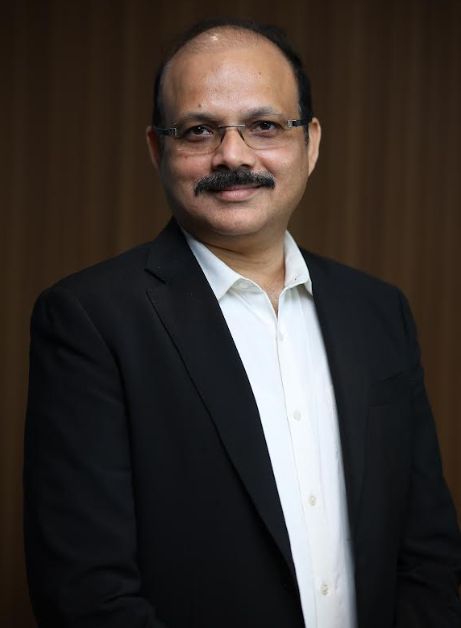
Speaking to this publication, Mr. Prashant Singh, Director – Aftersales, JSW MG Motor India, said the company relies on a modern real-time DMS – dealer management system and a ‘Customer 360’ system to automate data capture and create high-frequency information flow between dealers and the OEM. Dealers now get live insights on vehicle health, parts demand, and service intervals, helping them plan better and deliver quicker. According to him, predictive analytics is the next big step—allowing proactive service reminders, smarter workshop scheduling, and accurate parts forecasting. Unified dashboards bring together sales, service, and inventory data, cutting manual errors and boosting transparency. By integrating dealer apps and local CRM tools, the company helps partners make faster, data-backed decisions that reduce waste, optimise stock, and improve turnaround times—building a retail network that is agile, digital, and ready for the future, he explained.
One Network, One Experience
Ensuring consistent service quality across a dealer network that stretches from big metros to smaller towns is no small task, but JSW MG Motor India handles it through strong standardisation, digital tools, and continuous training. Every dealership follows the same SOPs built into the DMS, so customers receive a uniform experience anywhere in the country. A central CRM system gives teams a single view of each customer, while the MY MG App, digital reminders, and WhatsApp video updates make the entire process transparent. Performance is tracked through NPS (Net Promoter Score), CSAT (Customer Satisfaction Score), and CPTV (Complaint per thousand vehicles), supported by regular audits. Under the brand’s ‘Empower to Delight’ philosophy, front-line staff are encouraged to solve issues quickly, ensuring a smooth and consistent experience for all customers.
Quality Service at an Affordable Cost
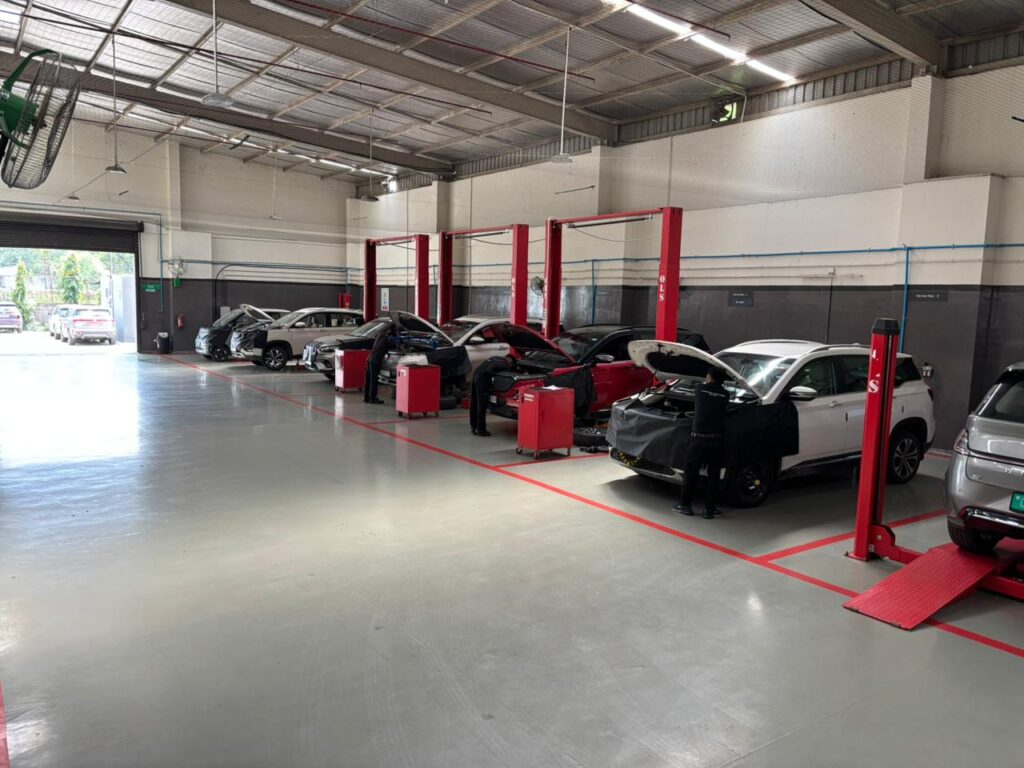
The carmaker also focuses on keeping service affordable without compromising quality—a key expectation for value-conscious Indian customers. The company follows a nationwide ‘One MG One Price’ policy and benchmarks costs across the industry to stay competitive. Well-trained technicians ensure first-time-right repairs, reducing rework and cost overruns. Transparent, itemised estimates help build trust, while prepaid maintenance plans, MG Shield, extended warranties, and roadside assistance offer predictable ownership costs. For EV owners, initiatives like Battery-as-a-Service and lifetime battery warranties further reduce long-term expenses. By using digital diagnostics and CRM-led automation, workshops improve efficiency and cut turnaround times, ensuring every customer receives reliable, high-quality service at a fair price, Mr. Singh noted.
Building Transparency, Customer Trust
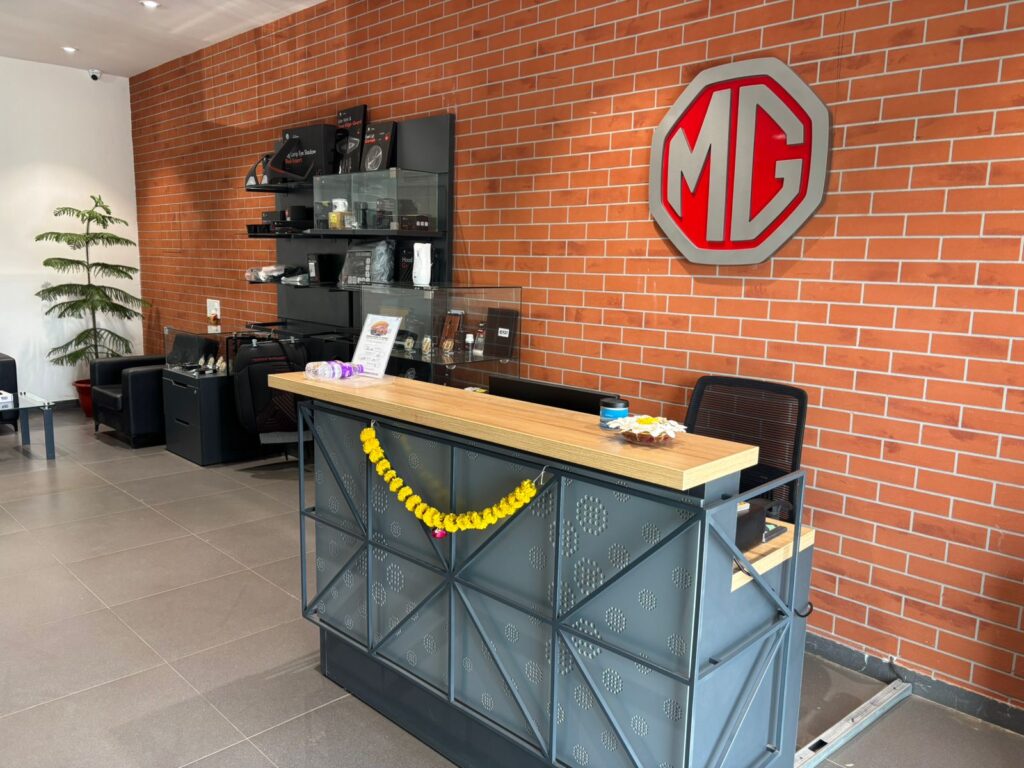
For JSW MG Motor India, transparency is the foundation of strong after-sales relationships—even in smaller workshops with limited digital infrastructure. The company focuses on simple, clear communication, clean workshop environments, and visible quality checks to reassure customers. Service advisors explain repairs in plain language, share updates through SMS or WhatsApp, and provide itemised estimates along with ‘show-and-tell’ inspections so customers fully understand the work being done. The MY MG App adds another layer of trust by offering real-time cost estimates, service tracking, and complete digital service history. “Our ‘under-promise and over-deliver’ approach ensures consistent customer delight, while warranties on parts and labour build confidence. We actively seek customer feedback and encourage reviews to strengthen local reputation. By combining digital tools with a human touch, we are building enduring trust across all workshop formats,” he said.
Closing the Digital Gap
Transitioning from legacy systems to advanced CRM and predictive tools can be daunting; so JSW MG Motor India supports dealerships through a structured and practical digital transformation model. Its cloud-based DMS integrates sales, service, and inventory into one real-time platform, enabling predictive maintenance and smarter planning. The rollout begins with high-impact areas like service scheduling and fast-moving parts to ensure an easy, low-disruption shift. Dealers receive extensive onboarding support, e-learning modules, and dedicated assistance to build confidence. By showing clear improvements in KPIs such as lead conversion, efficiency, and turnaround time, the OEM motivates dealers to embrace digital tools fully. This phased “approach bridges the digital divide while ensuring scalability and data accuracy across the network,” he noted.
Preparing Technicians for the Future
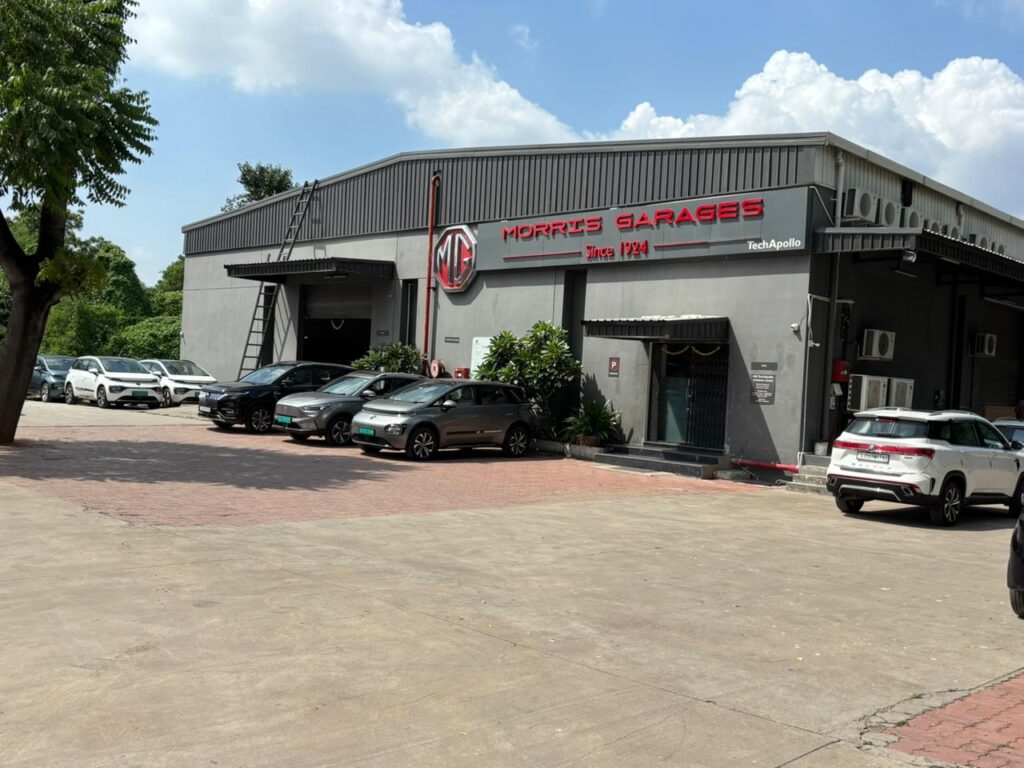
As vehicle technology advances rapidly, the company is tackling the shortage of skilled technicians through a strong, multi-layered training ecosystem. Its MG-Specific Advanced Training centres across four regions offer hands-on learning in EVs, hybrids, ADAS, and high-voltage systems—making the OEM first in the industry to enable battery repair training at select outlets. Continuous learning happens through classroom sessions, online modules, and its own learning platform, ensuring technicians stay updated at all times.
The company also partners with institutions like Skill Lync, ASDC, and NSDC to align curricula with real industry needs. Through the ‘MG Nurture’ mentorship initiative, more than 1,000 students have taken up these specialised courses. With structured growth opportunities and competitive pay, the company is building a future-ready workforce equipped to handle the new era of mobility, he said.
Strengthening Loyalty beyond Warranty
JSW MG Motor India focuses on long-term relationships, ensuring customers stay connected even after the warranty period. With retention already above 90%, the brand supports worry-free ownership through competitive pricing, prepaid maintenance plans, extended warranties, and reliable roadside assistance. Convenience-driven services—pick-up and drop, express bays, and flexible scheduling—keep customers coming back.
The company is also developing loyalty programmes that reward repeat service and referrals, while dealerships host community events and owner clinics to build stronger local bonds. By combining emotional connection with practical value, it ensures customers remain part of the MG family well beyond their first purchase.
Smarter Parts Planning for Faster Service
Mr. Singh said that the company has strengthened spare parts management through a mix of digital tools, smarter planning, and tighter supply-chain control. With real-time integration between DMS and SAP, the company now has full visibility across its network, allowing teams to track parts movement proactively. By applying ABC (Always Better Control) and VED (Vital, Essential, Desirable) analysis, it ensures that high-value and fast-moving components are always available, while localisation and stronger supplier partnerships help reduce delays linked to imports.
Strategic distribution centres and reliable logistics partners support quicker deliveries, backed by strict service-level agreements. The brand is also moving toward ML-based demand forecasting for better stocking accuracy and exploring 3D printing to support slow-moving or niche components—steps that reduce downtime and improve customer satisfaction.
Mastering SKU Complexity with Data, Discipline
To handle thousands of SKUs across its network, the vehicle manufacturer follows a unified digital approach that synchronises real-time inventory data from every dealership. Each spare part carries a unique label, enabling full traceability and automated FIFO – ‘first-in first-out’ management, which, according to Mr. Singh, is an industry-first practice that cuts errors and ensures stock freshness. Standardised SOPs guide ordering and stock processes, while safety stock levels safeguard against supply disruptions. ABC and VED classification help focus on the most essential components. As Machine Learning is introduced into demand forecasting, dealers will gain more accurate predictions based on sales trends and seasonal patterns. By blending disciplined processes with predictive technology, it is creating a more consistent, efficient, and future-ready parts ecosystem across its entire network.
Turning Complaints into Confidence
Mr. Singh stated that the carmaker does not see a customer complaint as a setback but as a chance to build trust. Every issue is acknowledged quickly, communicated with empathy, and resolved transparently—often in public view on social platforms to show accountability.
Escalations are addressed within 24 hours, and frontline teams are empowered to take on-the-spot decisions that delight customers. Once resolved, the “team follows up to ensure the customer feels heard and valued. Every complaint is analysed for root causes, driving systemic improvements across processes and training. Customers who experience effective resolution often become our strongest advocates, turning potential criticism into public appreciation of our service commitment,” Mr. Singh concluded.