Daimler India Commercial Vehicles (DICV) has unveiled a significant upgrade for its intercity bus range at PRAWAAS 2026 — an Automatic Manual Transmission (AMT) system bundled with a comprehensive safety package that addresses two of the fleet industry’s most persistent challenges such as driver fatigue and vehicle safety.
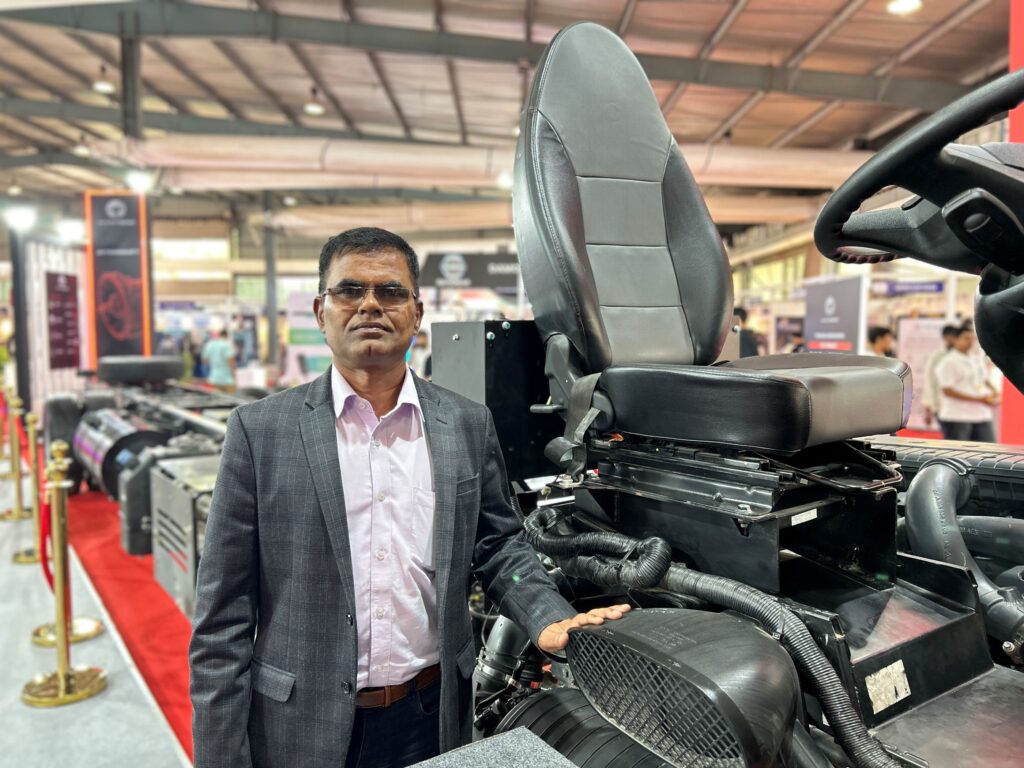
Speaking to this publication, Mr. Andamuthu Ponnusamy, Head – Bus Business & Fully Build Solutions, DICV, said, the AMT technology, built on proven German engineering, eliminates the need for frequent clutch and gear changes that drivers on long intercity routes — often covering more than 500 km in a single shift through increasingly congested roads — have to deal with constantly. The result is a meaningfully less tiring experience behind the wheel, at a time when driver turnover has become one of the biggest operational headaches for fleet operators across India. “Contrary to conventional thinking, the system actually improves fuel efficiency. Under test conditions, the AMT has delivered 3% better fuel efficiency compared to conventional gear systems,” a figure that has already been validated and will continue to be monitored in real-world operation.
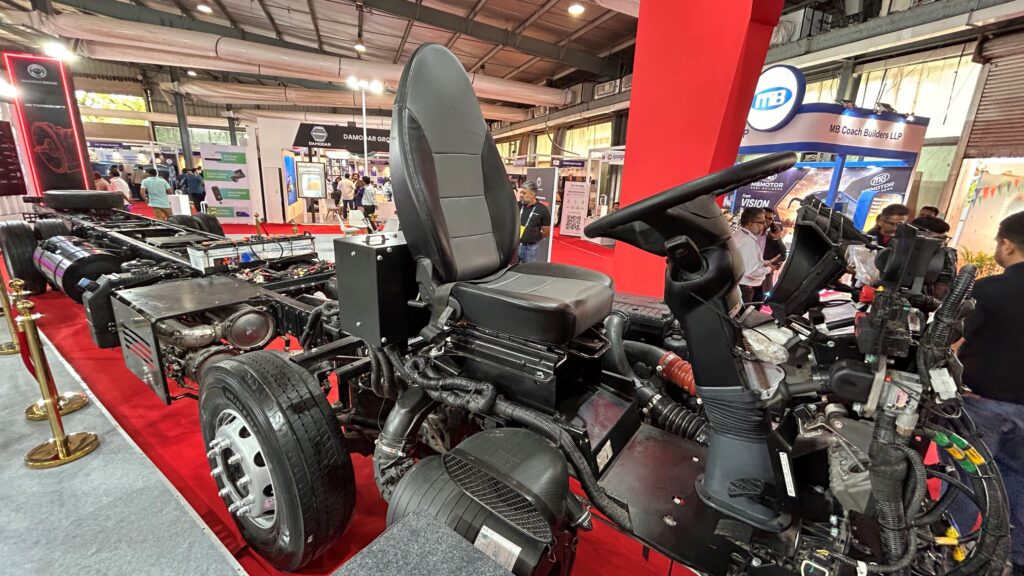
According to him, the transmission upgrade is part of a broader safety package that DICV is bringing to market together. The most notable addition is a tyre pressure monitoring system that also tracks wheel and brake drum temperatures — displayed directly on the driver’s dashboard. This is a first for the bus segment in India, and its timing is significant. Thermal incidents involving tyres and wheels, often caused by repeated braking or prolonged downhill driving, have been a growing concern in intercity bus operations. By giving drivers a real-time read on both tyre pressure and wheel temperature, the system provides an early warning that allows the bus to be stopped and cooled before a situation escalates. The package is completed by an electromagnetic retarder, which reduces brake load during downhill stretches and further minimises the thermal stress on wheels, he said.
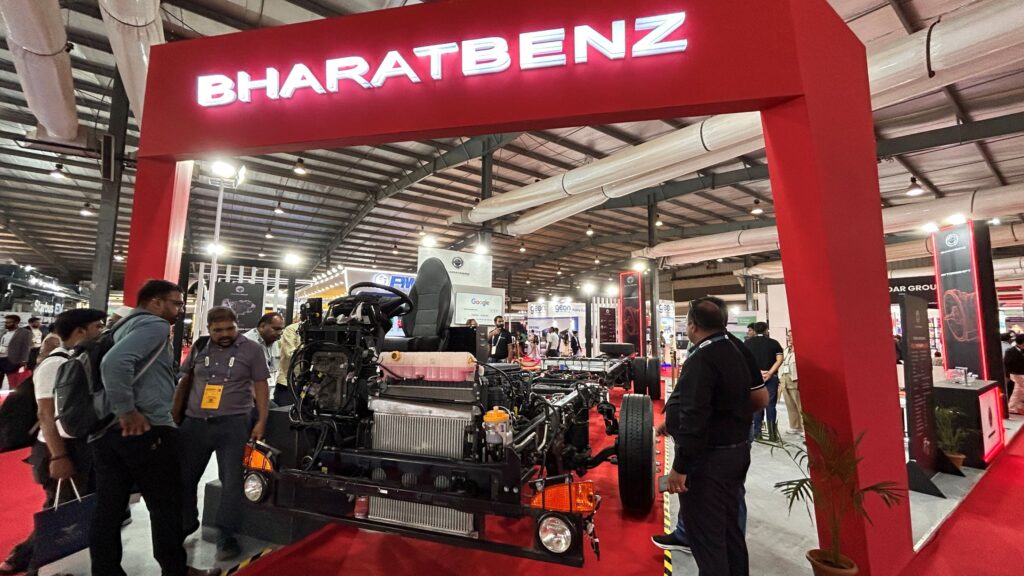
The total cost of the package is in the range of ₹4 to ₹5 lakh, and as per his estimates, operators can recover that investment within a year through fuel savings alone — making the business case as straightforward as the safety case.
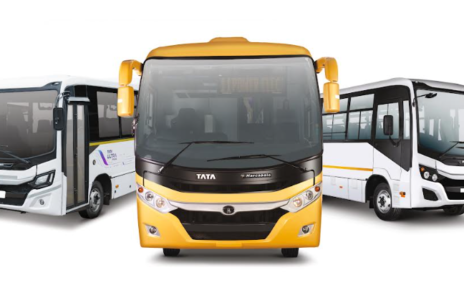
Alongside the AMT launch, DICV also announced the introduction of an 8-metre school bus — a product developed in direct response to growing demand from schools and parents. As schools increasingly receive requests to pick children up from within residential lanes and narrow streets, the standard 10-metre school bus has become difficult to manoeuvre. The 8-metre variant addresses that problem, giving school authorities a practical tool to extend their bus service into areas that were previously inaccessible, and in doing so, making it easier to convince more parents to opt for school bus transport.
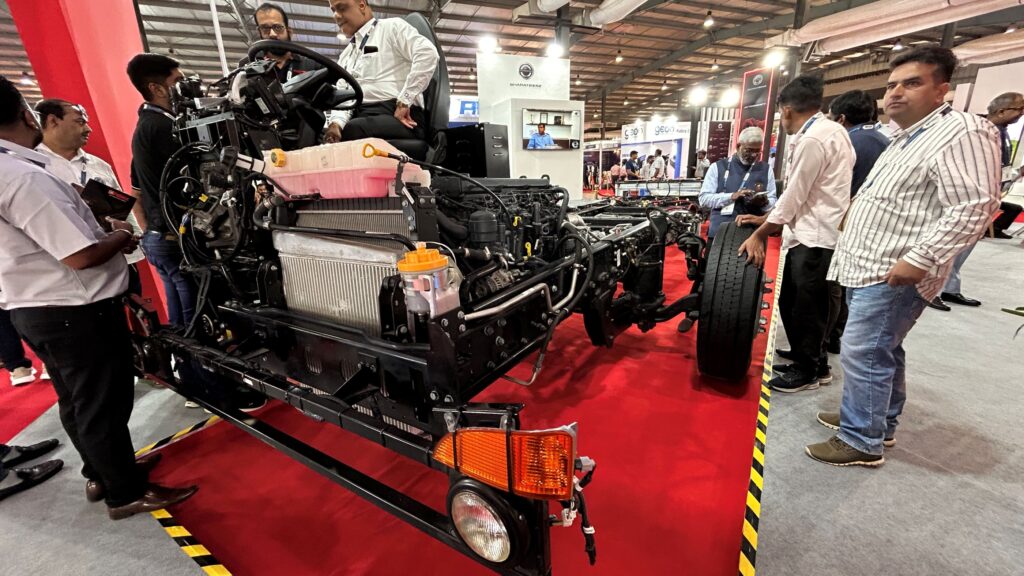
On the coach-building front, DICV has also been working more closely with coach builders to ensure consistent safety standards across the full vehicle — chassis and body together. A dedicated team now works alongside bodybuilders during the construction process, and the recent AIS 153 regulation has helped bring greater discipline and standardisation to the coach-building industry, reducing the risk of unauthorised or substandard construction.
For DICV, PRAWAAS 2026 has been an opportunity to put its most advanced bus technologies in front of fleet operators from across the country — and the response, by his own account, has been exactly what it hoped for.