Its domestic car business had its biggest quarter ever and JLR is recovering from last year’s cyber attack, but rising costs, restructuring charges and a cut in JLR’s guidance put the group in the red
By most measures, Tata Motors Passenger Vehicles Ltd. (TMPVL) had a strong July–September quarter. Consolidated revenue rose 34 % from a year earlier to ₹96,920 crore. The domestic passenger vehicle business recorded its highest-ever quarterly revenue. Jaguar Land Rover (JLR) showed three new luxury electric vehicles to wide media praise. Yet the company reported a net loss of about ₹5,500 crore for the quarter, and JLR has lowered its full-year outlook. The results, for the second quarter of FY27, show a company growing quickly while still struggling to turn that growth into profit.
A recovery helped by a weak base
Much of the year-on-year improvement comes from how bad last year was. In the same quarter of 2025, a cyber incident had badly disrupted JLR. Against that weak base, the consolidated EBITDA margin rose 630 basis points to 6.2 %, and the EBIT margin rose 790 basis points to 1.1 %. The company says the improvement “mainly reflects” JLR’s recovery from that incident.
The quarter-on-quarter numbers are less encouraging. The company said margins were hurt by an adverse product mix and continuing commodity cost pressures. Profit before tax and exceptional items was just ₹403 crore on almost ₹97,000 crore of revenue.
The bottom line also took a large one-time hit. Exceptional items of ₹6,700 crore, mostly ₹3,800 crore for employee separation costs and ₹2,900 crore for asset impairments, pushed profit before tax to a loss of ₹6,300 crore. After a deferred tax credit, the net loss was ₹5,500 crore. Consolidated free cash flow was negative ₹6,300 crore, and net debt stood at ₹50,800 crore at the end of September.
JLR: new launches, but lower guidance
JLR’s revenue grew 20.3 % to £5.9 billion, and its EBIT margin improved 970 basis points to 1.1 %. Its profit before tax and exceptional items, however, was only £6 million. That is a big improvement on last year’s £485 million loss, but small for a business of JLR’s size.
The more telling figure is the guidance cut. Citing market challenges, geopolitical risks and the quarter’s exceptional costs, JLR now expects a full-year adjusted EBIT margin of 2–3 % and a free cash outflow of about £1.25 billion. The quarter alone used £540 million in cash. JLR booked £530 million of exceptional charges for restructuring, separation costs and asset write-downs.
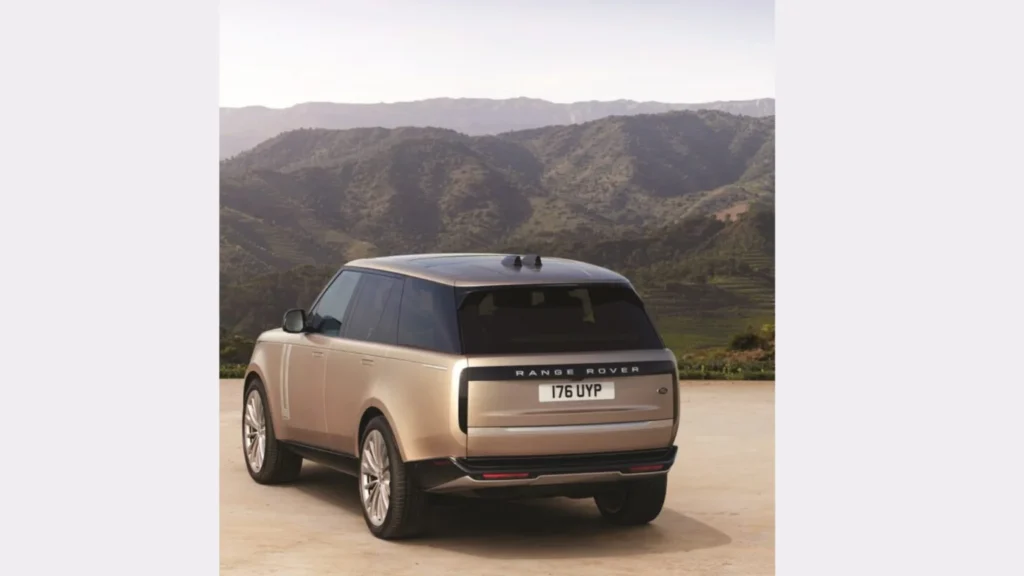
JLR’s main hope is its new products. It launched the Range Rover Electric, the Range Rover Sport Electric and the Jaguar Type 01, all built in Solihull, with deliveries due to begin in early 2027. A Range Rover GT and a new electric Defender model are planned for next year. These come from a planned investment of £15–18 billion, of which £11.5 billion has already been spent since 2024. Its “Enterprise Missions” cost programme aims to save £1.7 billion over two years and lower breakeven volumes towards 300,000 units.
“With the proposed arrival of Range Rover GT and a new electric Defender product in the new year, we are entering a phase of exciting product launches,” said Mr. PB Balaji, Chief Executive Officer of JLR. Until those vehicles reach customers, though, JLR has to manage on liquidity. It had £6 billion available, including undrawn credit lines and a new £1 billion term loan signed on 29 September.
Tata PV: strong growth, thinner profits
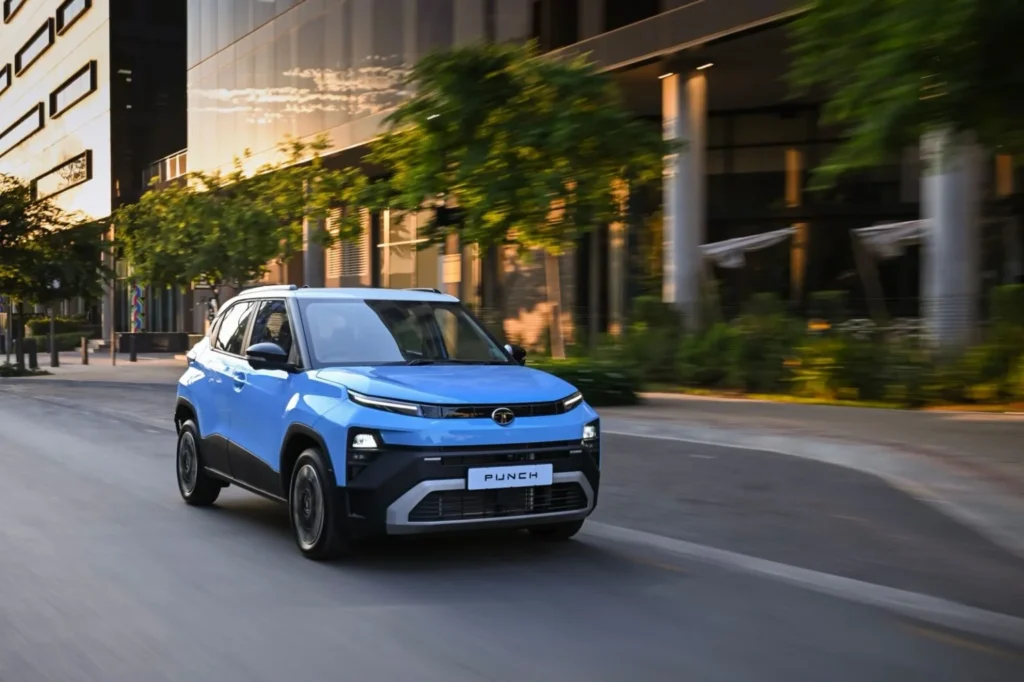
The domestic business volumes rose 40 %, well ahead of the industry, to more than 2 lakh units. Revenue grew 51 % to ₹20,423 crore. EV volumes nearly doubled, up 90 %. Alternative powertrains now make up more than half of sales, with EVs at 23 % and CNG at 28 %. Tata held a 14.3 % Vahan registration share, keeping the No. 2 position, and a 43 % share of the EV market despite new competitors.
Margins moved the other way. The EBITDA margin fell 180 basis points to 4.0 %, the EBIT margin turned negative at –0.3 %, and profit before tax and exceptional items was just ₹25 crore, compared with ₹156 crore a year earlier. The company blamed commodity costs and currency movements.
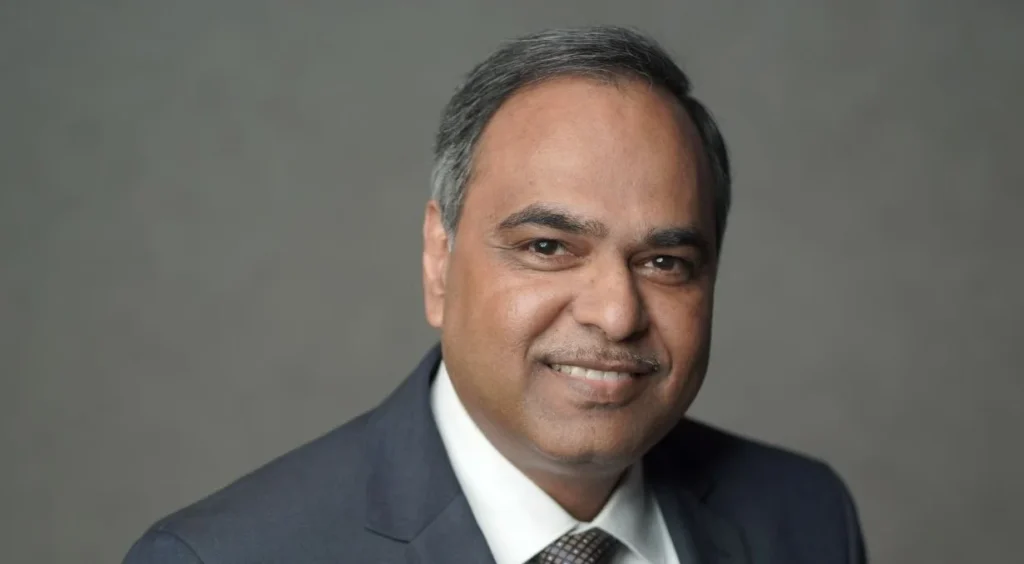
Because revenue grew faster than volumes, average revenue per vehicle appears to have risen. Even so, that did not offset higher input costs. “While steep commodity cost pressures remained a headwind, we responded through calibrated pricing and focused cost actions,” said Mr. Shailesh Chandra, Managing Director and CEO of TMPVL.
The domestic business’s balance sheet remains strong. It generated ₹825 crore of free cash in the quarter and ₹1,945 crore in the first half. It ended September with net cash of ₹7,900 crore. It also signed an agreement to give Stellantis access to its vehicle technology and architecture, which could earn it money from its engineering work as well as its own car sales.
What to watch
Mr. Dhiman Gupta, Chief Financial Officer, said both businesses “remain fundamentally strong,” but acknowledged that “adverse mix and persistent commodity pressures weighed on margins.” The company named geopolitical volatility, luxury demand, the pace of EV adoption and commodity costs as the key risks.
The coming quarters will test two things. First, whether JLR’s new electric models can bring back profit and cash flow in a tough luxury market. Second, whether the domestic business, which entered Q3 with record October volumes of 75,400 units, can make its fast growth profitable. For now, Tata Motors is selling more cars than ever but earning very little on them.