ContiTech is doubling down on Asia Pacific and it plans to build more of its products in the region, and to lean on highly engineered parts as cars change.
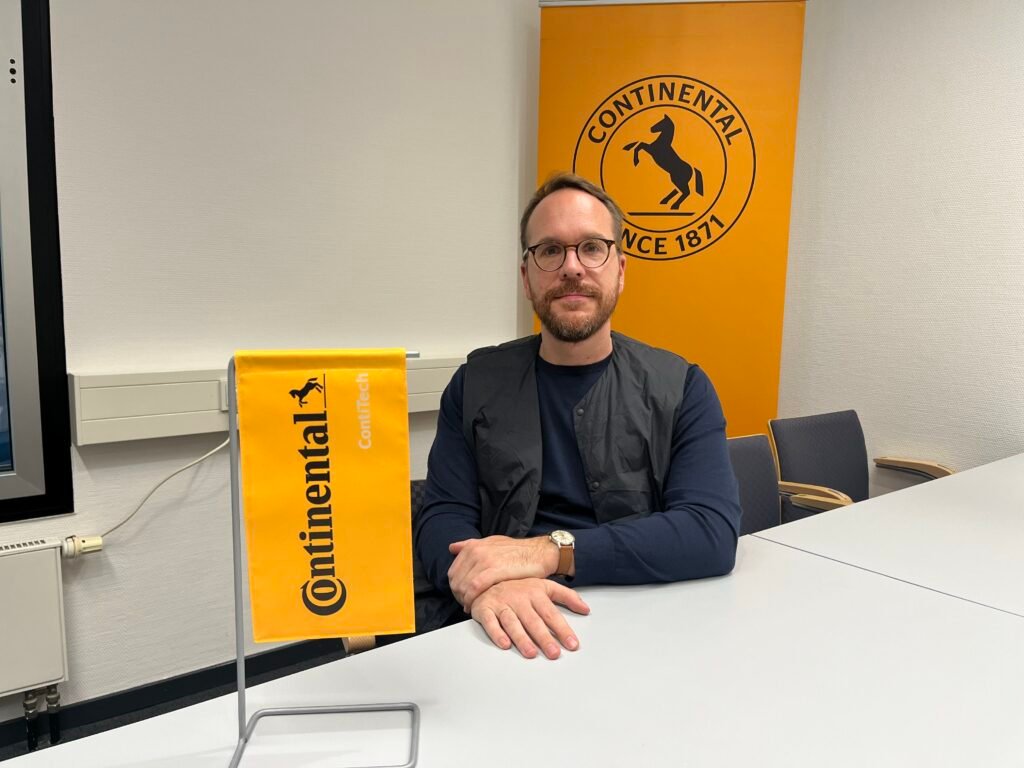
Mr. Vincent Sambo, Head of Segment Distribution, APAC, ContiTech Singapore Pte Ltd, told this publication that the reason is not the economy; it is strategic focus. ContiTech can serve many industries, so it must pick where to play with full force. The automotive aftermarket is a firm part of that choice.
Technology Plus a Local Touch
Two things set ContiTech apart, he said. The first is technology. New products are shaped by OE demand and later reach the aftermarket. The second is its global footprint. Local teams work in each market, including India. Quality also comes first, with no compromise. The company picks the right market and application, and then builds the best product for it. It also works with loyal distribution partners over the long term, not for short-term gains, he pointed out.
Every Market Is Different
Asia Pacific is fast becoming an independent aftermarket region, and Mr. Sambo called infrastructure growth there a real megatrend. He said what works in India is very different from what works in South Korea. So, the company is organised in three regions: the Americas, EMEA, and Asia Pacific. Inside Asia Pacific, it has separate teams for India, China, South Korea, and Japan. India and China will dominate the region’s growth, he observed.
Making the Most of the Region
ContiTech has a large manufacturing base across India, China, South Korea, and Australia. Mr. Sambo called it a strategic must to use this base. He wants it to serve other regions too, not only Asia Pacific.
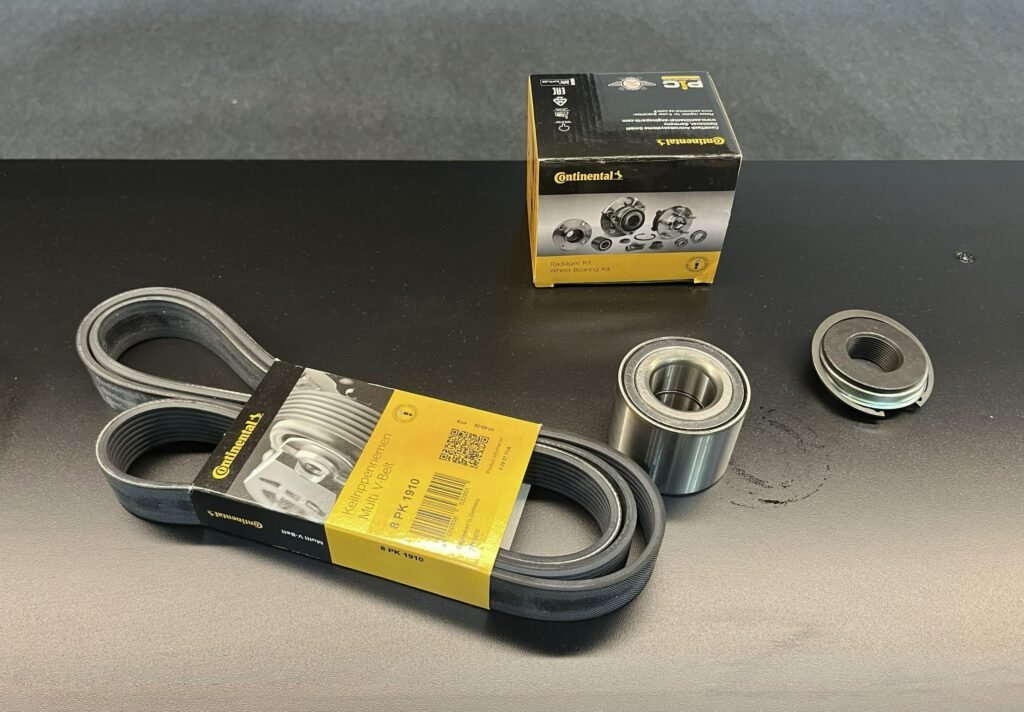
ContiTech’s roots lie in German car brands. That is where its portfolio has grown. Now it sees demand for Korean and Japanese cars as well, including in India. The company works with its distribution partners to decide what comes next. It could be timing chain kits, timing belt kits, or air springs for commercial vehicles. In the next three to five years, the range will stay in this area. Over time, it will add parts linked to newer technology, like liquid cooling for battery packs and suspension parts built for higher forces.
Localisation to Beat Disruptions
Global disruptions, higher raw material costs, and shipping trouble are hurting the industry. The Middle East crisis is one example. Therefore, ContiTech’s answer is localisation. Some products sold in India are still imported from Germany and these were designed with Europe in mind. The company is now investing to build more in Asia Pacific. This gives it local sourcing, closer market understanding, and a more suitable range. Mr. Sambo said the region could also supply products to the rest of the world.
Digital Tools and Reuse
Digital tools start on the factory floor as rubber compounding depends on many factors, such as humidity. ContiTech tracks raw materials and adjusts machines in real time. It also uses market data, customer feedback, and pricing trends. It applies these tools to sales and marketing as well.
On remanufacturing, he said, the company is at an early stage. It focuses on reusing raw materials in the production process. It does not remanufacture finished parts today, but may welcome that in the future.
Life in the EV and Software Era
EVs need fewer repairs, but Mr. Sambo said each EV carries more value. Its parts face heavier loads and higher forces, so they need more engineering. Those parts will reach the aftermarket too. The market will change, but it will stay relevant for many years.
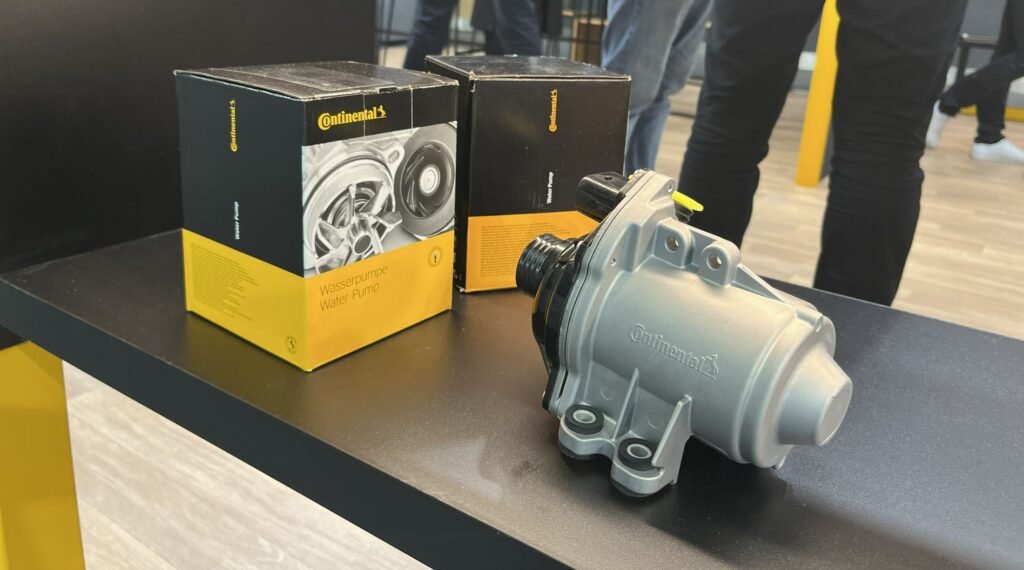
As software becomes the key value driver, OEMs will focus less on mechanical parts. This creates room for partners like ContiTech to step in as a true systems and solutions provider. Demand is also rising for parts like hoses that carry more fluid for battery cooling. Mr. Sambo said he does not see any new repricing of the service basket.
Ownership Change and Growth
ContiTech is moving to new ownership, with Lone Star coming in as Continental AG agreed to sell its industrial division (ContiTech), to the private equity firm. The company is between signing and completion of the deal, so Mr. Sambo held back from firm statements. He said ContiTech has always grown through acquisitions and mergers, and he expects this to stay part of its strategy.
India: A Vivid Market
In India, ContiTech has teams and partners in Kolkata, Mumbai, Delhi, Chennai, and Bangalore. They cover the north, east, south, west, and central regions. For now, the focus is on the German car park, with timing belt kits, timing chain kits, and commercial vehicle air springs. The company is in constant talks with partners about new products. The market is healthy, the outlook is favourable, and ContiTech plans to engage even more, he signed off.