An analysis of the end-use sectors driving growth across Tata Motors’ commercial vehicle businesses in H1 FY27
Tata Motors’ commercial vehicle sales grew 35.1% year-on-year to 2,43,602 units in H1 FY27, reflecting broad-based demand across its domestic and international businesses. While heavy trucks benefited from infrastructure spending and activity in core industries, intermediate and light commercial vehicles gained from expanding distribution networks. Small commercial vehicles and pickups capitalised on growing last-mile logistics requirements, while passenger carriers benefited from institutional orders and demand across multiple mobility applications.
| Category | H1 FY26 units | H1 FY27 units | YoY growth | Total Industry Volume Growth H1 FY27 | H1 FY27 Market Share (Vahan) | FY26 Market Share (Vahan) |
| HCV | 45,791 | 60,247 | 31.60% | 28.60% | 55.7% | 55.2% |
| ILMCV | 31,342 | 37,920 | 21.00% | 25.02% | 36.3% | 38.0% |
| Passenger Carriers | 26,517 | 33,995 | 28.20% | 15.13% | 41.1% | 36.1% |
| SCV cargo & pickup | 62,983 | 82,168 | 30.50% | 23.51% | 27.6% | 26.3% |
| Domestic | 1,66,633 | 2,14,330 | 28.60% | 23.45% | 36.2% | 35.1% |
| International Business | 13,654 | 29,272 | 114.40% | NA | ||
| Total | 1,80,287 | 2,43,602 | 35.10% | |||
Mr. Girish Wagh, MD & CEO, Tata Motors Ltd., said, “We are encouraged by the strong, broad-based momentum built across our businesses in the past 12 months as an independent commercial vehicle company, reflecting the strength of our portfolio, technology-led innovation and deep customer understanding.
“In Q2 FY27, sales grew to 1,35,114 units, a strong 42.7% growth, taking H1 FY27 volumes to 2,43,602 units, up 35.1% year-on-year. Importantly, the growth registered during the quarter was broad-based, reflecting healthy demand across the economy. HCVs benefited from continued activity in core sectors, sustained infrastructure, construction and mining activity; ILMCVs from e-commerce and FMCG, FMCD, and two-wheeler logistics; and SCVPUs from consumption-led freight movements. Passenger transportation also maintained momentum, supported by last-mile mobility, government orders and growing intercity travel. Overall fleet utilisation levels were stable, indicating healthy underlying freight activity.
“Looking ahead, commodity costs remain a significant concern, while diesel prices, potential interest rate hikes and global uncertainties remain key monitorables. While the high H2 base could moderate growth rates, industry fundamentals remain supportive. Sustained government capital expenditure, a post-monsoon pickup in mining and construction activity, rising e-commerce volumes and the festive season are expected to support freight and transportation demand. Through this, we remain confident in our ability to drive sustainable growth through innovation, customer value and disciplined execution.”
Segment-wise Growth Drivers
Heavy Commercial Vehicles (HCVs)
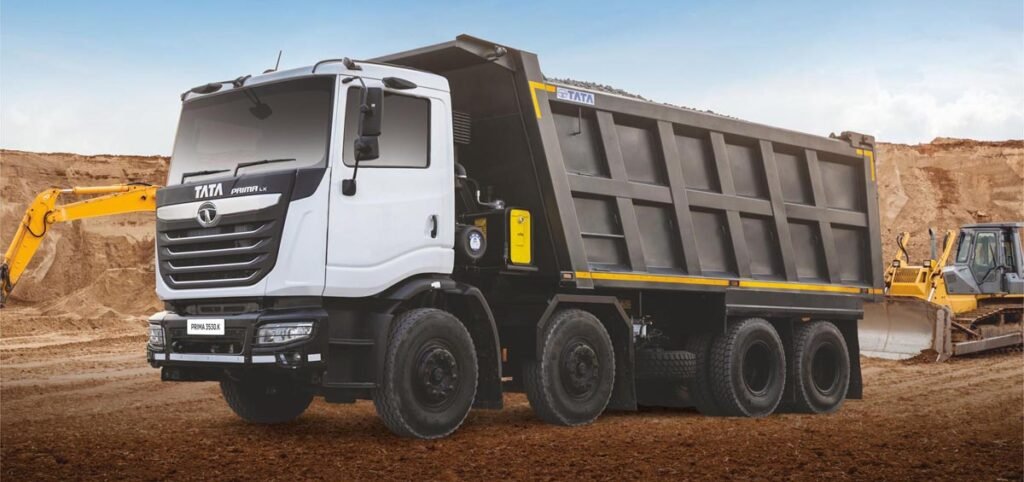
HCV sales increased 31.6% year-on-year to 60,247 units in H1 FY27, supported by infrastructure development and sustained activity across core industries. The segment also improved its market share to 55.7% from 55.2% in FY26, according to Vahan data.
Key demand drivers include:
- Infrastructure and bulk freight: Government capital expenditure continues to support heavy-truck demand, alongside cement, steel and agricultural bulk haulage. Rising cement and steel freight volumes have strengthened activity.
- Automotive logistics and fleet replacement: Auto-carrier movements have picked up on the back of healthy vehicle production. Fleet operators are also showing a clear preference for higher-tonnage vehicles as they renew older trucks.
- Policy support: The GST 2.0 rate rationalisation has provided an additional boost to demand.
Intermediate, Light and Medium Commercial Vehicles (ILMCVs)
ILMCV sales grew 21% to 37,920 units in H1 FY27. Expanding distribution networks, rising consumption in rural and semi-urban markets, and the growth of organised retail and digital commerce are supporting demand across multiple applications.
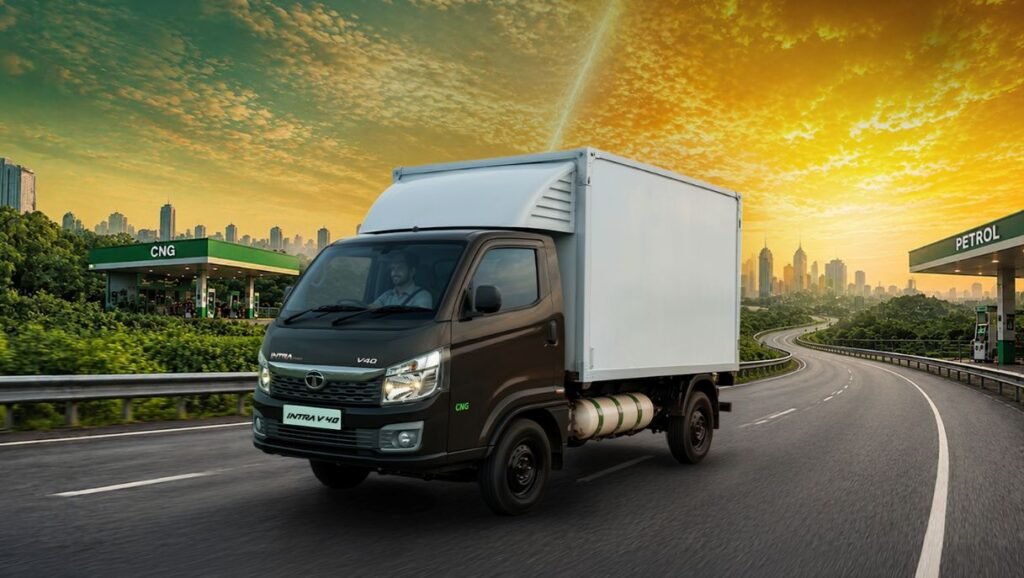
- Diverse end-use applications: Demand remains healthy across manufacturing, two-wheeler logistics, fruits and vegetables, FMCG, fast-moving consumer durables (FMCD), e-commerce and quick commerce.
- Three key tonnage bands: The 7-tonne category serves quick commerce and daily essentials such as dairy; 12-tonne vehicles cater to courier, parcel and e-commerce operations; and 18/19-tonne vehicles are used for fruits and vegetables, cement and other freight.
- Improved operational efficiency: Better road connectivity is making long-haul transport more efficient, enabling faster turnaround times and improved vehicle utilisation.
Small Commercial Vehicles and Pickups (SCVPUs)
SCVPU sales rose 30.5% year-on-year to 82,168 units in H1 FY27. Product introductions and demand from an expanding range of last-mile applications have supported the segment, while electric commercial vehicles are emerging as an additional growth driver.
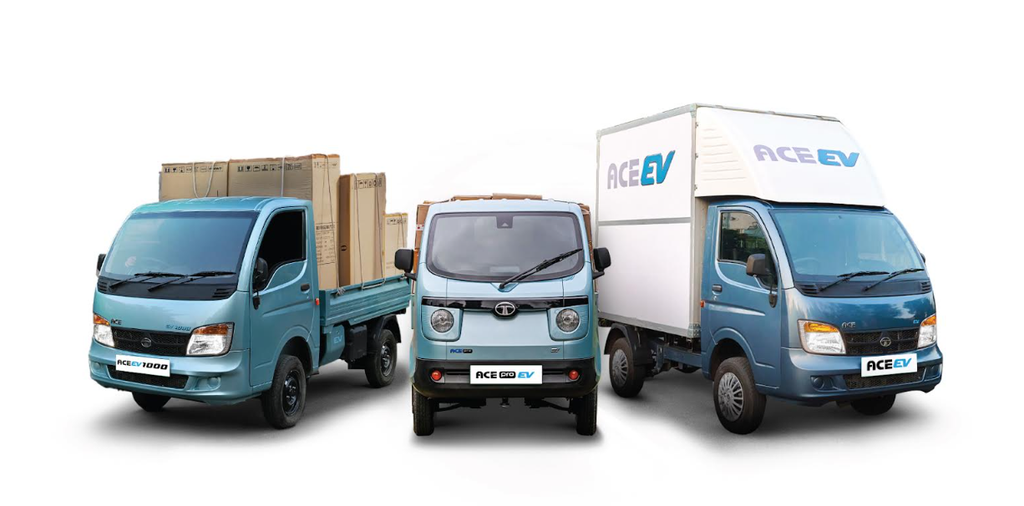
- Product-led growth: Recent launches, including the Intra V40, Intra V20, Intra EV, Ace Pro EV and Ace XL, have strengthened the portfolio across customer requirements.
- Expanding applications: Demand comes from auto components, water and milk distribution, fruits and vegetables, courier and parcel services, FMCG, FMCD, e-commerce and municipal applications. GST 2.0 rate rationalisation has also supported demand.
- Accelerating electrification: EV adoption is gaining traction, helped by large orders for electric commercial vehicles. The reported 44.6% market share in Q1 FY27 and approximately 10% EV sales mix should be read alongside confirmation of the precise vehicle category and measurement basis.
Passenger Carriers
Passenger carrier sales increased 28.2% to 33,995 units in H1 FY27, driven by institutional purchases and demand across school, staff, local public transport, tourism and intercity applications. The Tata Magic remains a key volume driver for local public transport and last-mile commuter connectivity, as well as school and staff transportation. In Maharashtra, school permits for the Magic have helped expand its presence.
- Institutional orders: Tata Motors has received around 5,000 passenger vehicle orders from State Transport Undertakings (STUs) across India, including new orders from MSRTC, JSRTC, GSRTC and UTC.
- School, staff and intercity mobility: Demand remains healthy across school and staff transportation, tour and travel operators, and mofussil and intercity routes. GST 2.0 rate rationalisation has provided additional support.
- Capacity and seasonal demand: Following the implementation of AIS 153, local bodybuilders have been ramping up capacity. Fleet aggregators are also expanding their fleets ahead of the festive season, while mofussil transportation demand is expected to improve following elections in West Bengal, Tamil Nadu and Kerala.
International Business: Exports More Than Double
Tata Motors’ international business recorded a 114.4% year-on-year increase to 29,272 units in H1 FY27, supported by improving global market conditions and an expanding export footprint.
- Export expansion: Strategic market development has widened the company’s international reach.
- Institutional wins: Large-scale commercial vehicle shipments to Indonesia have been a notable contributor to the growth.
Key Takeaways from H1 FY27
Three trends stand out from Tata Motors’ first-half performance:
- Outperforming the industry: Domestic volumes grew 28.6%, against industry growth of 23.45%, taking the company’s domestic market share to 36.2% from 35.1% in FY26, according to Vahan data.
- Strengthening core segments: HCV market share rose to 55.7% from 55.2% in FY26, while passenger carrier sales grew 28.2%, supported by STU orders and demand from school, staff and mofussil applications.
- A strong September finish: Total commercial vehicle volumes reached 51,062 units in September, up 42.4% year-on-year and marking the highest monthly sales tally of H1 FY27.
Outlook for H2 FY27
Tata Motors expects demand momentum to continue into the second half, supported by the festive season, GST 2.0 rate rationalisation and sustained activity across freight-generating sectors. However, the high base of H2 FY26 could moderate year-on-year growth rates, while commodity costs, diesel prices, potential interest rate increases and global uncertainties remain key monitorables.
The company’s growth priorities for the second half include:
Profitable growth: Converting institutional wins and international business opportunities into sustained volumes through innovation, customer focus and disciplined execution.
Demand and pricing: Capitalising on festive-season demand and the benefits of GST 2.0, while maintaining competitive vehicle pricing and customer value.
Order-book conversion: Leveraging a strong pipeline that includes more than 5,000 STU bus orders and over 3,400 electric commercial vehicle orders.