Tata Motors Passenger Vehicles Limited reported a mixed FY26 performance, with strong growth in its domestic passenger vehicle and electric vehicle business helping offset global challenges faced by Jaguar Land Rover (JLR).
For the quarter ended March 31, 2026, the company’s consolidated revenue rose 7.2% year-on-year to ₹1.05 lakh crore, while EBIT stood at ₹8,900 crore. The quarter witnessed a significant improvement sequentially as JLR production normalised and domestic passenger vehicle demand remained strong, resulting in healthy free cash flow generation of ₹11,400 crore.
For the full financial year FY26, consolidated revenue declined 8.3% year-on-year to ₹3.35 lakh crore. EBITDA and EBIT margins stood at 6.8% and 1.1% respectively, while profit before tax before exceptional items came in at ₹2,500 crore. After accounting for exceptional items worth ₹4,100 crore, the company reported a loss before tax of ₹1,600 crore from continuing operations.
The company said FY26 turned into a “tale of two halves”, with domestic operations witnessing strong momentum after GST 2.0 reforms, while JLR faced multiple global pressures including tariffs, cyber disruptions, rising commodity costs and challenging market conditions in China.
Consolidated net debt stood at ₹30,700 crore at the end of FY26, primarily due to adverse free cash flows linked to production stoppages at JLR.
Mr. Dhiman Gupta, Chief Financial Officer of Tata Motors Passenger Vehicles Limited, said the company will continue focusing on product interventions and structural cost actions while closely monitoring geopolitical developments and commodity prices.
The Board of Directors has recommended a final dividend of ₹3 per share, subject to shareholder approval.
Jaguar Land Rover
At JLR, Q4 FY26 revenue stood at £6.9 billion, down 11.1% year-on-year, while FY26 revenue declined 20.9% to £22.9 billion. Profitability remained under pressure due to the phased wind-down of outgoing Jaguar models ahead of the new Jaguar launch, production disruptions, increased US tariffs and intense competition in China.
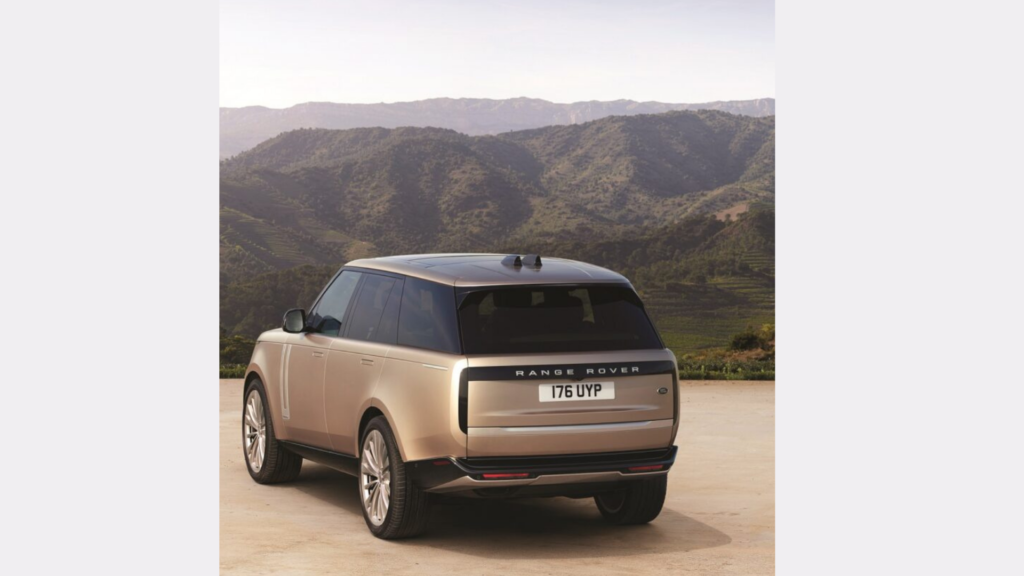
However, JLR witnessed strong sequential recovery during Q4 as production gradually returned to normal levels. The company generated free cash flow of £829 million during the quarter, although full-year free cash flow remained negative at £2.2 billion.
JLR ended FY26 with total liquidity of £6.9 billion, while net debt stood at £2.6 billion.
Among key highlights, Defender OCTA recorded a fourfold increase in sales during Q4, supported by multiple brand initiatives including the Defender Trophy and Dakar Rally participation. The first all-electric Jaguar, named Type 01, also drew strong global attention ahead of its unveiling later this year.
Mr. PB Balaji, Chief Executive Officer of Jaguar Land Rover, said the company remains focused on future growth through its “House of Brands” strategy while preparing for major upcoming launches including the Range Rover Electric and the new Jaguar lineup.
Passenger Vehicles
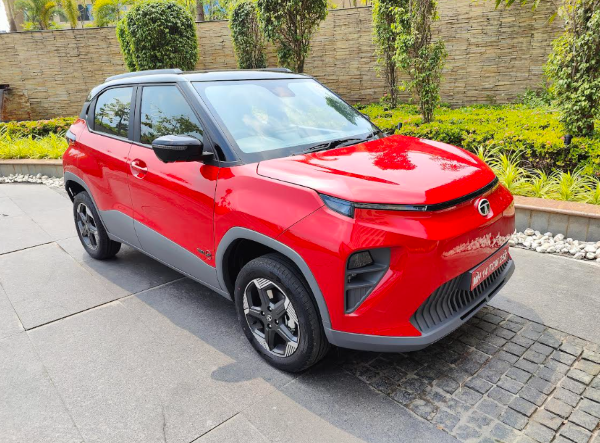
Meanwhile, Tata Motors Passenger Vehicles Limited delivered one of its strongest years in the domestic market. Q4 FY26 revenue for the passenger vehicle and EV business rose 49% year-on-year to ₹18,700 crore, while EBITDA margin improved to 9.4% and EBIT margin expanded sharply to 4.7%.
Quarterly PV and EV volumes grew 37% to 201,800 units, driven by strong demand for SUVs, CNG vehicles and electric mobility solutions.
For the full year FY26, the domestic business posted revenues of ₹58,500 crore, up 20.7% year-on-year, while maintaining EBITDA margin at 6.9% despite pricing pressure and commodity inflation.
The company improved its domestic market share to 14.2% during Q4, helping it secure the number two position in the Indian passenger vehicle market during the second half of FY26. EV market share remained strong at 40.2%, while Tata.ev crossed the milestone of 250,000 cumulative EV sales.
Alternative fuel vehicles continued gaining traction, with EV penetration reaching 14% and CNG penetration touching 27% during FY26.
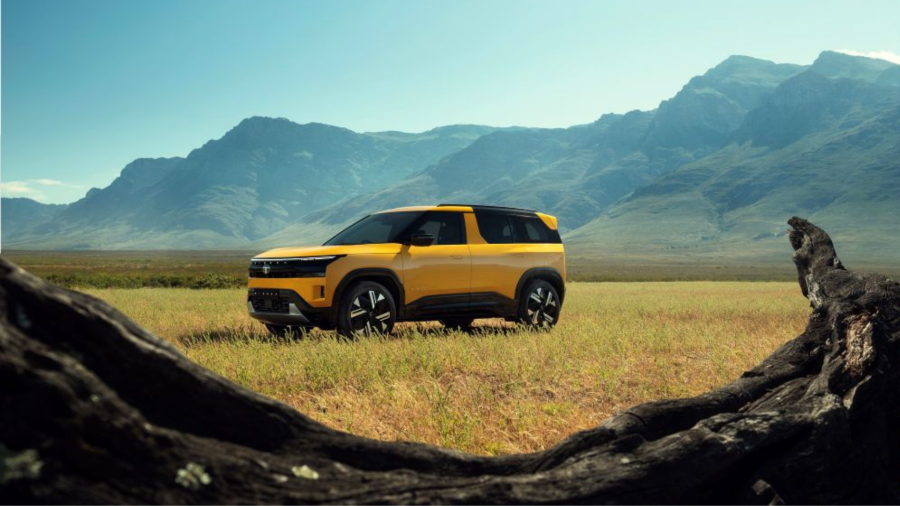
The company also strengthened its portfolio through multiple launches, including the all-new Tata Sierra, petrol-powered versions of the Tata Harrier and Tata Safari equipped with the new 1.5-litre Hyperion Turbo-GDi engine, updated versions of the Tata Punch and Tata Punch.ev, and the launch of the Tata Harrier.ev. The company also re-entered the South African market during the year.
Mr. Shailesh Chandra, Managing Director and CEO of Tata Motors Passenger Vehicles Limited, described FY26 as a landmark year for the company, highlighting its highest-ever annual sales of over 6.4 lakh units and strong EV growth of 43% year-on-year with annual EV volumes crossing 92,000 units.
Looking ahead, the company expects domestic demand momentum to remain healthy, supported by growth in SUVs, CNG and EVs, while continuing to monitor geopolitical developments and supply-chain risks closely.