Company is reimagining Aftersales Excellence through Digitalisation, Network Expansion and Customer-Centric Service
By Ravichandran Srinivasan
India’s luxury car market is evolving at a rapid pace, driven by a younger, more aspirational customer base, increasing digital adoption, and a growing appetite for premium experiences beyond metro cities. At the same time, the shift toward electrification and software-defined vehicles is redefining both product strategy and ownership experience.
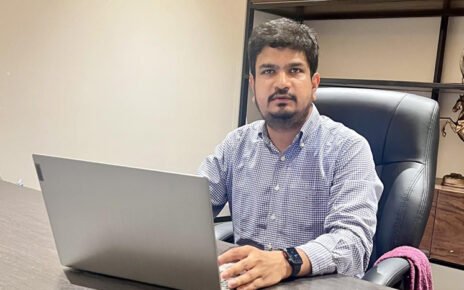
In this context, BMW Group India continues to strengthen its leadership position through a balanced focus on network expansion, customer-centric innovation, and technology-led transformation. In this detailed interaction, Mr. Hardeep Singh Brar, President & CEO, BMW Group India, shares insights on his professional journey, the company’s strategic priorities, and how it is reimagining luxury mobility for the Indian market.
Could you briefly walk us through your journey to leading BMW Group India?
It has been a 30-year journey – and one I would not change, including the most challenging phases, because those were the ones that taught me the most.
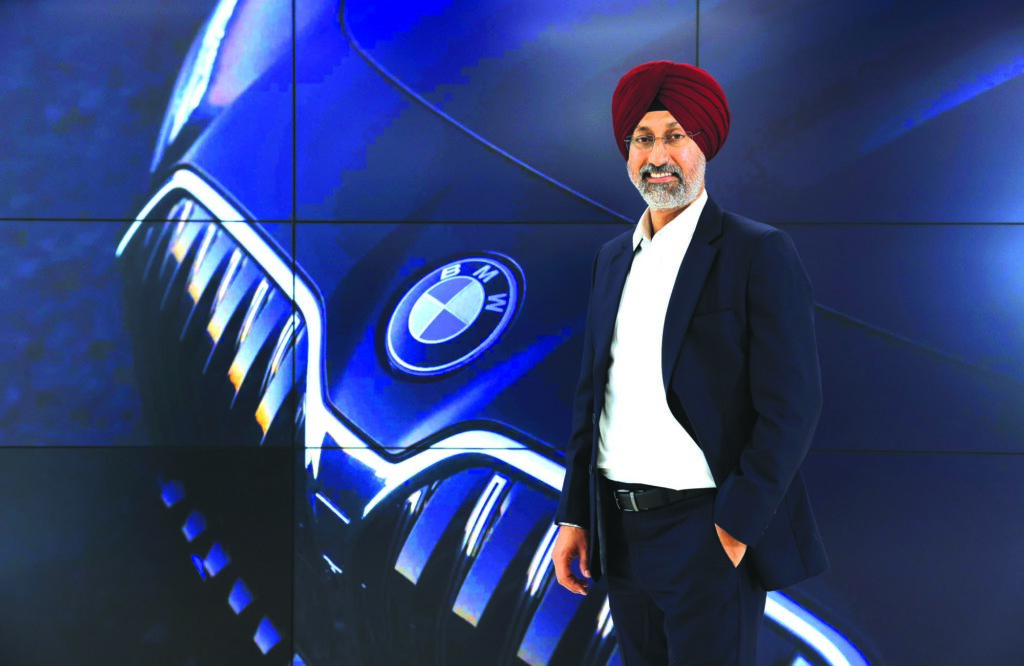
President & CEO, BMW Group India
I started my career with Maruti Suzuki, where I spent 17 years. That experience gave me a deep understanding of the Indian consumer. You quickly realise that scale is not just about numbers but about mindset. Building a market requires patience, a clear strategy, and a willingness to listen closely to customers.
I then worked with Volkswagen, General Motors, Nissan, and Kia – each with its own culture and approach to the Indian automotive business. These experiences broadened my perspective significantly. Each organisation exposed me to different customer segments and different definitions of aspiration. Over time, it became clear that people do not just buy cars – they buy into a lifestyle.
My time at Harvard gave me an opportunity to step back and think more strategically. It helped me reflect on how heritage and innovation can coexist, and how brands with deep legacy can stay relevant for first-time luxury buyers.
Today, at BMW Group India, I see all these experiences coming together. The brand’s ambition and its role in shaping luxury adoption in India make this an extremely exciting place to be.
How is your network evolving, and how do you ensure a consistent BMW experience across cities?
We currently have over 80 touchpoints across 37 cities, including Chandigarh, Kochi, Jaipur, Lucknow, Ranchi, and Guwahati. The demand for the BMW experience in these markets is as strong as in Delhi or Mumbai.
By the end of 2026, we plan to add 10 new touchpoints, with a clear focus on Tier-2 and Tier-3 cities. However, expanding the network is the easier part. The real challenge is ensuring that a customer in Lucknow experiences the same level of engagement as one in Bengaluru.
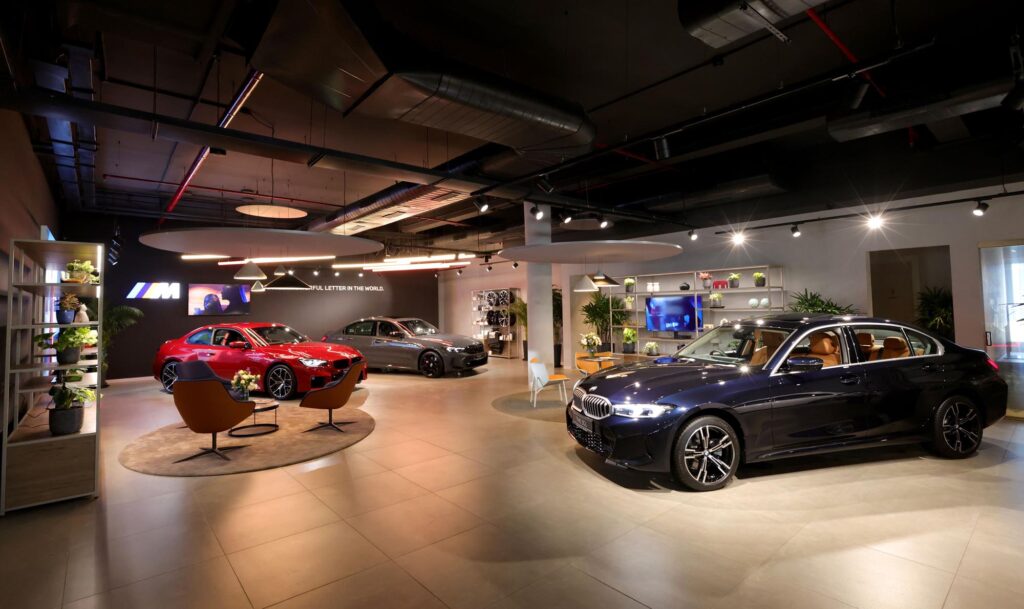
This is where Retail.NEXT becomes critical. It is not a superficial upgrade but a complete rethinking of the dealership experience. It brings together physical and digital elements to create a seamless, immersive environment.
By the end of 2027, Retail.NEXT will be implemented across 56 facilities in 33 cities, supported by an investment of INR 365.6 crores. The goal is to deliver a consistent experience in terms of design, service culture, and customer engagement, regardless of location.
At the same time, we recognise that customer engagement extends beyond the dealership. Initiatives such as the BMW M Drift Academy, BMW Golf Cup, MINIscapes, MINI Go-kart Days, and BMW GS Experience allow us to connect with customers in environments that are relevant to their lifestyles.
What is your outlook for the Indian luxury car market, and where does BMW stand?
We expect the luxury car segment to grow strongly through 2030. What is changing is not just the size of the market, but the mindset of the customer.
India has traditionally been seen as a value-conscious market, but that definition of value is evolving. A new generation of buyers – younger, globally exposed, and often self-made – is entering the segment. They are clear about what they want and are not looking for incremental upgrades. They want authentic luxury experiences.
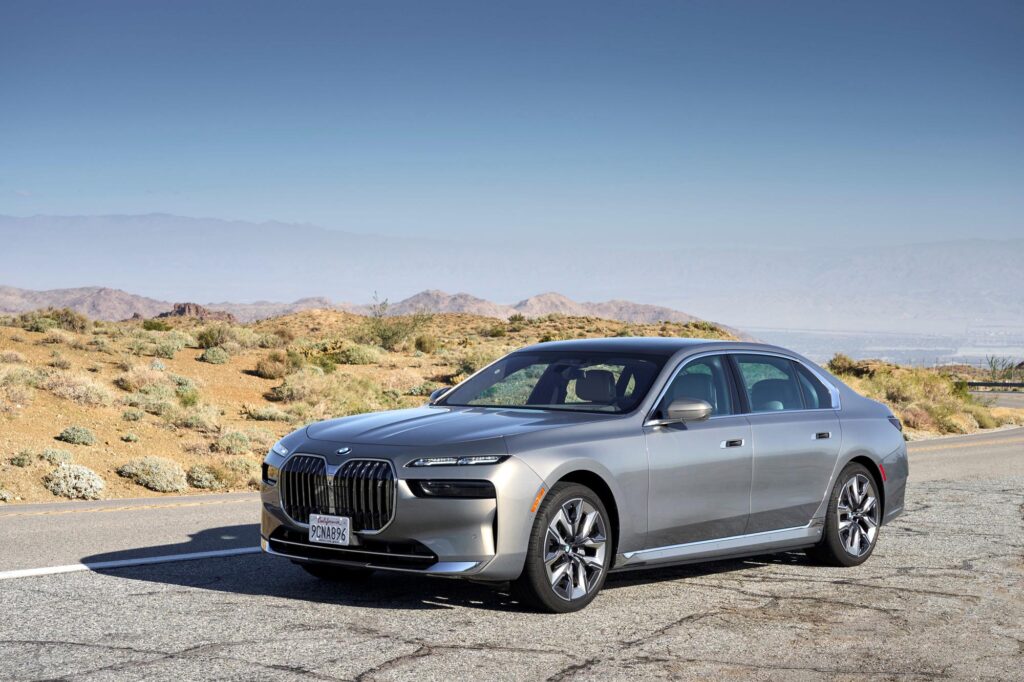
Our performance in 2025 gives us strong confidence. We closed the year with over 18,000 units and around 35% market share. We have consistently delivered double-digit growth, with strong performance from our long wheelbase and SUV portfolios.
Electrification is another key driver. EVs accounted for nearly 21% of our sales in 2025, which is more than double the segment average of 9–10%. This reflects a long-term strategy where product development and infrastructure investments were made well in advance.
How are you balancing ICE, hybrid, and electric powertrains within your portfolio?
We do not see this as a forced transition – we see it as enabling customer choice. At BMW Group, customers can choose from petrol, diesel, hybrid, or electric drivetrains.
Our philosophy is based on technology openness. The focus is on ensuring that whichever drivetrain a customer chooses, it represents the best offering in that segment.
This approach requires flexibility across manufacturing, supply chain, and network readiness. The results validate this strategy. EVs contributed 21% of our sales in 2025, not because alternatives were restricted, but because customers found the products compelling.
How is BMW adapting to a younger, tech-driven luxury customer base?
The BMW customer is becoming younger and more intentional in their choices. The 30–49 age group we are increasingly engaging with consists largely of self-made entrepreneurs and first-generation wealth creators.
For this audience, heritage is important but not sufficient. They are focused on the future. They expect their cars to be technology-driven, constantly evolving, and integrated with their lifestyle.
This shift has influenced how we approach both product development and customer engagement. Luxury remains a deeply personal experience, and brands that can connect meaningfully with individual aspirations will be the ones that succeed.
The EV data provides an interesting insight. Around 65% of our EV buyers are under the age of 45. For the BMW iX1, nearly one-third of customers are under 39, coming from sectors such as manufacturing, technology, and legal. These are informed buyers making deliberate decisions.
How are software-defined vehicles changing your approach to servicing?
The move toward software-defined vehicles is fundamentally changing how servicing is approached. Traditional scheduled maintenance is becoming less relevant.
BMW’s Condition Based Service is built on real-time data. The vehicle monitors its own systems and alerts the customer when service is actually required, rather than relying on fixed intervals.
The next step is predictive servicing. As vehicles generate more data, we can anticipate potential issues before they occur. Addressing a component early during a planned visit is far more efficient than dealing with an unexpected failure.
For customers, the value lies in the confidence that their vehicle is being continuously monitored and maintained proactively.
How are you addressing the shortage of EV-skilled technicians?
The shortage of EV-certified technicians is a real challenge, and it requires a structured and long-term approach.
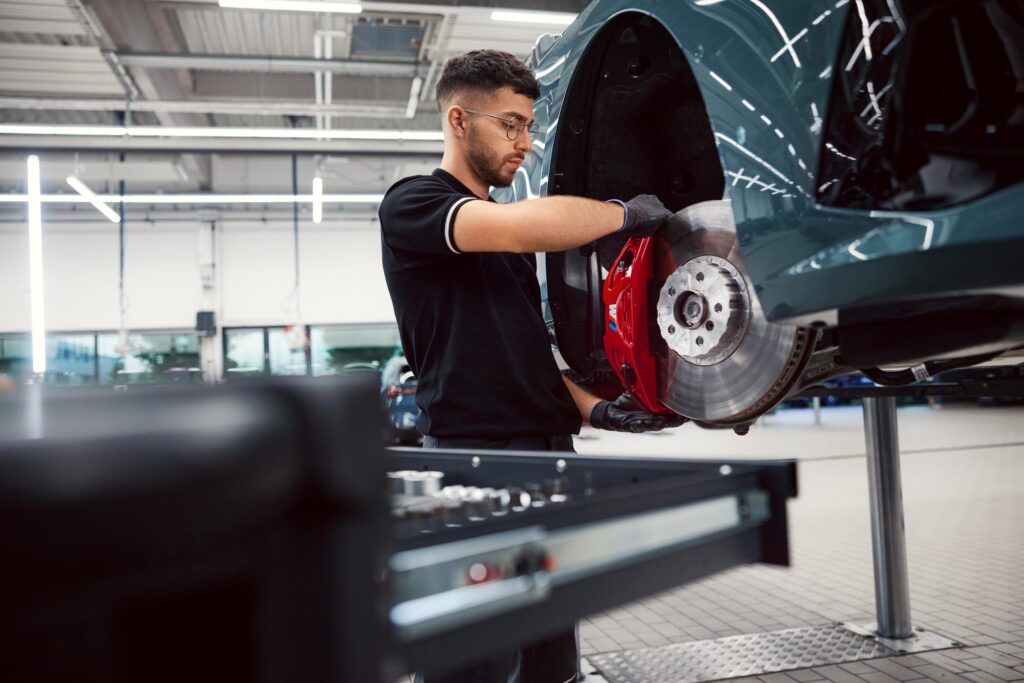
High-voltage systems and advanced software diagnostics demand a different skill set compared to conventional vehicles. We are investing in training programmes, certification frameworks, and hands-on infrastructure to build a future-ready workforce.
At the same time, retaining talent is equally important. We are focused on creating career pathways that make BMW an attractive destination for top technical talent.
The after-sales experience is a critical part of the ownership journey, and the quality of service interactions reflects the strength of our talent ecosystem.
What digital interventions are enhancing the service experience?
Our service philosophy, ‘Relax. We Care.’, is centred on convenience, transparency, and customer confidence.
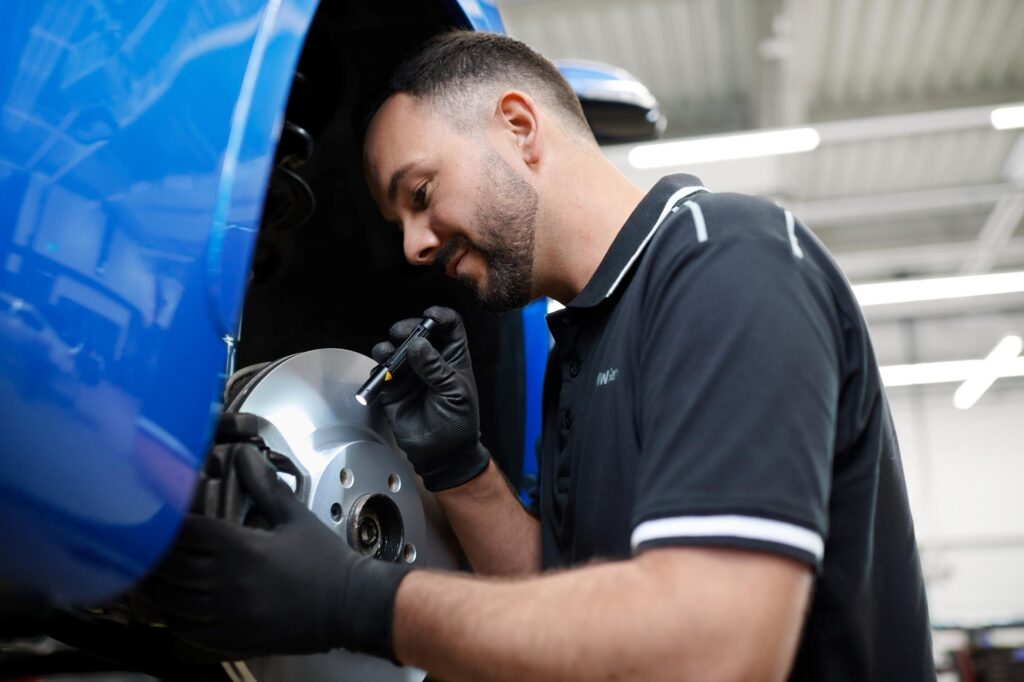
We have introduced several digital interventions, including personalised service videos, online appointment scheduling, Fast Lane servicing through the MyBMW app, and home pick-up and drop services.
Customers also receive real-time updates from technicians, along with digital authorisation and seamless payment options. These initiatives ensure that the service experience is efficient and transparent, while respecting the customer’s time.
How does your certified pre-owned programme support brand equity?
BMW Premium Selection plays a crucial role in strengthening our brand ecosystem. Every vehicle undergoes a comprehensive 360-degree inspection and refurbishment before being included in the programme.
We offer warranty packages of 12 and 24 months, along with flexible maintenance options ranging from 3 years/40,000 km to 10 years/2,00,000 km.
This approach eliminates uncertainty for pre-owned buyers and ensures a consistent ownership experience. It also reinforces residual values, which are a strong indicator of brand trust.
How is sustainability shaping your operations?
Sustainability is a core strategic priority. BMW Group is committed to achieving a 90% reduction in CO₂ emissions by 2050, compared to 2019 levels.
This commitment extends across the value chain – from production processes powered by renewable energy to supply chains aligned with green practices and a strong focus on circular economy principles.
The use of secondary materials not only reduces emissions but also enhances supply chain resilience. In this case, sustainability and business efficiency are closely aligned.
What will differentiate successful luxury OEMs in India by 2030?
Reach will be the defining factor. While electrification is important, the real challenge lies in building strong retail and financial ecosystems, particularly in Tier-2 and Tier-3 markets.
Brands that can establish meaningful relationships in these markets, while maintaining consistent customer experience, will have a clear advantage.
What is the core message behind BMW’s after-sales philosophy?
The essence of our after-sales philosophy is captured in three words – ‘Relax. We Care.’
When a customer hands over their vehicle, they are placing their trust in us. Our responsibility is to return that vehicle in the best possible condition while ensuring a seamless and reassuring experience.
Sheer Driving Pleasure extends beyond the driving experience. It defines every interaction a customer has with the brand, including after-sales.