TheVice President of SIAM and Managing Director and CEO of Ashok Leyland noted that from depending on global technology, India can become a hub for designing and manufacturing commercial vehicles.
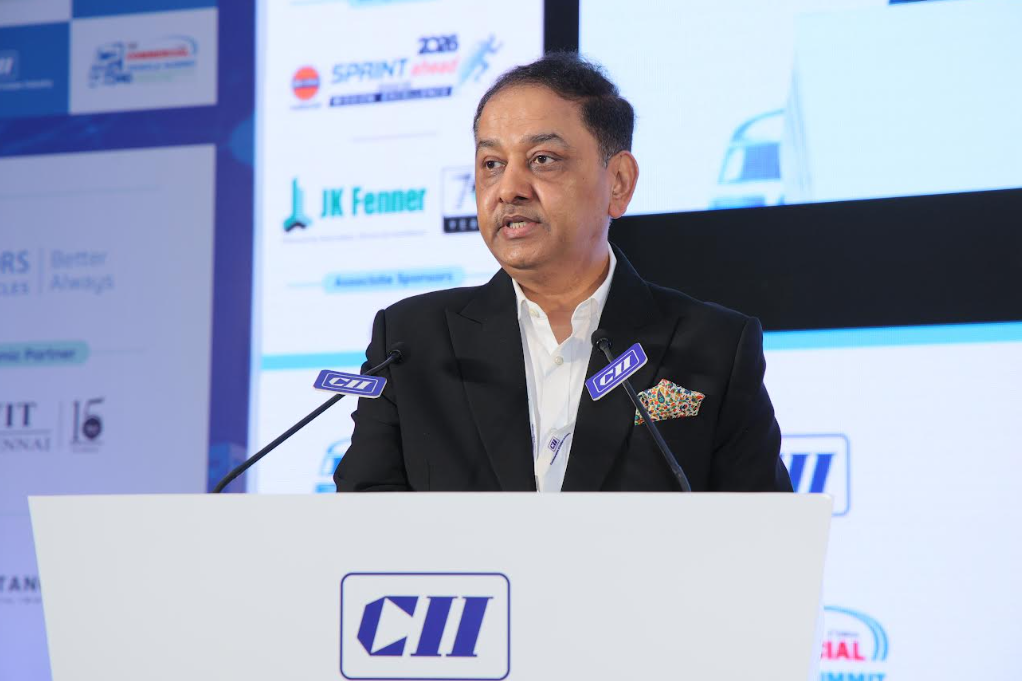
The year 2047 may seem far away, but for the commercial vehicle industry, that future is already taking shape—in labs, on shop floors and in policy rooms, Mr. Shenu Agarwal, Vice President, SIAM and Managing Director and CEO, Ashok Leyland, has said.
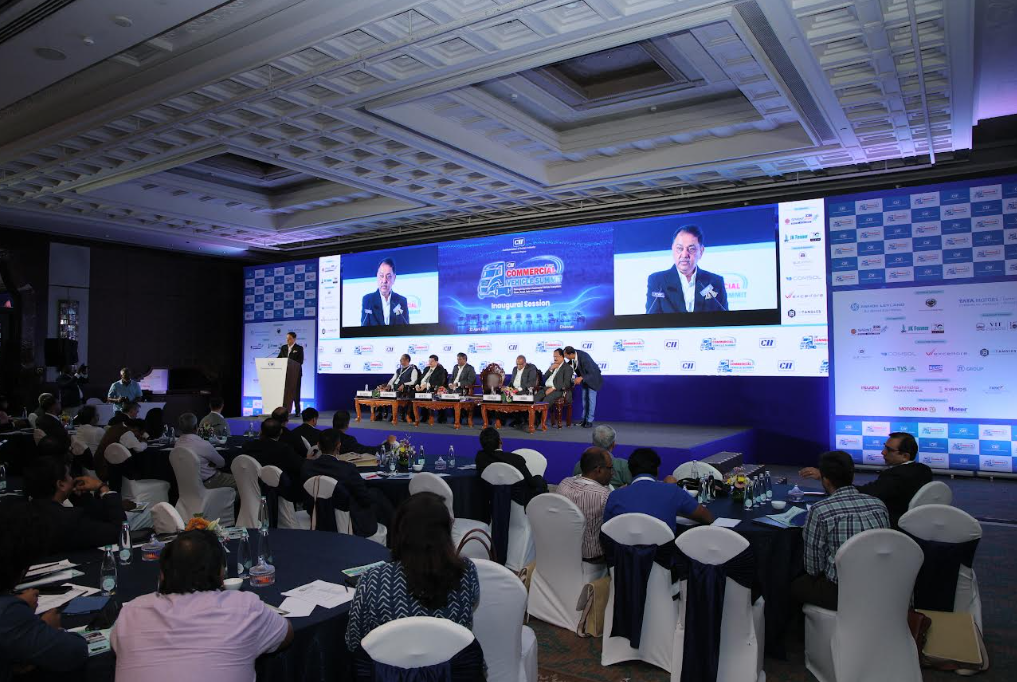
Speaking at the recently concluded Commercial Vehicle Summit 2026, Mr. Agarwal said the road ahead will need investment, policy support and continuous innovation. It will also need collaboration across industry and government. Most importantly, it must ensure that progress does not leave people behind, because in the end, trucks will do more than move goods. They will move India forward.
To explain this further, he said that India’s growth story is often told through GDP numbers, but there is another side to it. A future where trucks move trillions of tonnes of cargo across billions of green kilometres, supporting millions of livelihoods. In that journey, the commercial vehicle industry will not just support growth—it will help build it, he explained.
According to him, the biggest shift will be in energy. For decades, trucks have relied on diesel, much of it imported. That dependence is a risk. The future will move towards a mix of fuels—electric for cities, LNG and bio-CNG as transition options, and eventually hydrogen powered by India’s own renewable energy. At the same time, the industry is looking at a circular economy, where vehicles are designed to be largely recyclable and old trucks become the starting point for new ones. The goal is to reduce dependence on imports and make growth more resilient.
The next shift is intelligence, he said, adding that “to be a global superpower by 2047, we must bring this down to under 8%. We cannot do this just by building more roads. We must make our vehicles smarter. By 2047, a truck will no longer be just a mechanical asset, it will be a software entity. In 2026, we are already seeing the benefits of AI driven predictive maintenance and real time fuel mapping. The road ahead will lead us to autonomous and connected ecosystems.”
Trucks are becoming connected, software-driven machines that can predict failures, optimise routes and communicate with the ecosystem around them. In the future, they will act like intelligent systems, improving efficiency and saving time. With India’s strength in IT, this transformation can significantly boost productivity and add real value to the economy, he highlighted.
But the most important change is about people. For long, truck drivers have worked in difficult conditions with limited recognition. That needs to change. Better cabins, improved safety systems and a focus on comfort will make driving a more respected profession. The industry is also aiming for near-zero road fatalities, with safer vehicle design and advanced technologies. At the same time, improved ergonomics and automation are opening the door for a more diverse workforce, including more women.
As these shifts come together, India’s global role will evolve, he pointed out. From depending on global technology, the country can become a hub for designing and manufacturing commercial vehicles. Built for tough local conditions, Indian trucks have the potential to compete anywhere. By 2047, Mr. Agarwal hoped that “Made in India” could stand for quality, efficiency and reliability worldwide.
https://www.motorindiaonline.in/ashok-leyland-brings-back-taurus-and-hippo-with-next-gen-tech/