FY2025–26 turned out to be a year where momentum returned quietly—but strongly—to India’s commercial vehicle and farm equipment sectors. What began as a cautious recovery soon gathered pace, driven by infrastructure push, rural demand and sharper product strategies across companies.
At the core is a clear shift is that demand is no longer patchy. It is broad-based, visible across trucks, buses, last-mile vehicles and tractors—each segment telling its own growth story.
Firm Comeback
The commercial vehicle cycle regained strength as the year progressed. Improved freight movement, infrastructure activity and replacement demand created a strong foundation.
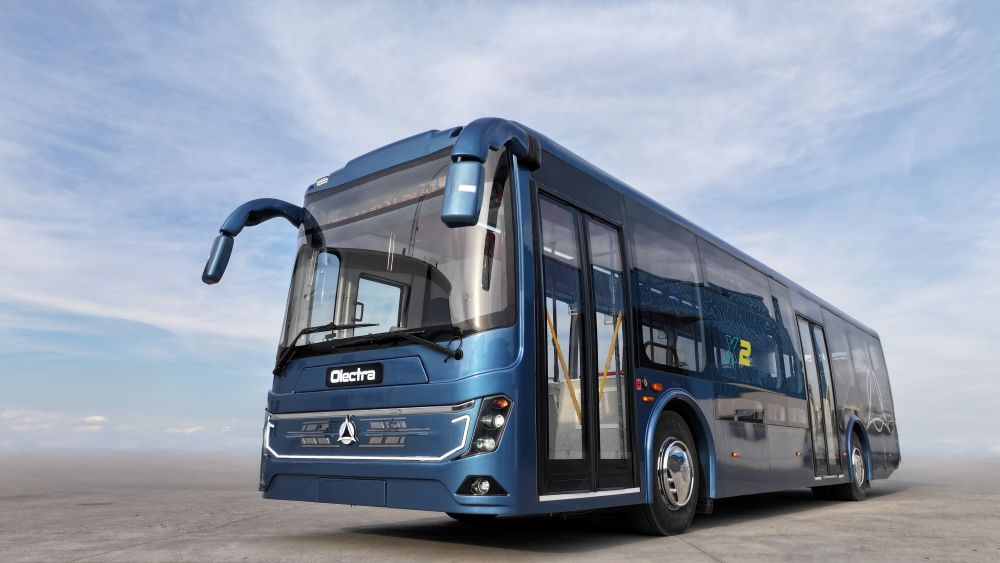
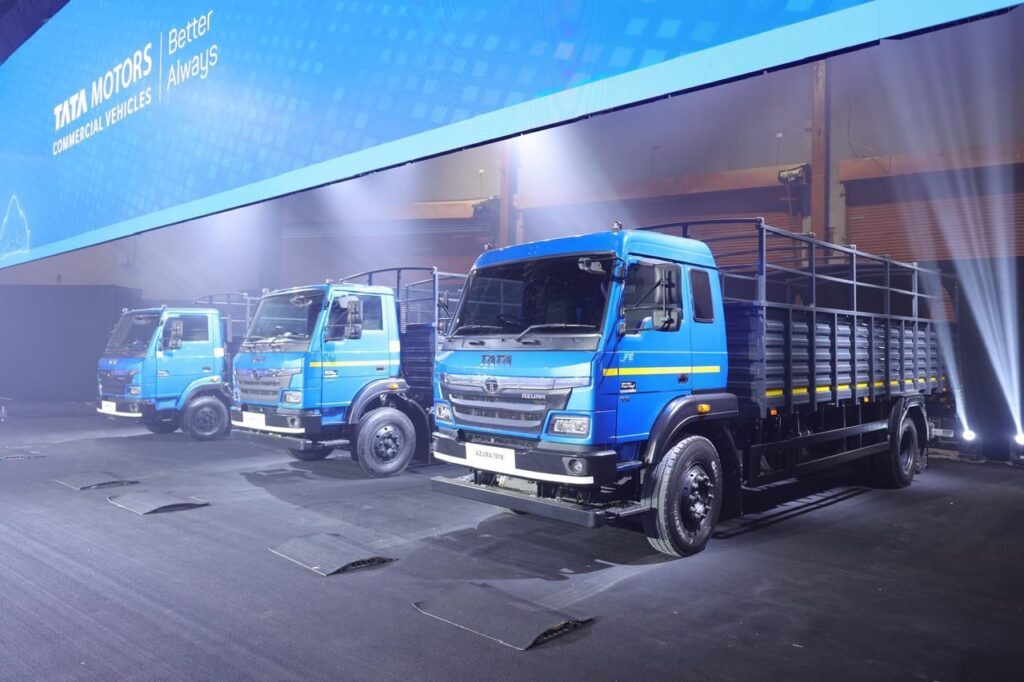
Tata Motors emerged as one of the key gainers. Its CV business grew 14% in FY26 to 4,28,329 units, with a sharp 25% jump in Q4 alone. March numbers too reflected this momentum, rising 17%. The growth was not limited to one category—trucks, passenger carriers and small commercial vehicles all contributed, signalling a healthy and balanced recovery.
Ashok Leyland, on the other hand, followed a more steady path. Its FY26 sales grew 13%, with strong traction in LCVs and M&HCV trucks. However, the bus segment remained under pressure, reflecting uneven demand in public transport. Even so, the company managed to maintain stable growth, supported by consistent demand in freight and last-mile connectivity.
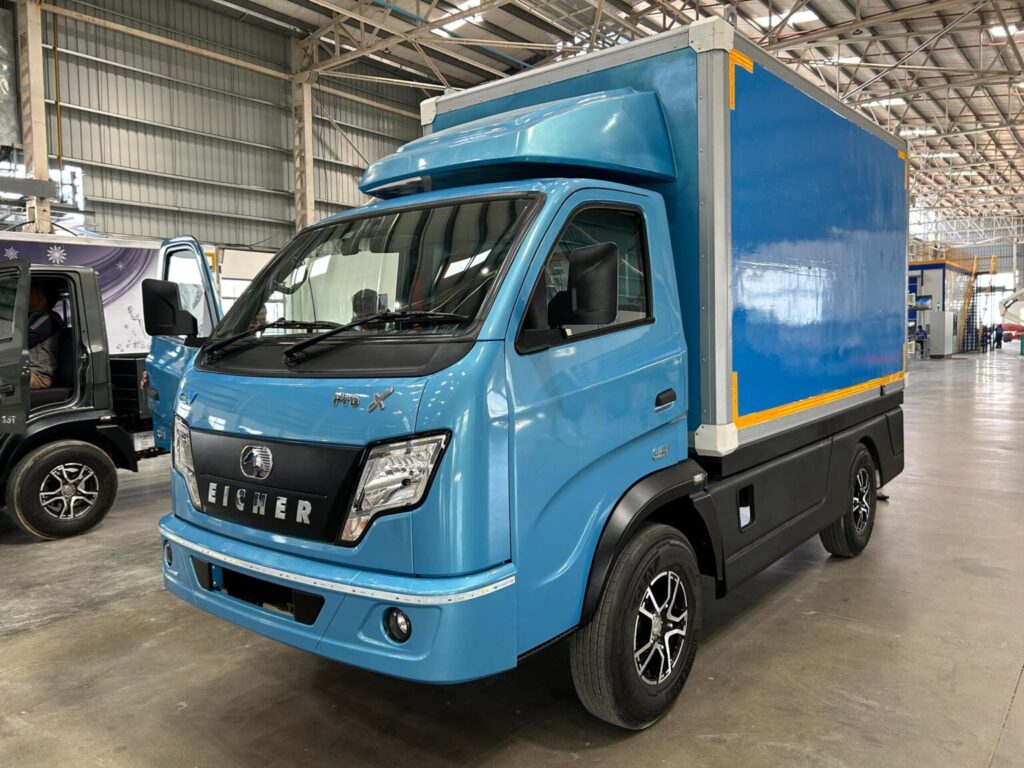
Meanwhile, VE Commercial Vehicles (VECV) crossed a significant milestone—100,000 units in annual sales for the first time. VECV’s strong performance was driven by strong demand across segments, with Light & Medium Duty (LMD) trucks contributing 47,789 units (46.1%), Heavy Duty (HD) trucks accounting for 26,867 units (25.9%), and the bus segment contributing 19,363 units (18.7%).v Its performance stood out for its balanced portfolio, with strong contributions from light and medium-duty trucks, heavy-duty trucks and buses. Backed by Volvo’s technology and Eicher’s market understanding, VECV continues to strengthen its position with a clear focus on efficiency and uptime.
Premium Mobility, Niche Strength
While large CV players drove volumes, companies like Force Motors carved out strong growth in niche segments. Force Motors reported a 20% growth in FY26, with rising demand for its Traveller range and a sharp surge in Urbania volumes. The latter, positioned as a premium shared mobility solution, is gaining traction among fleet operators and institutional buyers—highlighting a shift towards more comfortable and refined people movers.
Rural India Drives Next Wave
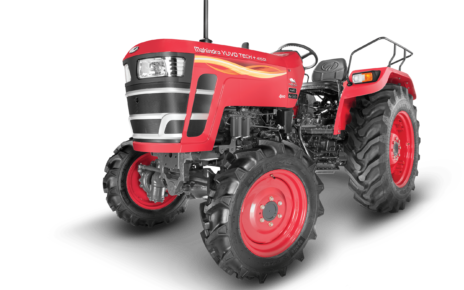
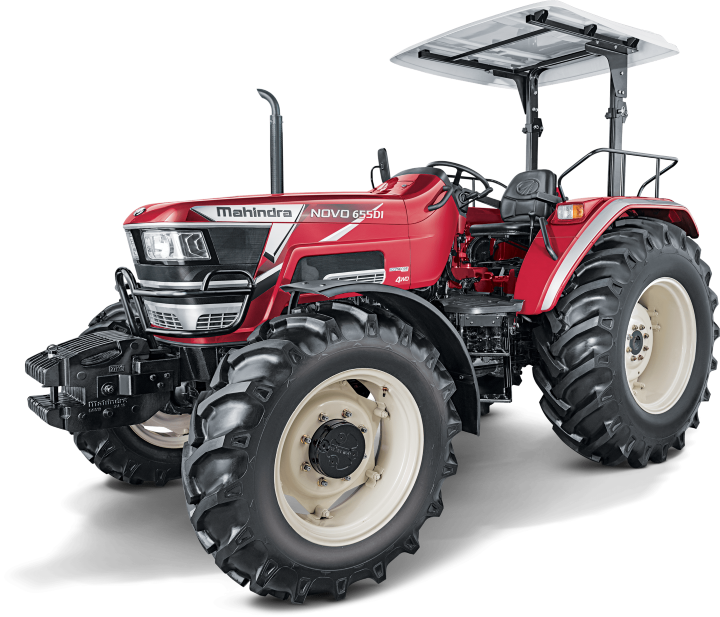
If commercial vehicles’ story is of economic activity, tractors reflected the strength of rural India. Mahindra & Mahindra delivered a improved performance, with record domestic tractor sales of over five lakh units in FY26, growing 24%. A strong March, aided by festive demand and positive farm sentiment, underlined the sector’s resilience.
Sonalika, too, hit a new high with 1,80,504 tractors sold during the year. Its growth highlights a notable trend—farmers are increasingly investing in better, more powerful equipment, supported by improved incomes and mechanisation needs. Together, these numbers point to a strong rural recovery—one that is now playing a critical role in driving overall industry growth.
What makes FY26 particularly interesting is the balance across segments. Heavy trucks are growing with infrastructure demand. Light commercial vehicles are benefiting from e-commerce and last-mile needs. Buses are slowly stabilising. And tractors are riding on rural strength. This is not a one-segment story—it may be called as a full-spectrum recovery.
Looking ahead
As the industry moves forward, the focus may shift from recovery to consistency. Companies are now investing in efficiency, new products and future-ready technologies to sustain growth. The signs are clear. Demand is back, confidence is improving and the market is expanding across both urban and rural India.
In many ways, FY26 marks not just a recovery year—but the beginning of a more stable and diversified growth phase for India’s mobility and farm sectors, provided the West Asia War ends at the earliest.