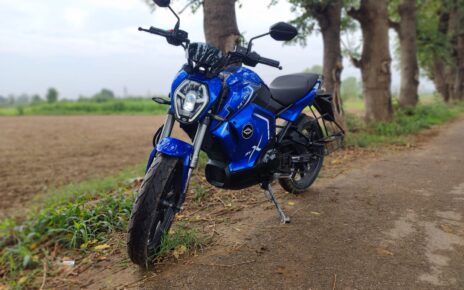
India’s electric CV shift is picking up pace, and with better infrastructure and rising adoption, it is fast becoming one of the most competitive and rapidly evolving segments in the industry.
India’s electric commercial vehicle (CV) market has entered a high-growth phase in FY26, with total retail volumes more than doubling to 19,454 units—up 120.6% year-on-year against 8,820 units in F25. EV penetration in the CV segment also improved from 0.93% in FY25 to 1.83% in FY26, indicating a gradual but clear shift towards electrification in cargo and passenger mobility.
However, the growth story is not uniform. It reflects a dynamic mix of established leaders consolidating their position and new-age players aggressively scaling up.
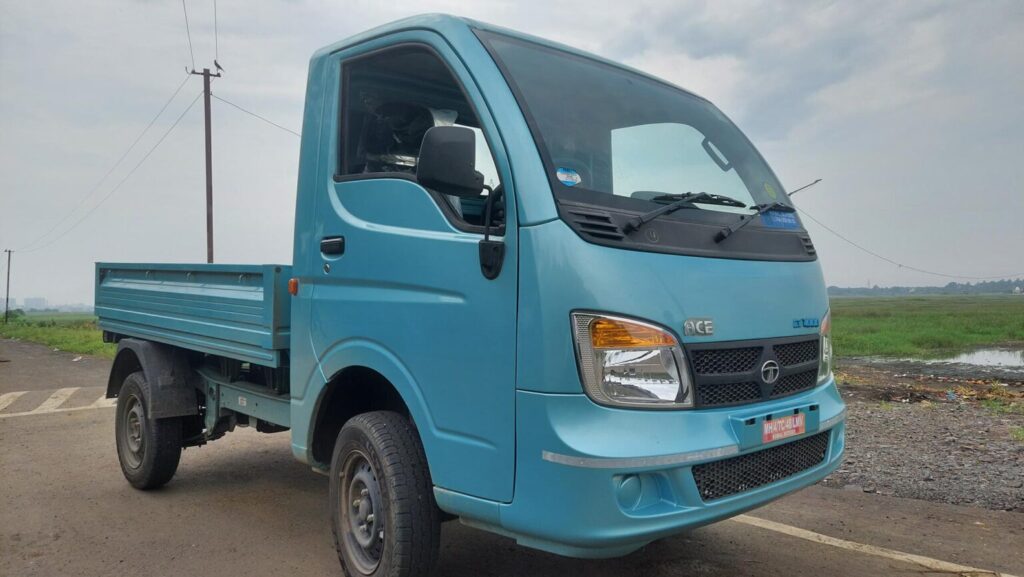
Tata Motors continues to lead the electric CV space, retailing 6,023 units (4,291) in FY26 with a steady 40.4% growth. Its leadership is backed by early investments, a strong product lineup and a growing ecosystem, particularly in the small commercial vehicle segment.
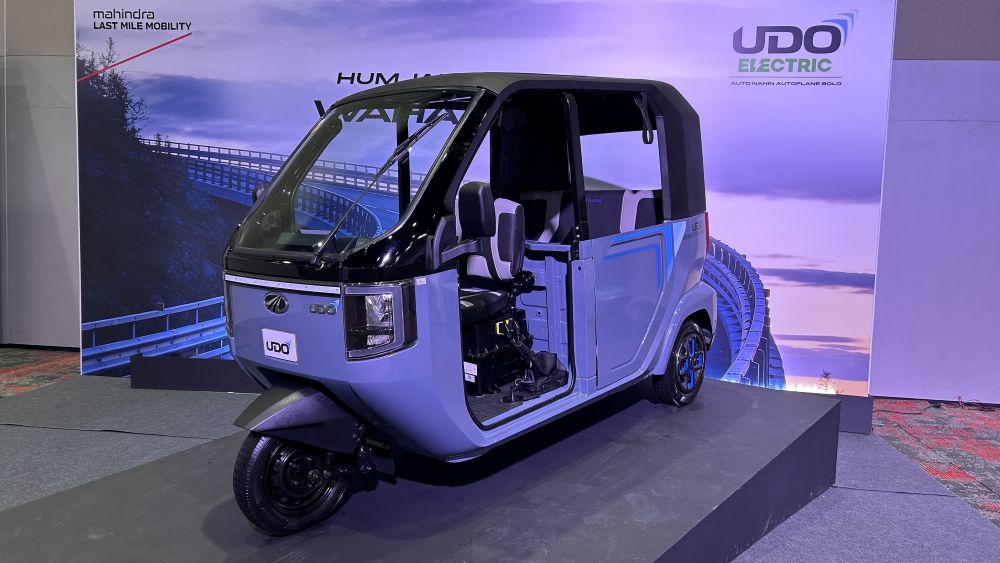
Mahindra Group has emerged as a major force last fiscal, driven largely by its last-mile mobility business. Combined volumes from Mahindra entities reached nearly 5,773 units (1,711), with Mahindra Last Mile Mobility alone contributing 2,885 units and registering over 239% growth. This highlights Mahindra’s strong focus on electrifying last-mile transport.
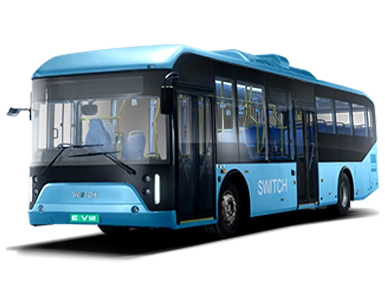
Switch Mobility is also gaining traction, clocking 2,255 units (889) with a 153.7% growth. Its focus on electric buses and fleet solutions is helping it build a strong presence in the segment.
Euler Motors has posted one of the most impressive performances, growing sharply to 2,093 units (76) with a massive 27-fold jump, reflecting the rapid adoption of electric cargo solutions in urban logistics and e-commerce applications.
PMI Electro Mobility and JBM Auto continue to strengthen their positions in the electric bus segment, with 1,147 units (482) and 1,150 units (379) respectively, both registering strong triple-digit growth. Their performance highlights increasing electrification in public transport.
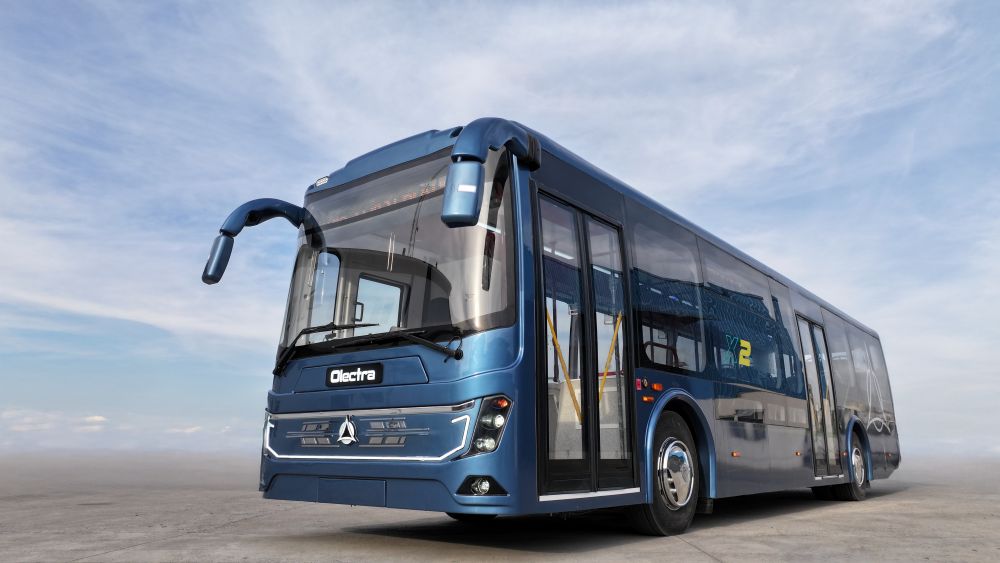
Olectra Greentech, a key player in electric buses, reported a more moderate 21.5% growth with 903 units (743), indicating a more stable and mature growth phase.
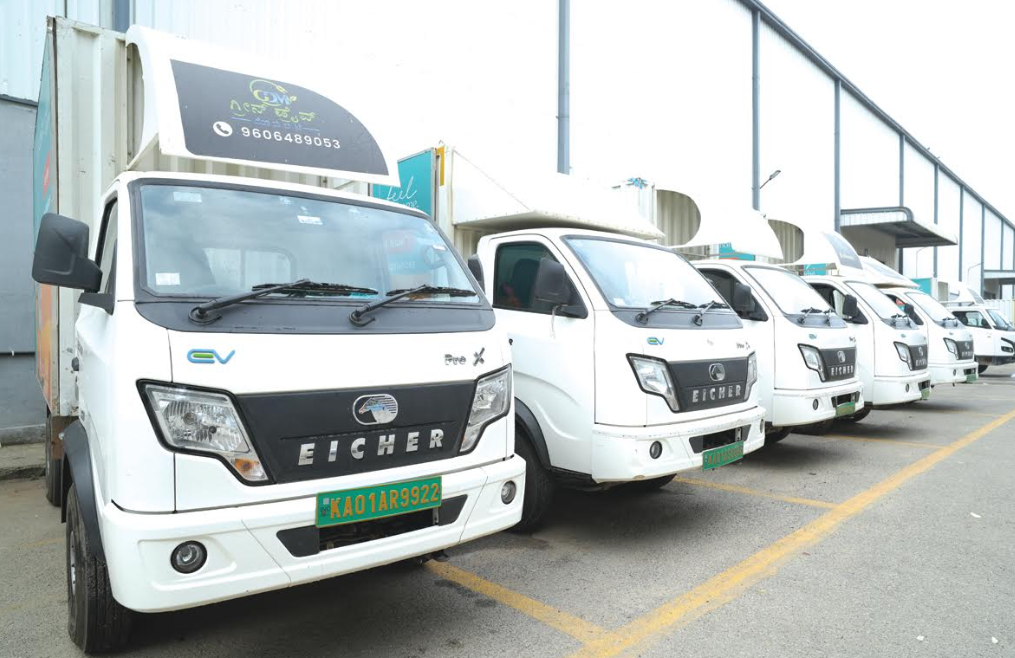
VE Commercial Vehicles (VECV) has shown strong momentum with 701 units (187) growing 274.9%, signalling its increasing focus on electrification across segments.
Among emerging players, Tivolt Electric Vehicles stands out with exponential growth to 503 units, while Pinnacle Mobility and IPL Tech Electric, registering 446 units and 233 units respectively, reflecting the entry of specialised and niche players into the market.
Jaidka Power Systems and Energy In Motion are gradually building their presence, contributing to the widening competitive landscape, selling 201 units and 185 units during last fiscal.
Overall, the electric CV market in India is evolving rapidly. While Tata Motors retains its leadership, the gap is narrowing as multiple players—both established and new—scale up aggressively. The growth is being driven by last-mile logistics, public transport electrification and rising demand for cost-efficient mobility solutions.
3W Market Deepens as Growth Diversifies Across Players
India’s electric three-wheeler (3W) market continues to lead the country’s EV transition, with penetration rising to 60.9% in FY26 from 57.2% in FY25. Total retail volumes grew to 8.3 lakh units (6.98 lakh), marking an 18.9% year-on-year increase.
While the segment is already highly electrified, the latest data shows a shifting competitive landscape, with strong growth from both established players and emerging challengers.
Again, Mahindra Group remains the clear market leader, crossing the 1-lakh mark with 1,01,873 units (69,579) and posting a healthy 46.4% growth. Its dominance is driven largely by Mahindra Last Mile Mobility, which alone contributed over 1-lakh units, reinforcing its stronghold in the passenger and cargo last-mile segment.
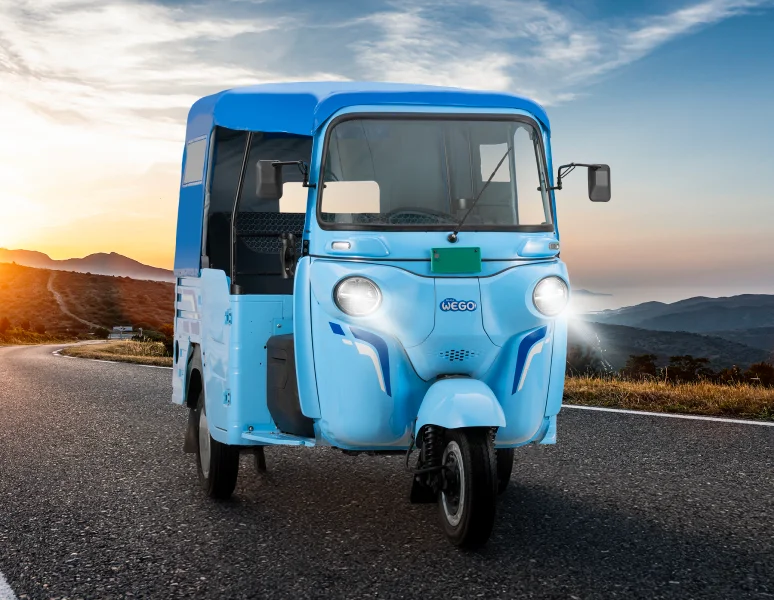
Bajaj Auto continues to strengthen its position as a key challenger, recording 89,604 units (50,851) with a robust 76.2% growth. Its aggressive push in the electric three-wheeler space is clearly paying off.
Among traditional players, Piaggio saw a decline of 25.8%, indicating pressure from newer and more competitive offerings. Similarly, YC Electric, Saera Electric and Dilli Electric Auto also reported declines, reflecting intensifying competition and possible consolidation in the market.
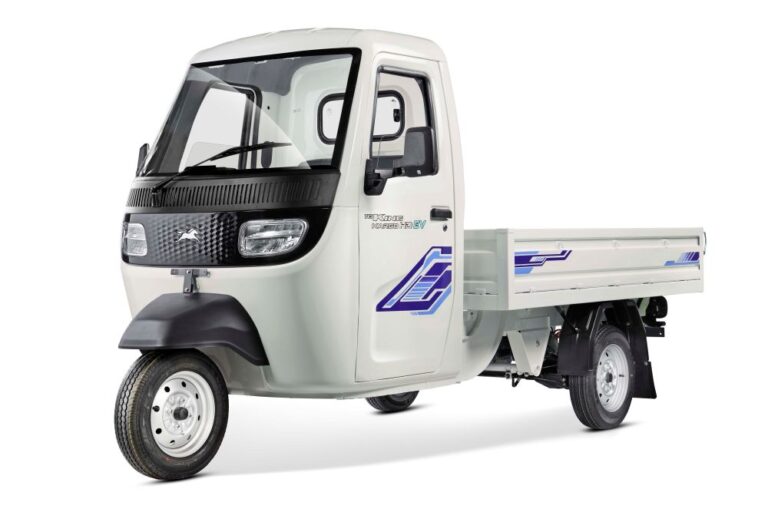
On the other hand, TVS Motor Company emerged as one of the biggest growth stories, albeit from a low base, with volumes surging to 27,831 units (1,696) with a significant 15-fold growth. This signals a strong entry and rapid scale-up in the segment.
Zeniak Innovation and Hooghly Motors also posted strong double- and triple-digit growth, highlighting the rising influence of regional and emerging players. Aahana Commerce stood out with a 179% increase, further adding to the competitive intensity.
Terra Motors and J.S. Auto reported steady growth, while players like Energy Electric Vehicles and Unique International EV saw moderate declines, suggesting a mixed performance across mid-tier manufacturers.
The “Others” category continues to account for a significant share of volumes at over 4.2 lakh units, growing 9.4%, which highlights the highly fragmented nature of this segment.
Overall, India’s electric three-wheeler market is no longer just about early adoption—it is now about scale, competition and consolidation. While leaders like Mahindra continue to dominate, strong gains by Bajaj, TVS and several emerging players are reshaping the competitive landscape.
The key takeaway is that the E3W segment is the most mature EV segment in India, but it is also becoming one of the most dynamic, with competition intensifying as players race to capture the next phase of growth.