Behind this strong growth, each OEM is charting its own course, with distinct strategies and varying levels of success.
India’s electric passenger vehicle (EV PV) market has entered a decisive growth phase in FY26, with retail volumes rising sharply to nearly 2 lakh units—an impressive 83.6% year-on-year increase. At the same time, EV penetration in the passenger vehicle segment has grown from 2.6% in FY24 to 4.2% in FY25, signalling a steady shift towards electrification.
But beneath this robust performance lies the efforts and aspirations of each OEM that is carving its own path, with varying levels of success and strategy.
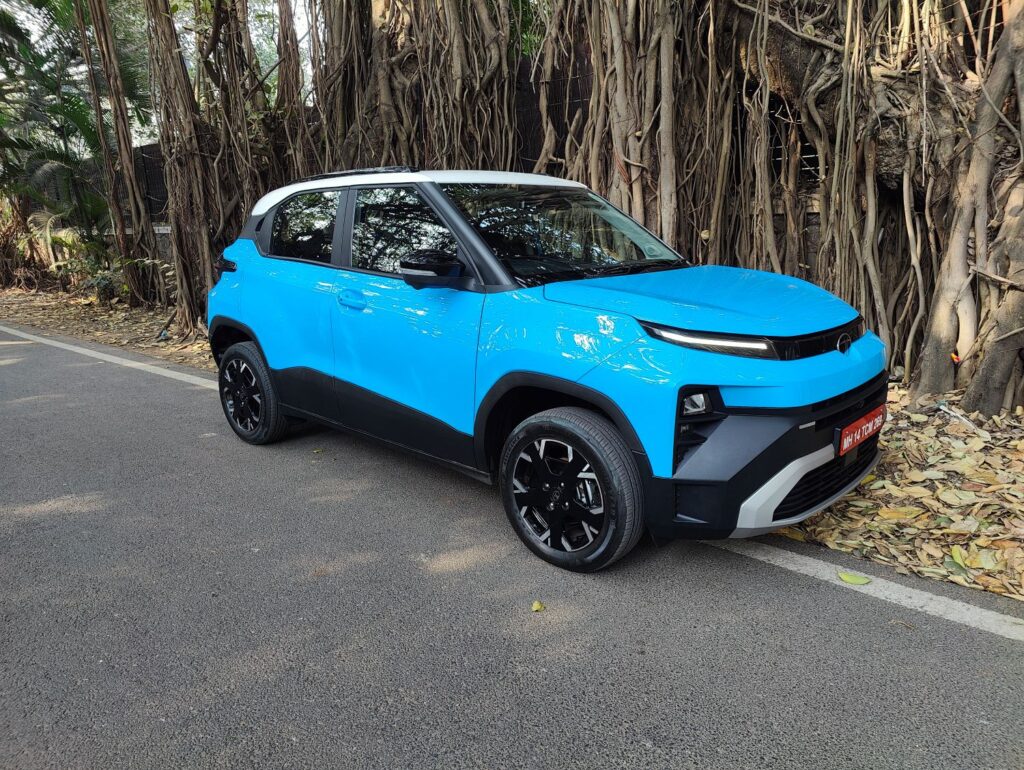
At the top, Tata Motors Passenger Vehicles continues to lead the EV race, retailing 78,811 units (57,994) in FY26 and posting 35.9% growth. The company’s strength lies in its early-mover advantage, wide portfolio and strong ecosystem, which continue to anchor its leadership despite intensifying competition.
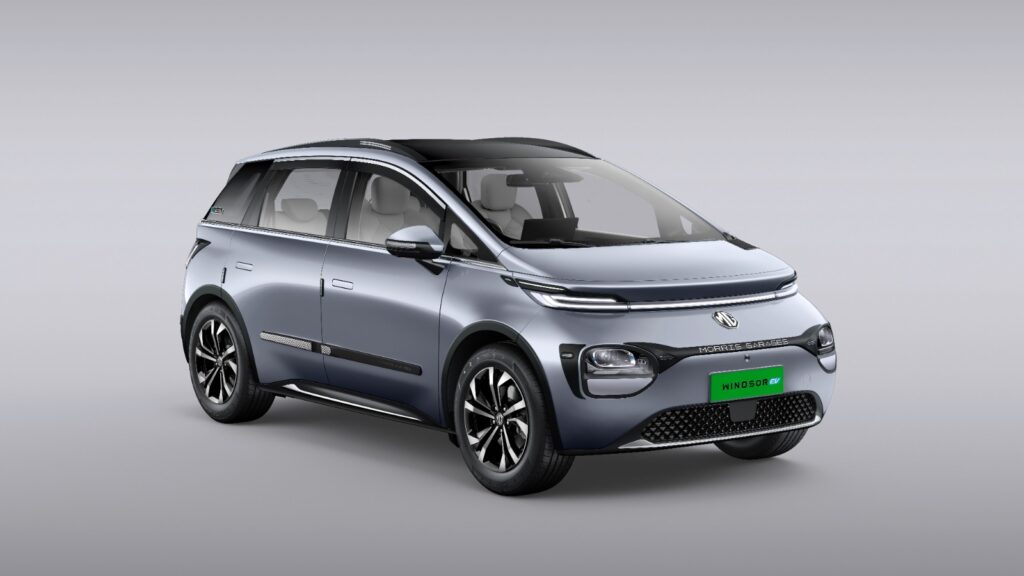
JSW MG Motor India has emerged as a strong challenger, recording 53,089 units (30,569) with a sharp 73.7% growth. Its focused EV portfolio and aggressive positioning have helped it capture meaningful share, making it one of the fastest-scaling players in the segment.
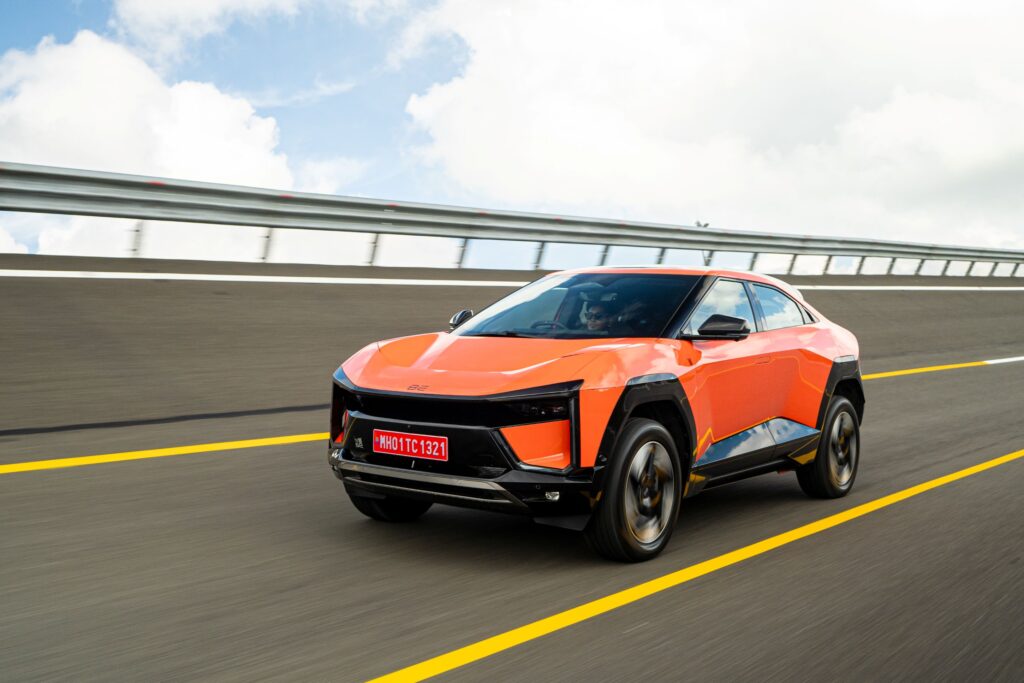
Mahindra & Mahindra stands out as the biggest disruptor this year, with EV volumes surging to 42,721 units (8,426) —a whopping 407% growth. This reflects a clear shift in its strategy, backed by new product introductions and strong market acceptance.
Hyundai Motor India and BYD India are also gaining traction, though at a more measured pace. Hyundai clocked 5,885 units (2,477) with a strong 137.6% growth, signalling early momentum, while BYD posted 5,361 units (3,481) with a steady 54% increase, continuing to build its niche presence in the premium EV space.
Kia India, though starting from a low base, recorded the highest percentage growth at 794%, reaching 3,738 units against 418 units during the same period last year. This indicates an early but aggressive entry into the EV space, which could scale further with portfolio expansion.
In the luxury segment, BMW India delivered a healthy performance with 3,537 units (1,580) and 123.9% growth, highlighting rising demand for premium electric mobility. However, Mercedes-Benz saw a slight decline of 9.5% to 1,047 units (1,157), reflecting a more cautious or transitional phase in its EV journey.
New entrants and emerging players are also beginning to make their presence felt. VinFast debuted with 2,390 units, while Tesla India reported 342 units, marking early-stage activity in the market. Maruti Suzuki, despite its dominance in ICE vehicles, has only just entered the EV space with 1,416 units, indicating a late but potentially significant entry.
On the other hand, some OEMs faced headwinds. Stellantis saw a sharp decline of 71.4% to 576 units (2,013), while Volvo registered a marginal drop of 5.2% to 382 units (403), suggesting challenges in scaling EV volumes.
Overall, the market is clearly expanding, but the competitive landscape is becoming more dynamic. While leaders like Tata Motors continue to dominate, challengers such as MG and Mahindra are rapidly closing the gap. At the same time, global players and new entrants are beginning to test the waters, adding further complexity to the market.
The bigger takeaway is clear—India’s EV transition is no longer a future trend; it is actively unfolding. And as OEM strategies evolve, the next phase of growth will be defined not just by volumes, but by innovation, positioning and the ability to scale sustainably.